The stage is set for US‑Iran talks in Islamabad
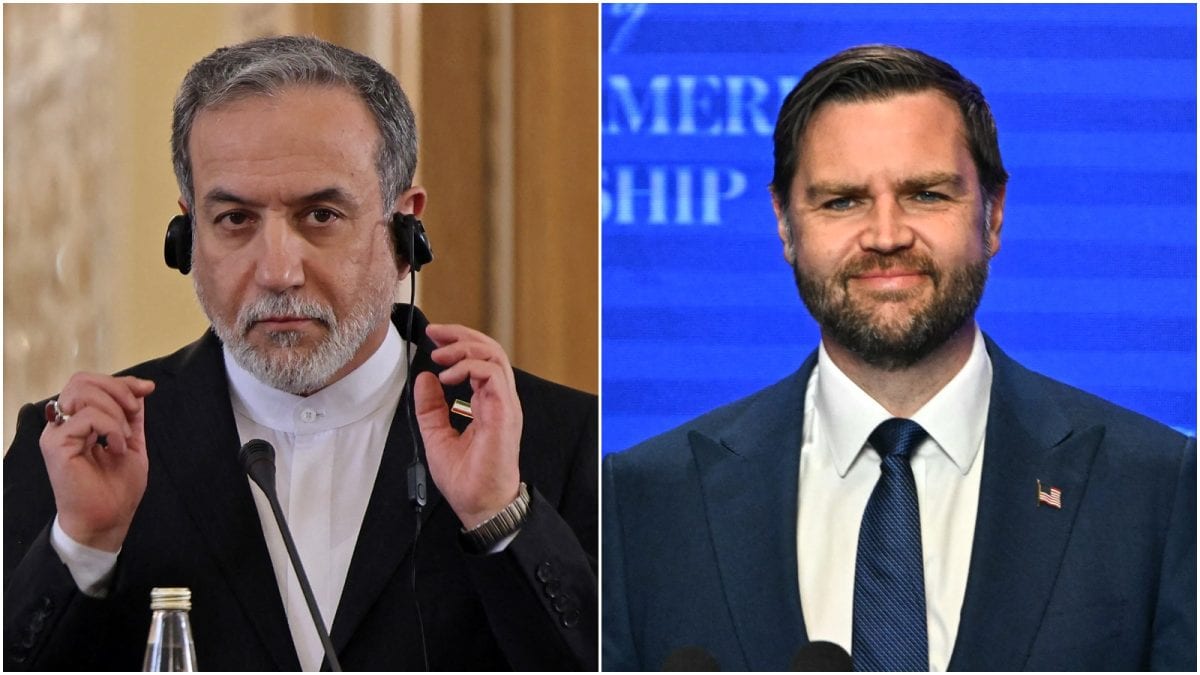
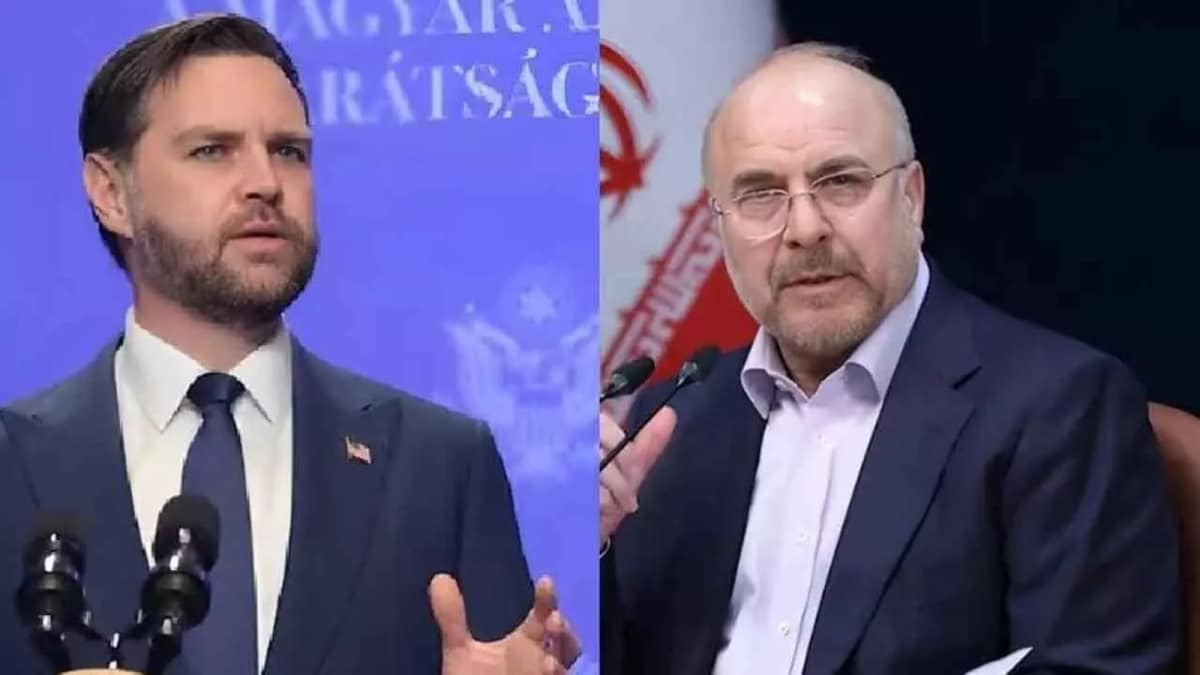
Honestly, when I first heard that Islamabad was about to become the meeting point for the United States and Iran, I had to take a moment to let it sink in. It feels like the whole of South‑Asia has been holding its breath, because this is not just another diplomatic chit‑chat; it’s possibly the biggest high‑level engagement between the two nations since the 1979 Islamic revolution. The White House has announced that Vice President JD Vance will head the American delegation, and they’ll be touching down here late on Friday night, with more members trickling in through Saturday.
From my own experience of watching news briefings over chai at the local chai‑wallah, I can tell you that the excitement is palpable. People are swapping stories about how the roads around the airport are being cleared, how the security forces are setting up extra check‑points, and even how the local vendors are prepping extra samosas for the crowds that will gather to catch a glimpse of the dignitaries.
Who’s on the US side?
The United States team is a mix of political heavyweights and seasoned diplomats. Besides JD Vance, who will act as the chief negotiator, there’s Special Envoy Steve Witkoff – a name you might have heard in other Middle‑East peace initiatives. Then there’s Jared Kushner, a senior adviser to the President, who has been around the diplomatic circuit for quite some time now.
What’s interesting, and something I noticed while reading the official brief, is that senior officials from the Pentagon will also be part of the delegation. That tells you the talks are not just about political talk‑shops; there’s a serious security dimension that both sides are keen to address.
In most cases, the US delegation will arrive in stages, which is a bit like how we get our morning tea and breakfast – first the masala chai, then the biscuits, and finally the toast. This staggered arrival is supposed to help manage logistics and allow each subgroup to prep for specific agenda items before the full team gathers.
Iran’s representatives in Islamabad
Across the runway, Iran’s team is being led by Parliament Speaker Mohammad Bagher Ghalibaf and Foreign Minister Abbas Araghchi. Both are seasoned politicians, and many of us here follow their speeches on state TV. Alongside them is Iran’s ambassador to Pakistan, Dr Reza Amiri Moghadam, who has been stationed in Islamabad for a while and knows the local nuances pretty well.
There are also a few other officials who will accompany the core team, but the three mentioned above are the key faces that the media will be focusing on. Their presence signals that Tehran is taking the talks seriously – after all, sending the Parliament Speaker is not something you do for a routine meeting.
My cousin, who works for a logistics company that deals with cross‑border shipments, mentioned that the Iranian convoy is expected to be heavily guarded, with a mix of diplomatic and security personnel. This adds another layer of complexity, especially when you consider the history of mistrust that has built up over the years.
Why Islamabad?
Pakistan stepping in as a mediator feels natural when you think about geography and cultural ties. Islamabad is roughly halfway between Tehran and Washington, and historically, our country has tried to play the role of a peace‑builder in the region. Prime Minister Shehbaz Sharif has publicly extended an invitation to both sides, saying that Pakistan wishes to see a sustainable resolution to the conflict.
He posted a heartfelt message on social media, thanking the leadership of both countries and urging their delegations to come to Islamabad for “conclusive talks”. He also expressed hope that the “Islamabad Talks” would usher in lasting peace – a sentiment that resonated with many of us who have seen the ripple effects of war on our own neighbourhoods, from rising fuel prices to the occasional news of refugees crossing the border.
In most Indian households, when someone says “let’s meet in the middle,” it literally means halfway point. In this diplomatic sense, Islamabad is that middle ground, and the hope is that neutral ground can help both sides lower their guard and find common ground.
The background: recent cease‑fire moves
Just a short while back, the former US administration announced a tentative two‑week cease‑fire with Iran. The condition attached to that offer was that Tehran would need to ensure a “complete, immediate, and safe opening” of the Strait of Hormuz. That waterway is vital for oil shipments, and any blockage there can cause oil prices to spike – something we all notice at the petrol pump.
Even though the cease‑fire plan was announced by a previous administration, the current US team is now picking up where that left off. The fact that the talks are happening under Pakistan’s watchful eye adds a layer of credibility, at least in the eyes of many analysts I’ve read in the business daily.
For most of us, the practical outcome we care about is safer seas and stable oil prices, but policymakers are also trying to prevent a larger regional war that could involve many more countries, including our own neighbours.
What could be at stake?
If the talks go well, we could see a permanent cease‑fire, the reopening of the Strait of Hormuz, and maybe even a roadmap for normalising relations between the US and Iran. That would be a massive win, not just for the two countries, but for the whole of South‑Asia, where trade routes are heavily dependent on stable maritime channels.
On the flip side, if negotiations stumble, the conflict could quickly spiral back into full‑blown war, which would affect not only the military but also the ordinary folks who already feel the pinch of higher fuel costs, disrupted trade, and the ever‑present fear of instability.
From my own viewpoint, living in a city where the power cuts have become somewhat routine, any escalation that affects power generation – often linked to oil – is a direct threat to daily life. That’s why many of my neighbours are keeping an eye on these talks like they would a cricket match.
What the media and locals are saying
Local newspapers have been running headlines about the “historic meeting”, and you’ll hear radio jockeys mentioning the arrivals during their morning drive‑time slots. I overheard a group of teenage students debating whether the US delegation would wear suits or something more casual, which shows how even the younger generation is curious about the diplomatic etiquette.
On social media, you’ll see a mix of optimism and skepticism. Some users are posting pictures of the airport runway with captions like “Ready for peace”. Others are posting memes that joke about the long queue for the tea stalls that will likely spring up near the delegation hotels.
In most cases, the sentiment is hopeful – after all, Pakistan has hosted several mediation efforts in the past, and many people still have faith that our country can be a bridge for peace.
Personal reflections on diplomatic talks
Having watched many political dramas on television, I always thought that peace talks were something that happened far away, in grand conference rooms with interpreters and a lot of formalities. Seeing the reality of it – the convoy of cars, the security details, the hurried briefings in hotel rooms – makes it feel more human, more tangible.
It also reminds me of the times when my own family would travel to another state for a wedding; there’s the same mix of excitement, nervousness, and a hope that everything will go smoothly. In the same way, both delegations hope that their journey here ends with a positive outcome, not just for their own nations but for the broader region.
Honestly, I’m not an expert on Middle‑East geopolitics, but I do know that the simple wish for peace is something everyone can relate to – whether you’re a farmer in Punjab, a shopkeeper in Delhi, or a student in Karachi.
Looking ahead: what could happen after the talks?
Assuming the delegations find some common ground, the next steps would likely involve drafting a formal aGreement, perhaps a renewed cease‑fire schedule, and measures to ensure the safe passage of commercial vessels through the Strait of Hormuz. There might also be a call for confidence‑building measures, such as limited humanitarian exchanges and joint monitoring mechanisms.
If the talks end without a clear aGreement, there will probably be a series of follow‑up meetings, maybe in neutral locations like Geneva or Doha, to keep the dialogue alive. In any case, the fact that both sides chose to sit down in Islamabad shows a willingness to at least keep the channels of communication open.
From my side of the fence, I’ll be watching the news updates, sipping my tea, and hoping that the outcome brings a little more stability to our daily lives. After all, a world with fewer wars means better prices at the market, smoother travel for families, and perhaps a few more smiles on the streets.