Why the Padma Awards matter to all of us
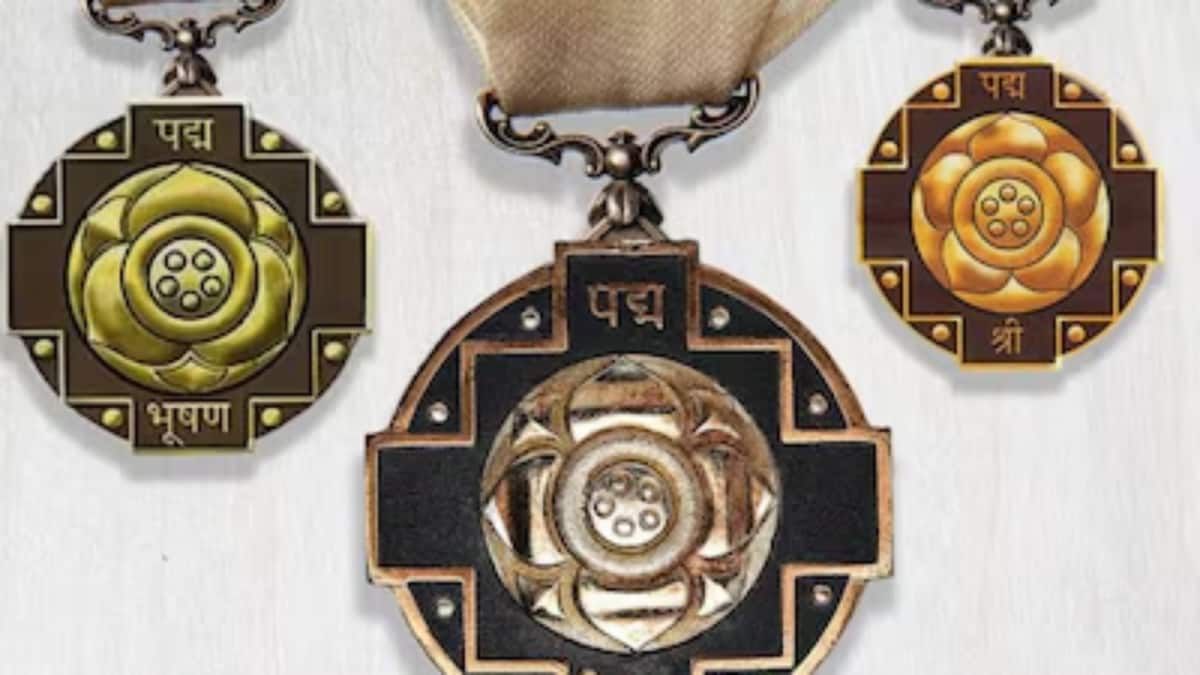
Honestly, whenever the government announces the Padma list, my family gathers around the TV, and we all start speculating who might have made it. The Padma Awards—whether it’s the Padma Vibhushan, Padma Bhushan or Padma Shri—are not just fancy medals. They are one of the highest civilian honours that the nation bestows on people who have done something extraordinary. It’s a bit like when a school gives the ‘Best Student’ award, but on a massive, nation‑wide scale.
What I love most about these awards is that they cut across all walks of life. You’ll see scientists, artists, social workers, writers, even sports personalities. In most cases, the idea is to celebrate those who have made a real difference in society, sometimes in ways that don’t get a lot of media coverage. For many of us, it’s a reminder that doing good work, even in a small town or a remote village, can get recognised at the highest level.
Women stepping into the spotlight
Over the years, you could see a gradual rise in the number of women being honoured. A decade ago, it felt like a handful of names each year, but now it’s becoming normal to see dozens. In the 2024‑25 batch, there are ten women who have been awarded. This shows that more and more women are breaking barriers, whether they are painting vivid canvases, leading grassroots NGOs, or pioneering scientific research.
Actually, the presence of women awardees sends a powerful message to the younger generation. Kids in my neighbourhood in Coimbatore, for instance, now talk about these women as role models, just as they talk about popular cricketers. It’s like when you see a girl in your class being praised for her maths scores; it makes everyone think ‘hey, I can do that too.’ The Padma recognitions are doing the same thing on a national stage.
Spotlight on Anushka Vats
One name that kept popping up in conversations at my aunt’s tea stall was Anushka Vats. She’s a social worker from a small town in Uttar Pradesh, but what she does is anything but small. Anushka has been running a community kitchen for over a decade, feeding the under‑privileged families that line the streets of her town. Her approach is simple: she trains local women to cook and manage the kitchen, turning it into both a source of nutrition and a livelihood generator.
When I visited her kitchen last month, I could smell the fresh rotis and see the smiles on the women who had learned a skill they never thought they’d have. Anushka told me, "We don’t just give food; we give hope." That line stuck with me because it captures the essence of why the Padma is given—recognising the ripple effect of a single person’s dedication.
In my own life, I see parallels in the way my mother helps neighbours with homemade pickles. It’s not a grand gesture, but it builds community ties. Anushka’s work is on a larger scale, yet the core idea is the same: serve with love, and the community thrives.
Celebrating Shobana Chandrakumar
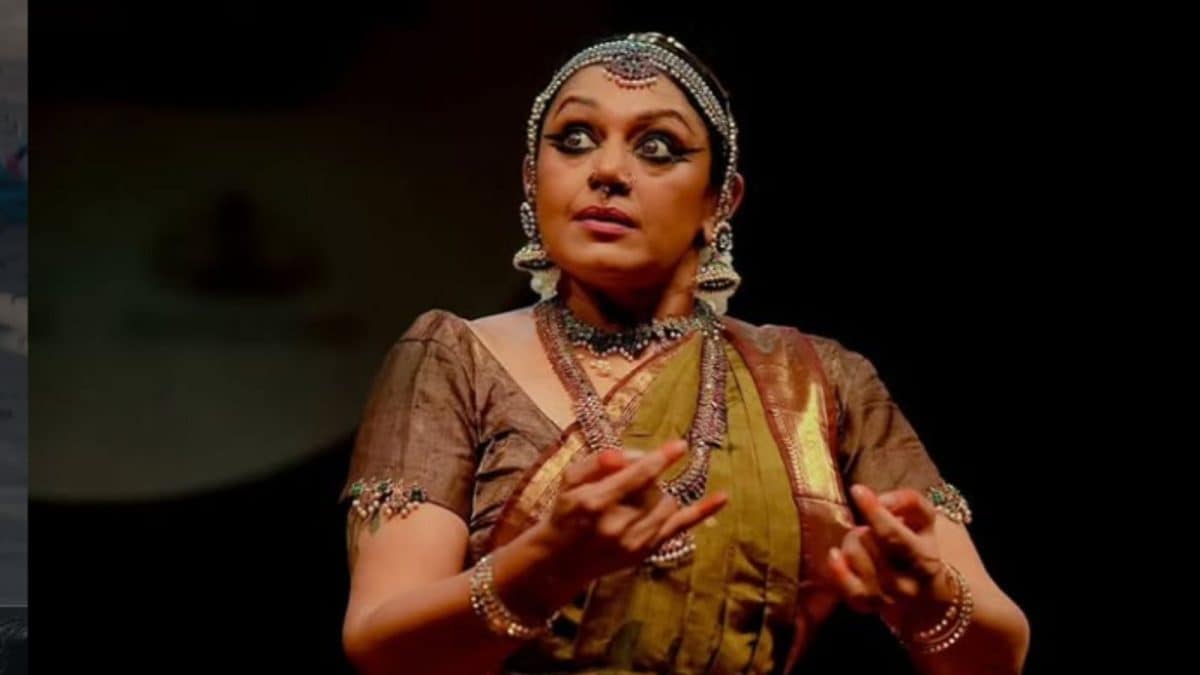
Another inspirational figure is Shobana Chandrakumar. If you’ve ever walked through the art galleries in Chennai, you might have seen her vibrant paintings that fuse traditional Indian motifs with contemporary styles. Shobana’s work has not only earned her critical acclaim but also a Padma award, which she humbly accepted with a short speech about preserving cultural heritage.
What makes Shobana’s story fascinating is that she started painting on the walls of her school’s courtyard because there were no art supplies. She used whatever she could find—chalk, coloured pencils, even old newspaper ink. Over time, her talent caught the eye of a local art teacher who encouraged her to apply for a scholarship. Fast forward a few years, and here she is, with her artwork displayed internationally and now being honoured by the nation.
I remember the first time I saw one of her canvases at a local exhibition. The colours were so bold that they felt like a festival on the wall. It reminded me of the rangoli we draw during Diwali, where each pattern is a celebration of colour and tradition. Shobana’s paintings do the same—celebrate India’s diverse heritage while speaking a modern language.
What the ten women represent
While Anushka Vats and Shobana Chandrakumar are the two names we have direct information about, the other eight women in the 2024‑25 Padma list each bring a unique flavor to the tapestry of Indian excellence. In most cases, these awards cover fields like literature, science, public affairs, and sports. Together, they illustrate a broader narrative: Indian women are not just participants; they are leaders, innovators, and changemakers.
For instance, think about a woman scientist from a remote lab in Assam who works on climate‑resilient crops. Or a writer from Kolkata who weaves stories that capture the nuances of urban life. Even if we don’t name them here, the fact that ten women have been recognised this year signals a shift in societal attitudes—a shift I notice in everyday conversations, whether it’s at my office or during a bus ride across Delhi.
In many families, you still find the ‘boys first’ mindset when it comes to education. Yet, the Padma recognitions subtly challenge that notion. They say, *look, these women have achieved so much, and they’re being praised at the highest level.* It’s such a subtle but powerful nudge towards gender equality.
How the awards inspire everyday actions
Let me share a small anecdote. Last week, my cousin Ravi, who is studying engineering in Pune, told me he wants to start a solar‑power project for his village after graduation. He said he was motivated after reading about a female Padma awardee who developed affordable solar panels for rural households. Even though he didn’t know all the details, the mere fact that a woman achieved that milestone gave him the confidence to think big.
Similarly, my neighbour’s daughter, who is in 10th grade, started a book‑club after seeing a Padma‑honoured writer talk about the importance of reading in a local TV interview. These ripple effects are exactly what the Padma Awards aim to create—recognition that goes beyond the individual and fuels collective progress.
In most cases, when we celebrate these achievements, we also celebrate the countless unnamed people who supported them—family members, mentors, local communities. The awards are like a spotlight that also shines on the background, highlighting the ecosystem that nurtures talent.
Concluding thoughts
All in all, the Padma awards for 2024‑25 have given us ten inspiring women to talk about—some names we know, some we’ll learn about soon. Whether they’re feeding the hungry like Anushka Vats, painting the nation’s soul like Shobana Chandrakumar, or excelling in fields we haven’t yet listed, their stories remind us that greatness can come from any corner of India.
Next time you hear about a new Padma awardee on the news, try to think of the everyday impact their work might have on someone you know—a student, a shopkeeper, or even a child playing cricket in the lane. And if you ever feel that your own small actions don’t matter, remember these women: they started small, stayed persistent, and now their names sit alongside the nation’s most honoured citizens.
So, over a cup of chai, let’s keep discussing, sharing, and celebrating these trailblazers. After all, every story we share adds another thread to the fabric of our shared Indian heritage.