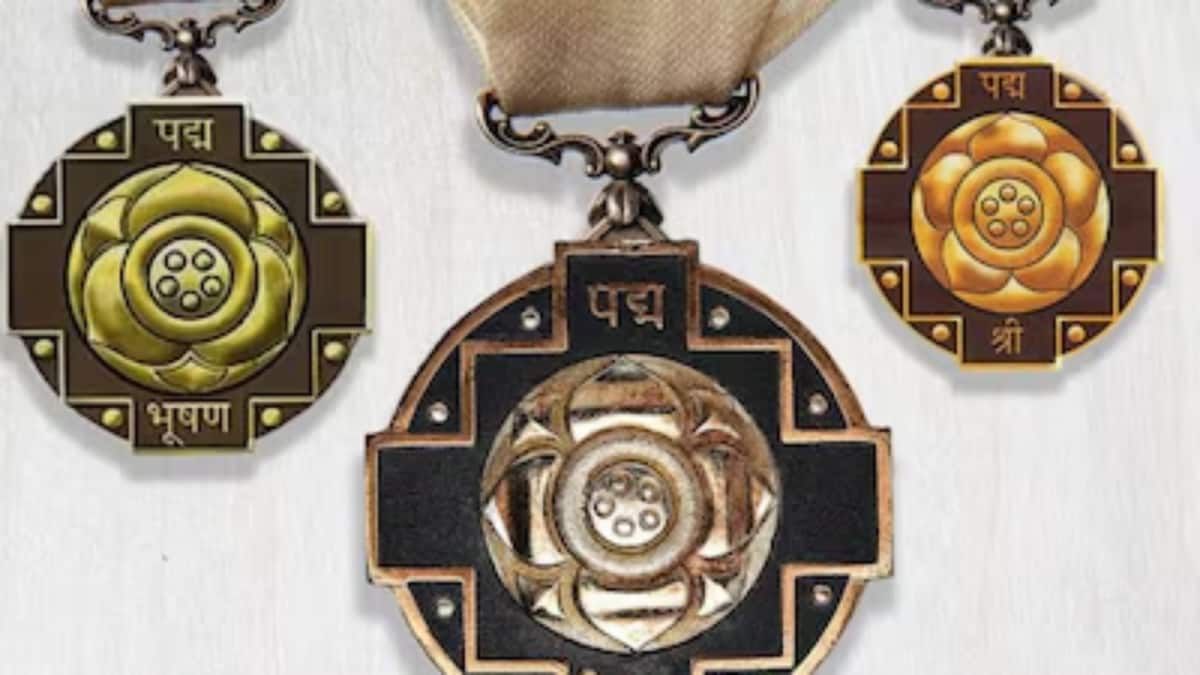
The Padma Awards turned into a women‑focused celebration, and I could feel the vibe right away
So, the other day I was sitting with my chai at a small tea stall in Chennai, and the news on the TV was all about the Padma list for 2024 and 2025. I started noticing something – there were way more women names than I usually see. It felt like the government was deliberately putting women front‑and‑centre, almost like a gentle nudge. You know how we sometimes hear politicians say “Nari Shakti” in speeches? Well, this time the numbers themselves were shouting it.
A colourful tapestry of 2024‑2025 awardees
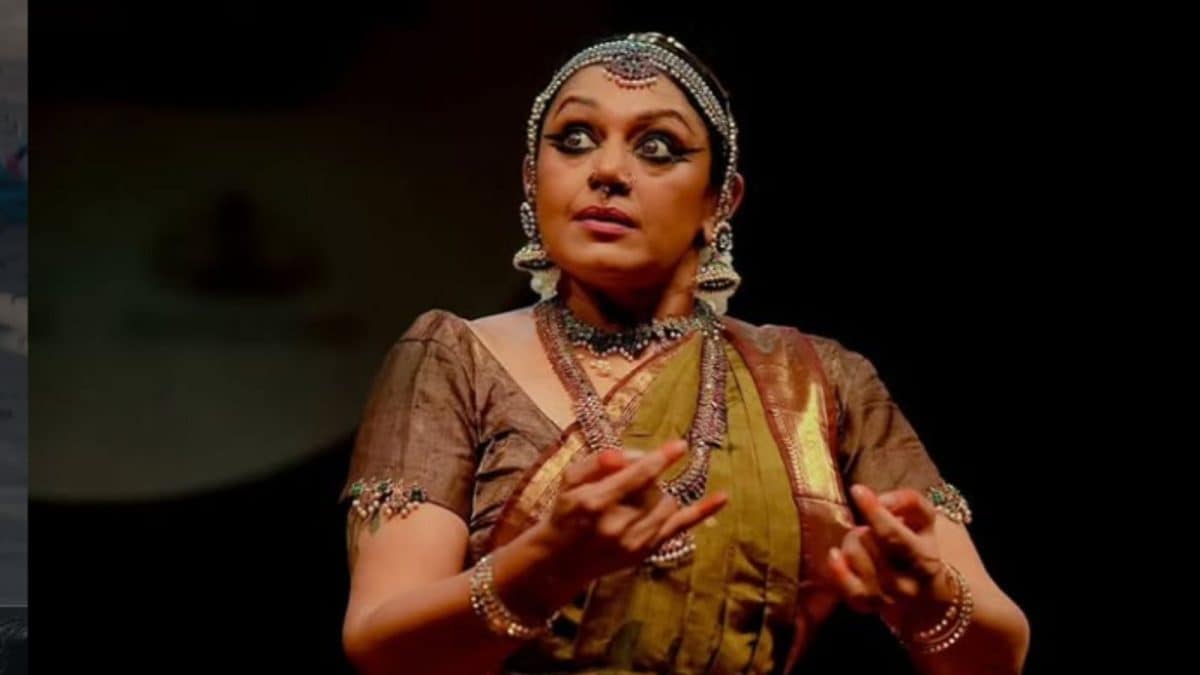
Let me tell you about a few names that really stuck with me. In 2024, the Padma Vibhushan went to the iconic dancer Vyjayantimala Bali and the brilliant Padma Subrahmanyam. Both of them have been moving audiences with classical art for decades, and seeing them finally get the highest civilian honour felt like a long‑awaited pat on the back for the whole dance community. Then there was the posthumous honour for Justice M Fathima Beevi – the first woman ever to sit on India’s Supreme Court. I remember watching a documentary about her when I was in college; she broke glass ceilings back when even talking about women judges was rare. The fact that the government chose to remember her now says a lot about the direction they want to take.
Come 2025, the tradition continued. The late Kumudini Lakhia, a Kathak exponent, received the Padma Vibhushan, and the folk voice of Sharda Sinha was also recognised. Both of them are legends in their own right but tend to be celebrated by niche audiences. Their inclusion made it clear that the government is not just looking at big‑city celebrities, but also at those who keep the cultural soul of India alive in villages and small towns.
Diving into different fields – it’s not just arts
One thing that surprised me while scrolling through the list at home was the sheer variety of professions represented. For instance, the business world had heavyweights like Kalpana Morparia, who has been steering major banking decisions, and Shashi Soni, a name many of us may only recognise from defence manufacturing news. Even Arundhati Bhattacharya, who led one of the biggest public sector banks, made the list. It feels like the government wants to send a message that women are now at the helm of India’s economic engine, not just in mythic stories.
In the medical field, you’ll find Dr G Natchiar, an ophthalmology pioneer, Dr Neerja Bhatla, who has saved countless lives in gynaecology, and Dr Soniya Nityanand, a haematology expert. As a kid I used to get my vaccinations at a government hospital in Delhi, and seeing these women’s names on a national honour list makes me proud – they are literally the ones keeping us healthy.
Grassroots heroes – from forests to elephant camps
What truly made my heart swell was reading about people like Chami Murmu, who has been planting trees in Jharkhand for years. She’s a tribal activist, and her afforestation work is something we often hear about in the news during World Environment Day. Yet, here she is, getting a Padma award. And then there’s Parbati Barua, who became India’s first female elephant mahout. Imagine handling a massive beast like an elephant, and doing it with such finesse that the whole world notices.
These stories remind me of my own aunt, a school teacher in a remote village of Uttar Pradesh, who never gets media attention but works tirelessly every day. The Padma list reaching people like her makes the awards feel more like a celebration of everyday India, not just the glitter of Bollywood.
Culture, crafts and sports – keeping traditions alive
When I looked at the Padma Shri recipients, I saw names like Naseem Bano, who preserves Chikankari embroidery, and Smriti Rekha Chakma, a master of traditional Loinloom weaving. There’s also Takdira Begam, keeping the art of Kantha quilting alive. In my hometown of Kolkata, my mother still buys Chikankari dupattas for festivals – now I know there’s a Padma award behind that craft.
Sports also got a fair share of love. Joshna Chinappa, the squash champion who made waves internationally, was honoured, as was archery coach Purnima Mahato. As a cricket fan, I never thought I’d be talking about squash and archery in the same breath, but the awards are making me explore new avenues of Indian excellence.
India’s soft power – women as ambassadors abroad
Another interesting angle is how the Padma awards are being used to showcase Indian culture overseas. The list includes Charlotte Chopin from France, who spreads yoga across Europe, and HE Shka Shaikha Ali Jaber Al‑Sabah from Kuwait, also a yoga ambassador. It’s like the government is saying, “Look, our women are the carriers of ancient wisdom globally.” I remember a friend in Dubai who attended a yoga workshop by one of these ambassadors; she came back raving about the Indian vibe she felt there.
From honouring women to reserving seats – is this the first sign?
Now, here’s where the plot thickens. The list deliberately includes women from every corner of the country – you have awardees from the Andaman & Nicobar Islands, from remote Arunachal Pradesh, and even a Nepali literature specialist like Gita Upadhyay and an Odia poet, Prativa Satpathy. By covering such diverse castes, regions and languages, the government is building a strong case for the Women’s Reservation Bill, which aims for a 33 % quota for women in Parliament.
In my own experience, when I travel by train from Delhi to the north-east, I see women vendors, teachers, and small‑business owners who keep the country moving. Seeing their names on the Padma list feels like an official acknowledgement of the very same women I meet on the platform every day. It tells me that the push for 33 % reservation is not a sudden political flip‑flop but the result of a decade‑long narrative, slowly woven into the nation’s consciousness.
What this means for the road ahead
Honestly, I think the Padma lists of 2024 and 2025 are more than just awards. They are a quiet, atmospheric indicator that the Modi government is serious about turning “Nari Shakti” from a slogan into a lived reality. The fact that the list is layered with women from banking, defence, science, grassroots activism, art and international outreach paints a picture of a nation that finally recognises women’s contribution at all levels.
If you ask me, the next logical step is to see those numbers reflected in Parliament and state assemblies. The Women’s Reservation Bill has been in the pipeline for years, but now there’s enough momentum – public, cultural and political – to make it happen. And as an everyday citizen, I feel a mix of excitement and cautious optimism. Because if the Padma awards can bring women from hidden villages into the national spotlight, perhaps the same will happen in the legislative halls.
So, next time you hear someone talk about “women’s reservation,” remember the names – Vyjayantimala, Kalpana, Chami, Joshna – and think of the countless unsung women across the country who are waiting for their turn to shape laws and policies.
Kerala Elections Assam Elections Puducherry Elections Kerala Voter Turnout Assam Voter Turnout Puducherry Voter Turnout