A Personal Look at the Polls
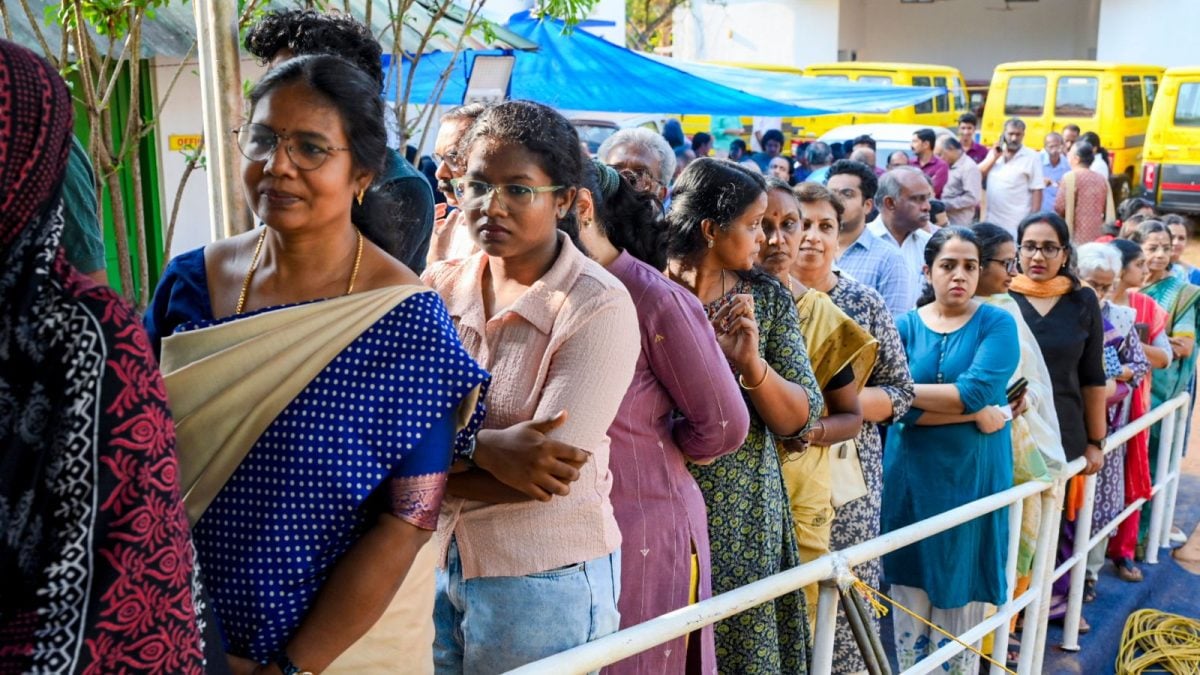
I’ve been watching Kerala’s political drama for as long as I can remember – from the buzz in my aunt’s kitchen in Kochi to the heated debates at the local tea stall in Kozhikode. This time, after the voting wrapped up, the atmosphere felt different, almost like the whole state was holding its breath. The official numbers say the overall turnout settled at 77.45%, which is pretty solid by our standards, but what caught my eye was how the minority vote – roughly 47% of the total electorate – seemed to be moving in new directions. It reminded me of the old saying, “the devil is in the details”, because those tiny shifts can decide which coalition finally gets to form the government.
When I walked through the streets of Malappuram after the polling, I could hear a lot of chatter about the UDF’s recent promises. Young men in their twenties were discussing how the UDF seemed more “in touch” with community issues, while older folks still trusted the LDF’s welfare schemes. It was a classic case of generational divide blended with community politics, and I could see how that might tilt the balance in the northern districts.
Muslim Voters in Malabar: Changing Colours
Now, the biggest surprise for me was the drift of Muslim voters in the Malabar region. Back in the 2021 elections, the LDF had what many called a “muslim bulk” – the community felt the Left was the best shield against any national anti‑minority rhetoric. But this time, there’s a noticeable crack in that wall. Local analysts, whom I often hear on the All India Radio, say the LDF’s silence on some controversial statements made by community leaders, like the SNDP’s Vellappally Natesan, left a lot of people feeling... ignored.
What’s more, groups that were traditionally neutral, such as Jamaat‑e‑Islami, openly pledged support to the UDF. Even though the Indian Union Muslim League (IUML) still dominates the political landscape there, the extra backing given to the UDF created a buzz that was hard to miss. I recall a neighbour in Kozhikode saying, “the UDF finally spoke our language, they listened.” That sentiment, simple as it sounds, shows how the LDF may have lost some goodwill.
In my own experience, the shift is not just about party symbols; it’s about feeling represented. When you walk into a polling booth in Malappuram and see volunteers from the UDF handing out pamphlets that directly address local grievances – like water supply issues in a specific village – you feel a certain pull. Those small, grassroots “last‑mile” efforts could be the reason why the UDF started picking up extra points in places that were once LDF safe‑holds.
Women’s Turnout – The Unsung Force
Another piece of the puzzle that many miss is the role of women voters. In the Malappuram stronghold, early reports suggested a surge in female turnout, crossing the 81% mark – a figure higher than any recent local poll I’ve seen. It reminded me of the women’s rallies we saw during the 2020 local body elections, where mothers and grandmothers marched together, demanding better healthcare and education.
What’s interesting is that historically, higher women’s participation in these northern districts has tended to favour the UDF. I think part of it is that the UDF’s campaign messages on women’s safety and empowerment resonated more during the last weeks of the election. I spoke to a lady in her thirties in Malappuram who said, “I’m voting for the party that promises schools for my kids and better hospitals for my mother.” It’s a simple, everyday concern, but when you add up thousands of such voices, it becomes a powerful force.
From where I stand, this gender factor could be a decisive element in the overall outcome. The LDF’s welfare record is strong, but if the opposition can harness the energy of women voters who feel a bit left out, they could swing close contests in their favour.
Christian Vote – A Patchwork
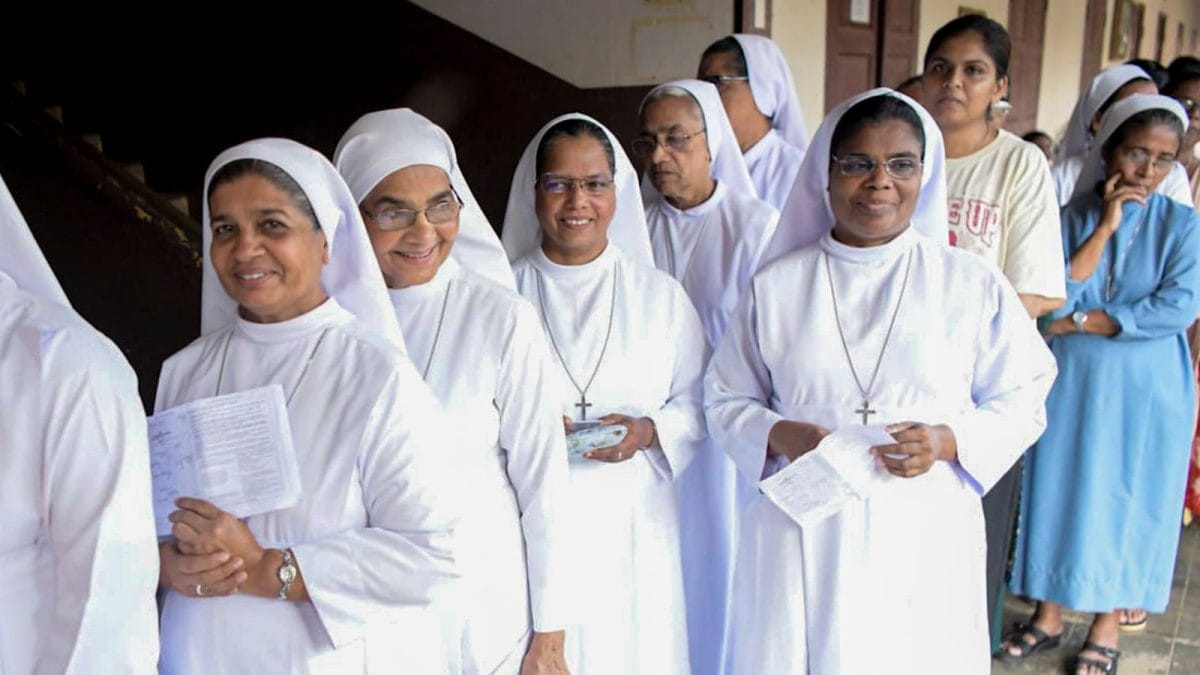
Heading down south, the Christian electorate tells a different story. In Central and South Kerala, the community that once voted almost like a single block for the UDF is now fragmented. The old Jacobite‑Orthodox split within the Malankara Church continues to shape voting patterns, especially in constituencies like Kottayam where the two factions have deep roots.
Even though the LDF has tried to act as a mediator, offering to resolve long‑standing disputes, the UDF has been quick to remind voters of its own historical support for the churches. I remember a conversation with a priest in a small town near Pathanamthitta who said, “we’re still watching who will keep their promises about church lands and school management.” That moment captured how political loyalties are still intertwined with ecclesiastical matters.
Adding to this, newer Christian groups – the Pentecostals and the so‑called Neo‑Christian communities – are emerging as a distinct force. These groups seem more attracted to the Left’s social security schemes, especially the promises of subsidised healthcare for the elderly. A friend of mine, who belongs to a Pentecostal congregation, mentioned that “the LDF’s welfare promises feel more real to us than the usual political rhetoric”. So while the traditional UDF base may be eroding a little, the Left is gaining a foothold among these newer sections.
NDA’s Role as a Third Player
Then there’s the BJP‑led NDA, which has been trying to position itself as the “third force”. Their strategy has focused heavily on the Christian heartlands of Kottayam and Pathanamthitta. By running targeted campaigns – door‑to‑door visits, localized rallies, and a series of promises about job creation – they have turned several seats into genuine three‑way battles.
Even a marginal shift of just three to five percent of minority votes towards the NDA in these “marginal” seats could be enough to spoil the UDF’s chances. In a conversation with a shop owner in Kottayam, he confessed that “the NDA’s promises of a new industrial hub excited many youngsters, but I’m still unsure about the bigger picture”. This ambivalence could be a surprise factor that the LDF might unintentionally benefit from, because a split opposition often translates into a win for the incumbent.
So, while the NDA’s presence adds complexity, it could also act as a safety net for the LDF, provided the anti‑incumbency sentiment does not become too strong across the board.
Welfare vs Narrative – What Voters See
The final showdown is essentially a test between two narratives. The LDF is banking on its welfare‑focused “progress report”, proudly claiming a 97% completion rate of its 2021 promises – a figure that the government has highlighted in every rally and advertisement. Things like the increased pension scheme, free education up to higher secondary, and better rural road connectivity are the kind of tangible benefits that many voters, especially in the countryside, can point to.
On the other hand, the opposition – mainly the UDF, with a dash of NDA support – is pushing a more concentrated political narrative, accusing the Left of being complacent and ignoring community‑specific concerns. Their messages revolve around “change”, “representation”, and a promise to address issues the LDF allegedly overlooked, like the earlier mentioned community leader remarks and local infrastructure gaps.
When I asked a few people in a mixed‑community neighbourhood in Thrissur about what mattered most, the answers were diverse: some praised the LDF’s welfare schemes, others felt the need for a fresh voice that would listen more closely. It’s this nuanced mix that will ultimately decide which coalition can claim the mandate.
What It All Means for Kerala’s Future
Looking at the bigger picture, these voting trends underscore how thin the margins are in Kerala politics. A handful of percentage points moving from one coalition to another can flip several seats. If the UDF’s consolidation of the Malabar Muslim vote is strong enough, it could offset the fragmented Christian vote in the south. Conversely, if the LDF manages to hold onto enough of the welfare‑driven base and benefit from a split opposition, they might retain power despite the anti‑incumbency whispers.
Personally, I feel the state is at a crossroads where community identity, gender participation, and welfare expectations intersect. The next few weeks, when the final count is announced, will reveal whether these minor shifts among minority groups become the decisive factor or whether the traditional party loyalties still dominate.
One thing is clear – Kerala’s political landscape continues to be as vibrant and complex as its backwaters. No matter how the numbers fall, the conversations in living rooms, tea stalls, and on WhatsApp groups will keep rolling, reflecting the rich tapestry of hopes, fears, and everyday concerns that drive our democracy.
Whatever the outcome, it will be a reminder that every vote truly matters, especially when the community’s voice is as diverse as ours.