What sparked the whole fuss?
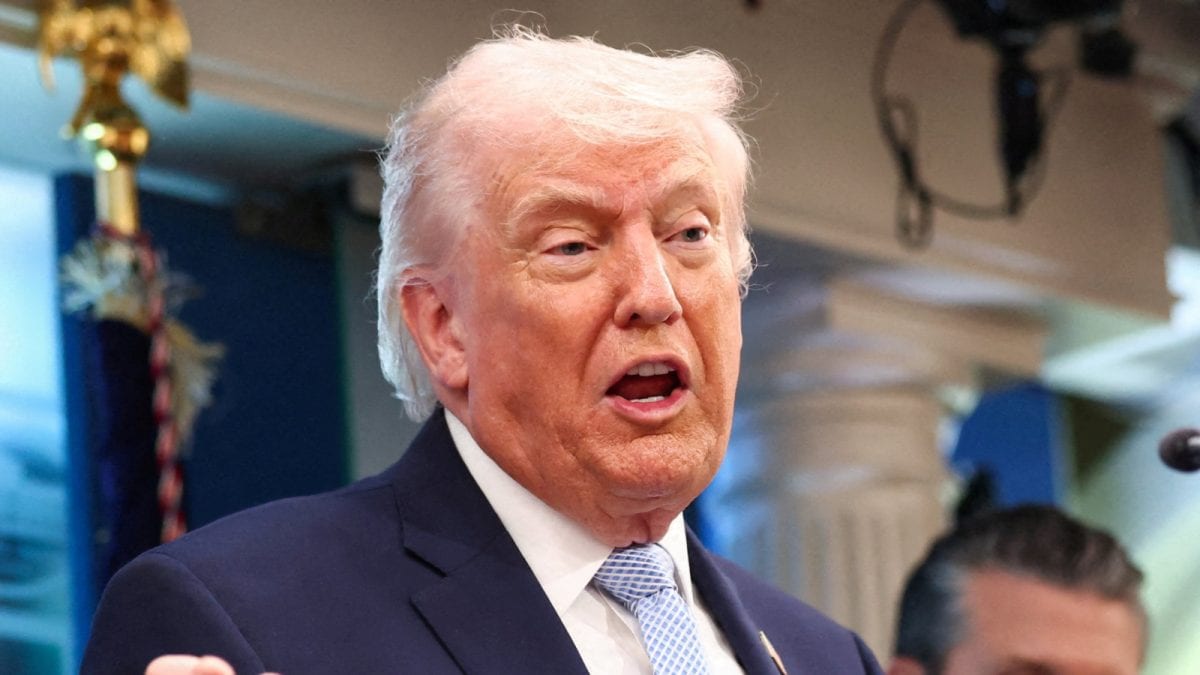
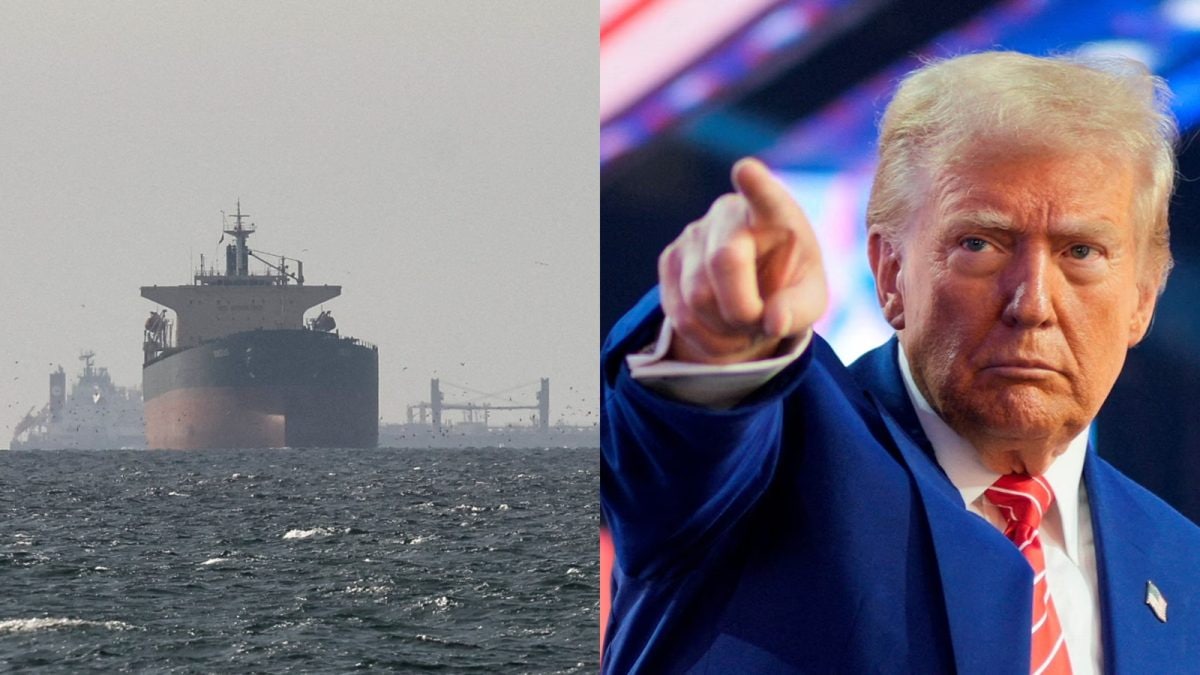
So, the other day I was scrolling through my social feeds – you know, the usual mix of cricket scores, traffic updates from Delhi, and a few political headlines – when I saw a post from United States President Donald Trump. He was warning Iran about a new idea that had just popped up in the news: a toll for every oil tanker going through the Strait of Hormuz. The thing that caught my eye was that the warning was not subtle; it was more like, "Better not be… stop now," shouted straight from his Truth Social account. Honestly, it felt like a scene from a drama we watch on TV, but this was real life and it had huge implications for oil markets, shipping routes, and even the price of petrol at my local pump.
Now, the Strait of Hormuz is that narrow waterway you often hear about in economics classes – it’s the choke point where roughly a fifth of the world’s oil squeezes through. If you’ve ever watched a news bulletin about fuel prices rising, chances are it mentioned Hormuz. So, when Tehran announced it wanted to levy a charge on all tankers passing through, you can imagine the alarm bells ringing across the globe, especially for countries heavily dependent on that oil, India included.
Iran’s plan, as explained by its own spokesperson
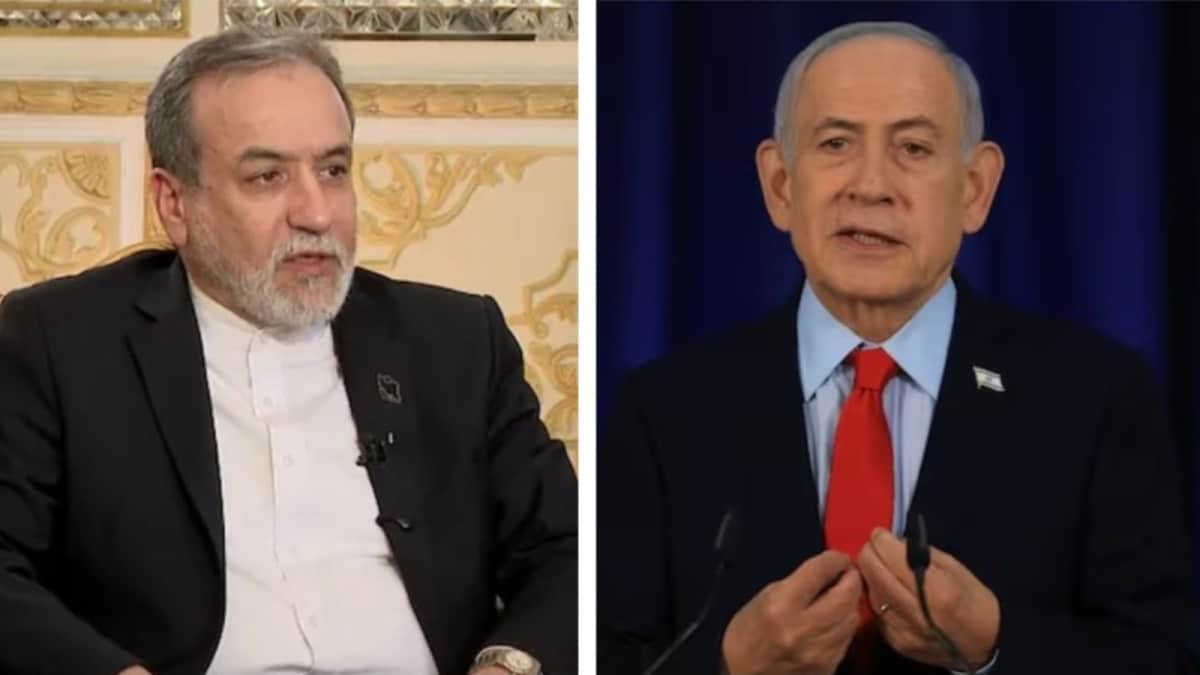
According to reports that I read in both the Financial Times and the Wall Street Journal, Tehran is planning to impose a toll during a two‑week cease‑fire period that was proposed earlier this year. Hamid Hosseini, who is the spokesperson for the Iran Oil, Gas and Petrochemical Products Exporters’ Union, told the Financial Times that the fee would be set at $1 per barrel for every tanker. The idea is that the payment would not be made in dollars – that would be too easy to track – but rather in cryptocurrency, mainly Bitcoin, or in Chinese yuan.
What struck me as oddly futuristic was the whole ‘email your cargo details and pay within seconds’ arrangement. You see, under the proposed system, a vessel would have to email Iranian authorities with full cargo information, wait for an inspection confirmation, and then, once the toll amount is calculated, make the payment instantly in Bitcoin. Hamid Hosseini even mentioned that the window for payment would be just a few seconds. It kind of reminded me of those fast‑pay QR code systems we use for buying chai at a stall – only this time, the stakes are billions of barrels of oil.
The Iran Revolutionary Guard Corps, or IRGC, seems to be backing this plan. According to the Wall Street Journal, IRGC has been broadcasting warnings to ships: if you don’t have prior approval and haven’t arranged the toll, your vessel could be targeted. That sounded a bit like a schoolyard bully warning others to stay away unless they have a ‘hall pass’, but in the high‑stakes world of maritime navigation, it’s a pretty serious threat.
Why the United States (and the rest of the world) is not happy
When United States President Donald Trump posted his warning, he basically said Iran’s toll ideas should not exist, and if they do, they should be stopped immediately. The tone was sharp, almost as if he was reminding Iran of the consequences of crossing a line which, in his view, is set by international law. In most cases, countries can charge tolls on man‑made canals like Suez or Panama, but a natural waterway like Hormuz is a different story. The United Nations Convention on the Law of the Sea (UNCLOS) guarantees the freedom of navigation through such straits, and charging a fee would break that principle.
India, being a huge oil importer, feels the heat directly. Imagine you’re loading a truck with diesel at the Mumbai port and the price per litre jumps because the tanker that brought the oil had to pay an extra $1 per barrel in a currency that’s hard to trace. The ripple effect reaches the end consumer, which means my neighbour’s tea stall might charge more for a cup of chai. That’s why the Indian shipping community and the Ministry of Shipping have been closely watching the developments, even though they are not directly mentioned in the article.
The Gulf states, especially Oman, have also spoken out. Oman, whose capital Muscat is a neighboring port city to Hormuz, outright rejected the idea of any tolls. Hamid Hosseini’s mention of a 10‑point cease‑fire proposal, which included the possibility for both Tehran and Muscat to impose fees, was rebuffed by Oman. They said, in clear terms, that no tolls can be imposed on vessels crossing the strait. That’s a firm stance, and it aligns with most maritime nations that see this as a violation of the freedom of navigation.
How the whole payment thing would work – a step‑by‑step walk‑through
Let me break it down in a way that feels familiar, like explaining a mobile money transaction to a friend back home. First, the tanker captain or the shipping company would have to send an email to the Iranian authorities listing all cargo details – type of oil, volume, destination, etc. Think of it as sending a WhatsApp message with the order details before a grocery delivery.
Next, Iranian officials would review the information – maybe they check the cargo against sanctions lists, or verify paperwork. Once they are satisfied, they would send a reply stating the exact toll amount, calculated at $1 per barrel, and instruct the ship to pay using Bitcoin or Chinese yuan. At that point, the crew would need to have a digital wallet ready, with enough cryptocurrency to cover the fee, and they must execute the transaction within a few seconds – a bit like scanning a QR code for a small payment, but under massive pressure.
If the payment is successful, the tanker would receive a clearance to pass through Hormuz. If not, the ship could be warned or even, as the IRGC messages suggested, face a risk of targeting. It’s a high‑risk, high‑technology scenario that sounds like something out of a spy thriller, but it’s being discussed in real boardrooms and on the decks of actual oil carriers.
Legal angle – why the toll is controversial
International maritime law is pretty clear about natural passages. While you can pay a charge for using a canal that a country builds – think of the Suez Canal Authority charging fees for crossing the Suez – you cannot charge for a natural waterway like Hormuz. The United Nations Convention on the Law of the Sea, which around 160 countries have signed, guarantees the right of innocent passage for all ships. Imposing a toll would be seen as a breach of that principle.
India, the United Kingdom, Japan, and many other maritime nations have historically defended this freedom. If Iran goes ahead with the toll, it could trigger legal challenges, possibly at the International Tribunal for the Law of the Sea. Moreover, the move to use cryptocurrency adds another layer of complexity – sanctions‑evading payments are a big worry for the United Nations and the United States, especially when they’re done in a way that’s hard to track.
It also raises the issue of sanctions compliance. If the payment is made in Bitcoin, it could bypass traditional banking channels that are monitored for sanction violations. That’s likely why United States President Donald Trump is so vocal about stopping the plan – it could undermine the existing sanctions regime on Iran.
What does this mean for everyday Indians?
From my perspective, sitting in a small flat in Bangalore, the whole Hormuz saga feels far away, yet its impact touches our daily lives. When the price of petrol goes up at the pump, a part of that rise can be traced back to supply chain hiccups in the Middle East. If tankers have to fork out extra money in crypto, those costs can end up in the form of higher diesel rates for the buses that ferry me across the city, or higher electricity bills for the factory that runs my favorite chai‑brand’s machine.
Moreover, the story throws a spotlight on how geopolitics now mixes with digital finance. We Indians have seen the surge of crypto‑friendly policies, but the notion that a sovereign state might demand rapid Bitcoin payments for a simple passage can make anyone’s head spin. It also forces shipping companies to rethink their compliance departments, perhaps hiring more tech‑savvy staff who understand blockchain, just like many firms now hire data analysts for market insights.
On a lighter note, the whole idea of an ‘oil toll’ reminded me of the toll booths we have on Indian highways. Remember how we used to grumble about paying extra for a smooth ride? Imagine if every highway in the country decided to charge a toll per litre of fuel you used on that road – that would be chaos. It’s similar, but on a global scale.
Looking ahead – possible outcomes
There are a few scenarios that could play out. First, Iran might backtrack and cancel the toll plan after facing diplomatic pressure from United States President Donald Trump, Oman, and the broader international community. In that case, things would likely return to the status quo, and the Strait would continue to operate without extra fees.
Second, Iran could push ahead, perhaps tweaking the system to accept payments in a more conventional currency, or shortening the payment window. That might reduce the immediate sanctions‑evasion concerns, but the fundamental issue of charging for a natural waterway would persist, potentially leading to legal challenges and possible naval escorts for non‑compliant ships.
Third, we might see a compromise where a multilateral body, like the International Maritime Organization, steps in to mediate a regulated fee structure that respects international law while acknowledging Iran’s desire for revenue. That would be a rare diplomatic solution, but not impossible – after all, many maritime disputes have been settled through negotiations.
Whatever the outcome, one thing is clear: the Hormuz corridor will continue to be a flashpoint for global energy security, and any change – even a tiny $1 per barrel fee – can ripple through economies, markets, and even the price you pay for a litre of petrol at your local pump.
Personal reflections – why I care
Being a frequent traveler who loves road trips across India, I’m always aware of how oil prices affect everything, from the cost of hotel stays to the price of my favourite street food. Reading about this Hormuz toll plan reminded me how interconnected our world is. A decision made in Tehran, communicated through a handful of emails and a Bitcoin transaction, can end up influencing the price of a cup of masala chai in a small village in Tamil Nadu.
It also shows how modern technology – like cryptocurrencies – is reshaping age‑old geopolitical battles. I never imagined that my casual interest in blockchain could suddenly feel relevant to oil tanker routes. That’s why stories like these matter to me; they bridge the gap between high‑level diplomatic manoeuvring and the simple reality of everyday expenses.
So, whenever you hear about a new policy in the Middle East, try to think how it might travel across oceans, through ports, onto the roads, and finally sit on the counter where you pay for your breakfast. That’s the hidden journey of a news story, and it’s fascinating to trace it – even if it means reading a long, slightly rambling article like this one.