Vladimir Putin orders a 32‑hour cease‑fire over Orthodox Easter, after Volodymyr Zelenskyy’s energy‑pause suggestion.
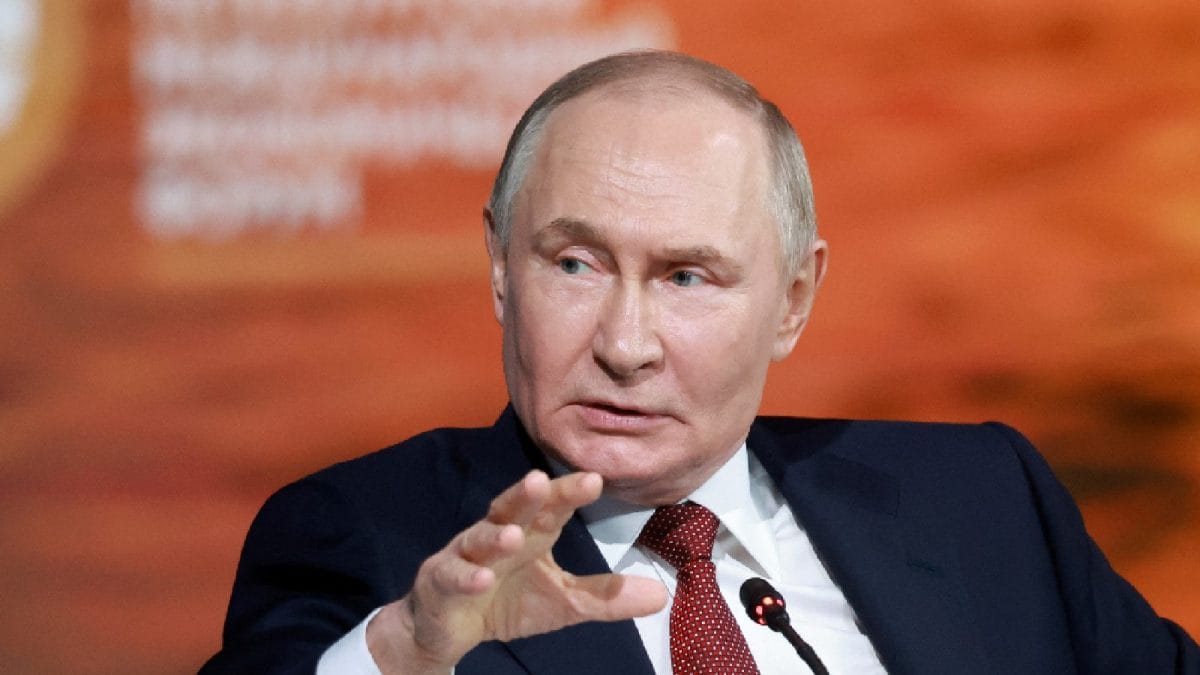
When I first saw the headline on my phone, I thought it was another meme, you know, the kind we share on WhatsApp during the weekend. But then I realised it was real – Vladimir Putin had actually declared a cease‑fire that would stretch from Saturday afternoon right through to Sunday night. The Kremlin released a short decree stating that Russian forces would stop shooting from 4 p.m. on Saturday until the day ended on Sunday, exactly aligning with the Orthodox Easter celebrations.
Honestly, the whole thing felt a bit like those moments when the power goes off for a couple of hours during a thunderstorm, and everyone just sits together, sharing stories. Except, of course, the stakes are far higher for the people living in Ukraine. Still, the idea of a pause – even if it’s just 32 hours – made me wonder how many families across the border might finally get a breath of relief, however brief.
Why the timing matters – a personal take on the Orthodox calendar
In most Indian households, Easter is not a major festival, but the Orthodox Easter is a huge event for many of my friends from the North‑East, especially those from Nagaland and Mizoram. I remember my friend Arjun explaining how the entire week before Easter is filled with church services, special foods, and a feeling of renewal. So when I read that Vladimir Putin linked his cease‑fire decision to the “approaching Orthodox feast of Easter (the Resurrection of Christ)”, I instantly connected that sentiment with the hope people feel during that period.
Vladimir Putin’s statement went something like this: “By the decision of the Supreme Commander‑in‑Chief…V.V. Putin, in connection with the approaching Orthodox feast of Easter, a cease‑fire is declared from 16:00 (13:00 GMT) on 11 April until the end of the day on 12 April 2026.” It sounded formal, but at the same time, it felt oddly personal – as if the leader was trying to honor a religious sentiment that many people, even beyond Russia, hold dear.
The backdrop: Volodymyr Zelenskyy’s earlier offer
What many might miss is that this move by Vladimir Putin did not happen in a vacuum. A few days earlier, Volodymyr Zelenskyy had floated an idea through the United States, suggesting a mutual pause in attacks on each other’s energy infrastructure over the Orthodox Easter. The United States had been quietly playing the role of mediator, trying to get both sides to the table as the conflict entered its fifth year.
Volodymyr Zelenskyy’s proposal was basically a request for humanity to win for a short window, hoping that power plants and gas lines wouldn’t be bombed while families tried to celebrate. It was a humble, almost desperate plea that seemed to resonate – at least enough to get Vladimir Putin to consider a short‑term truce.
What the cease‑fire actually says – the fine print
The Kremlin’s statement included a line that read, “We proceed on the basis that the Ukrainian side will follow the example of the Russian Federation.” In simple terms, Vladimir Putin was saying that the cease‑fire only works if Volodymyr Zelenskyy and the Ukrainian side also hold back. No surprise there – it’s like when two friends aGree to a silent treatment for a day to cool off; both have to stick to it.
For ordinary people watching the news in the evening, the phrase can seem a bit technical. But if you think of it like a promise made during a family dinner – “We’ll all stop arguing for the next few hours, okay?” – the sense of mutual respect becomes clearer.
How this feels on the ground – a glimpse from Kyiv and from a small Indian town
I was chatting with a cousin who lives in Kyiv. He told me that the streets were already quieter in the early hours of Saturday, as if everybody sensed something different might be happening. He said many people were preparing special Easter dishes – a type of sweet wheat porridge called “kholodets” – and were hoping the pause would give them time to gather around the table without the fear of missile sirens.
Meanwhile, over here in my hometown of Surat, we were also gearing up for the weekend. While we don’t celebrate Orthodox Easter, the idea of a cease‑fire reminded me of the frequent power cuts we face during the monsoon. When the lights finally stay on for a few hours, families laugh, children play, and the whole block chats over tea. That brief moment of normalcy is priceless – and that’s exactly what people in Ukraine hope for, even if it’s just for 32 hours.
What the media is saying – a mixed bag of hope and scepticism
Indian news channels covered the announcement with a mix of surprise and caution. Some anchors highlighted the humanitarian aspect, saying that even a short pause could save lives. Others were skeptical, pointing out that past cease‑fires had often been broken within hours. The same kind of debates happen here too – when the government announces a new policy, there’s always a segment that asks, “Will this actually work?”
In conversations with friends, I heard both optimism and doubt. One friend who follows international affairs said, “If Vladimir Putin can actually keep his word, maybe there’s a chance for longer peace talks.” Another friend, more cynical, replied, “We’ve seen too many false hopes; this could be a publicity stunt.” Both views felt valid, given the long history of broken promises on both sides.
Practical implications – what a 32‑hour pause could mean for everyday life
For the people living near the front lines, a 32‑hour cease‑fire could allow medical teams to reach patients without the constant fear of shelling. It could also give power workers a precious window to repair damaged lines, meaning a few more hours of electricity for families. In Indian terms, it’s like that rare moment when the local electricity board fixes a transformer and the whole colony gets light for the whole night.
On the other hand, the pause might only be symbolic if both sides quickly resume fighting after the Easter Sunday night. That’s a worry that Volodymyr Zelenskyy’s office, the Kremlin, and the United States all appear to share, albeit quietly.
My own reflection – why I care about a distant cease‑fire
Even though I’m sitting in a small café in Pune, sipping chai and scrolling through the news, I feel a strange connection to the people in Ukraine. Maybe it’s because I grew up hearing stories of my grandfather who fought in World War II, and now I watch another war unfold on television. When a leader announces a pause, it sparks that little hope inside me that peace can be found, even if just for a short while.
It also makes me think about the role of faith in conflict. Orthodox Easter is a celebration of resurrection, a belief that life can rise again after death. That symbolism resonates with all of us who wish for the war to end, even if it’s a tiny step today.
Looking ahead – will the cease‑fire lead to something bigger?
Only time will tell if this 32‑hour break turns into a longer dialogue. The United States, as the mediator, will likely try to use the calm period to push for more concrete negotiations. In my mind, I compare it to a cricket match where the teams take a short tea break – sometimes the pause changes the momentum, sometimes it doesn’t.
For now, I’m keeping my fingers crossed that families in Kyiv can enjoy their Easter dinner without the sound of rockets, and that people in the rest of the world, whether in Gujarat or Ghana, see a glimpse of what cooperation could look like, even if it’s just for a few hours.