Personal take on the growing strain between Iran and Pakistan
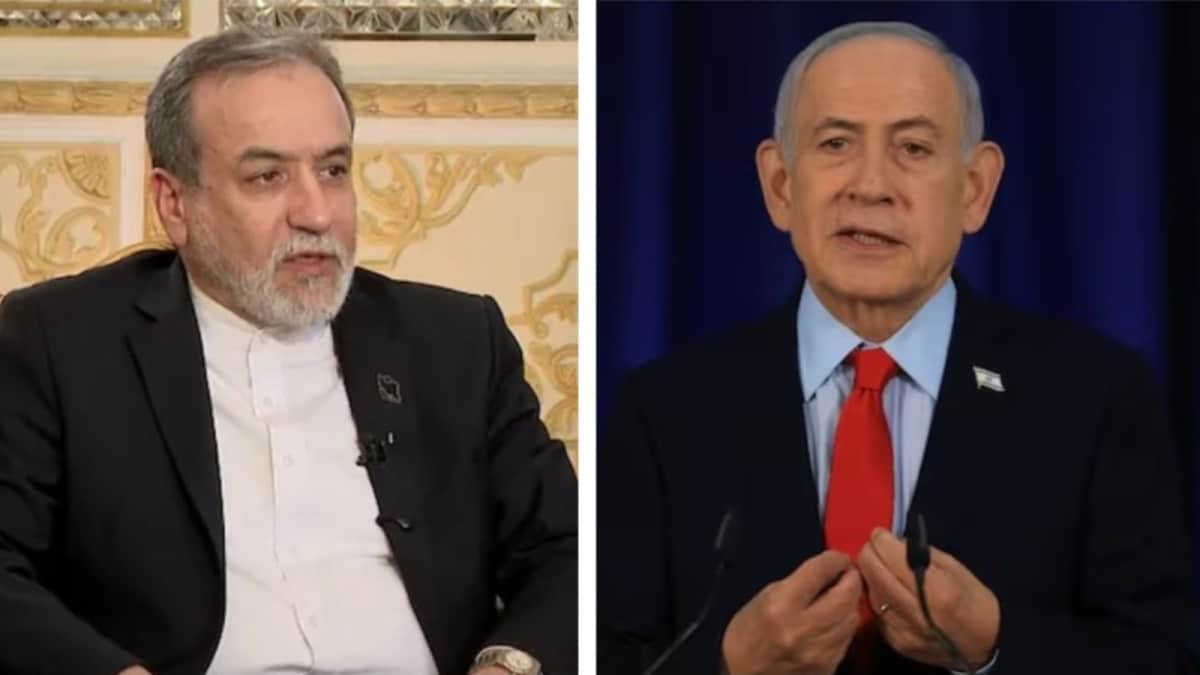
Honestly, when I first read about the Iranian delegation landing in Islamabad, I thought it was a good sign – maybe the two neighbours were finally moving past old grudges. But the more I dug into the reports, the clearer it became that Iran is not exactly rolling out the welcome carpet. According to the intelligence assessments I have been following, there is a deepening diplomatic rift, and it feels like a classic case of trust being eroded by a mix of political urgency and old‑fashioned rivalry.
What struck me most was the tone of the Iranian officials. They are not just cautious; they are practically wary, as if they anticipate a sudden change of heart from Pakistan at any moment. And that wariness is not just a vague feeling – it is backed by concrete concerns that Pakistan is in a “desperate hurry” to sign deals that will shore up its domestic political survival and give immediate economic relief.
Why Pakistan feels the need to hurry
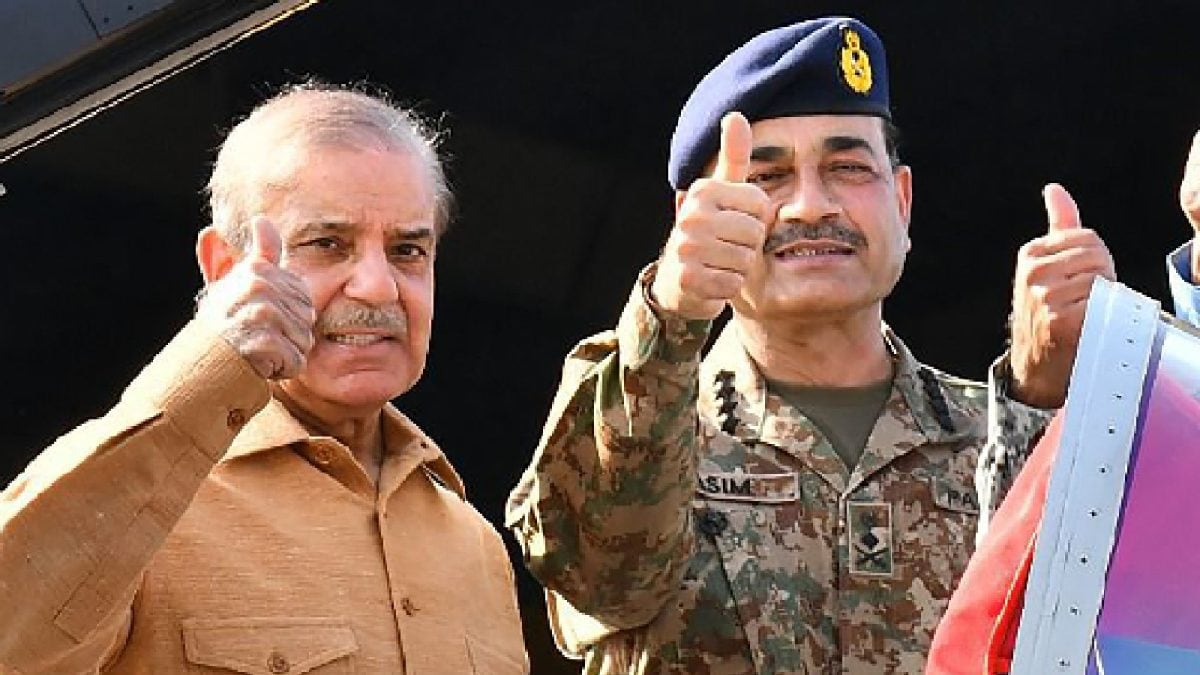
To understand the rush, you have to look at what’s happening inside Pakistan right now. The new leadership – Field Marshal Asim Munir at the top of the army and the Sharif family pulling the political strings – are under immense pressure. Almost every evening you hear about power cuts, inflation soaring, and opposition parties staging protests. In my neighbourhood in Delhi, we see similar scenes when the government announces sudden tax hikes – people rush to the markets, looking for any discount they can get before prices climb even higher.
And it isn’t just about money. Iran points out a pattern – in the past, Pakistan has signed aGreements with great enthusiasm, only to pull back when faced with Western sanctions or pressure from traditional allies. In most cases, these decisions line up with Pakistan’s historic tendency to keep the United States, Saudi Arabia, and other Sunni Gulf states happy.
The “broader Sunni bloc” angle
What adds another layer to this story is the perception that Pakistan’s hurried diplomacy is not really an independent move. Iran’s officials describe it as an extension of a “broader Sunni bloc” that has long been at odds with Tehran’s interests. Think of it like a family dinner where one side keeps pushing for biryani while the other prefers roti – the disaGreements become about more than just food, they become about identity and allegiance.
When Pakistan signs a deal with a Gulf country, Iran wonders whether Pakistan is simply following the script laid out by Saudi Arabia or the United Arab Emirates. That suspicion is amplified because Tehran believes that the “fast‑track” approach is less about genuine peace‑building and more about appeasing Sunni allies, who sometimes view Iran as a regional rival.
In my own experience, whenever a big firm in India tries to partner with a foreign player, we often ask – is this move driven by the firm’s own strategy, or is it simply following the pressure from a bigger shareholder? That’s essentially the question that Iran is asking Pakistan.
The Shia factor and intra‑country tensions
Now, let’s talk about the sectarian dimension. Iran, being a Shia‑majority nation, has always kept an eye on the Shia population in Pakistan. Recently, the intelligence sources highlighted “domestic Shia unrest” in Pakistan, and they pointed out that Field Marshal Asim Munir made some sharp remarks that didn’t sit well with Tehran.
For Iran, this is not a minor irritation – it’s a sign that Pakistan might be moving away from a friendly stance towards the Shia minority, which Tehran sees as part of its broader community. The sources say that while Islamabad tries to downplay the issue, framing the talks as “casual peace talks”, Iran calls the whole scenario “grave” and “serious”.
Energy politics and the Strait of Hormuz
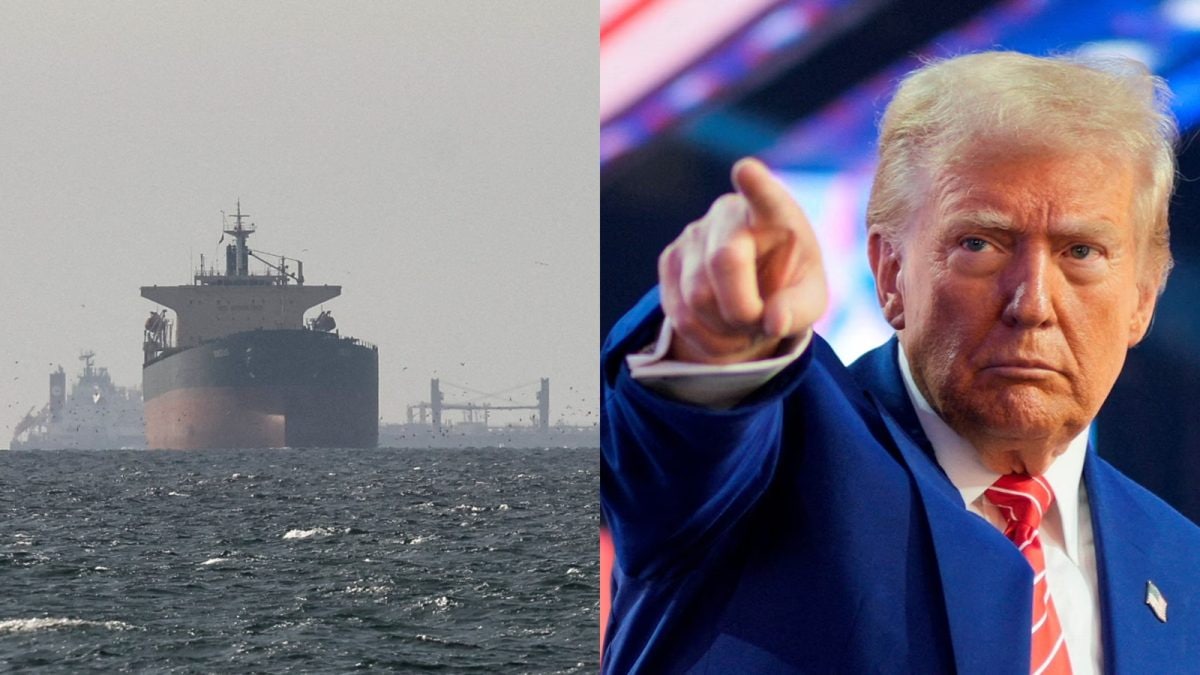
Another piece of the puzzle is Iran’s strategy of using energy routes as a bargaining chip. The intelligence brief mentions that Iran is increasingly willing to disrupt global energy flows by threatening to close the Strait of Hormuz. In plain terms, that means Iran could block a major oil shipping lane, causing price spikes worldwide.
Imagine the chaos if the Delhi Metro suddenly stopped running because of a fuel shortage – prices would soar, and everyday commuters would feel the pinch. Iran wants to show that it can cause such disruptions, not just against the United States or Israel, but also against “brokers like Pakistan”. That’s a clear message: Iran will not let Pakistan be a neutral middle‑man if Pakistan is seen as siding with Tehran’s rivals.
The question that arises is whether Pakistan can remain a stable partner for Iran under such pressure. The sources suggest that Iran doubts Pakistan’s ability to stay insulated from Western influence, especially given Pakistan’s longstanding economic ties with the United States and the Gulf states.
What this means for the upcoming US‑led negotiations
All of this is happening against the backdrop of the United States trying to broker an end to the West Asian conflict. Iran’s senior officials are sending a strong signal that they no longer view Pakistan’s routine diplomacy as enough to bridge the widening chasm. In other words, Iran wants to make sure that any talks that involve Pakistan have to earn credibility and cannot rely on mere goodwill.
From my perspective, it feels like a classic case of “trust but verify”. Iran is saying, “we are willing to talk, but only if Pakistan proves that it is not just a pawn for the Sunni bloc or a quick‑fix for its own domestic woes.” The stakes are high, because if Iran feels sidelined, it could decide to take matters into its own hands, perhaps by leveraging its energy dominance more aggressively.
Personal reflections and the way forward
Personally, watching these developments feels a bit like watching a cricket match where one team is constantly switching fields. You never know whether the bowler will stick to a line or change tactics at the last minute. That unpredictability makes it hard for any neighbour, including Iran, to plan its next move.
What I gather from the whole scenario is that the relationship between Iran and Pakistan is at a critical crossroads. The Iranian side is wary, the Pakistani side is hurrying, and the rest of the world – especially the United States and the Gulf nations – are watching closely, ready to step in if either side backs out.
For anyone trying to understand the larger picture, it helps to remember that both countries share long borders, cultural ties, and even similar food preferences. Yet, politics, economics, and sectarian identities can turn those shared threads into knots that are hard to untangle. If Pakistan wants to stay on board as a mediator, it will need to slow down, reassure Iran that its aGreements are not just a temporary patch, and perhaps tone down the rhetoric that has upset the Shia community.
All in all, the next few weeks will be crucial. Iran’s strong stance signals that it expects more than just lip‑service from Pakistan. And Pakistan, juggling its own domestic challenges, will have to decide whether it can afford to play a patient, steady role or whether it will continue to dash for quick wins that might leave Tehran even more doubtful.