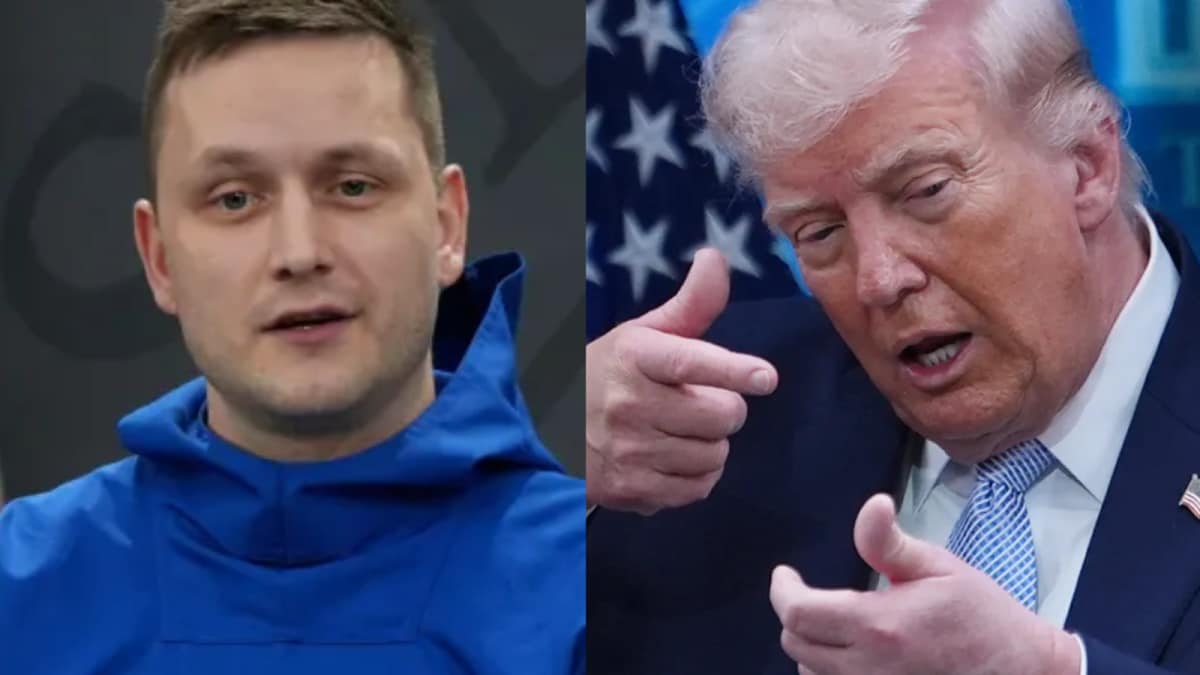
Greenland Prime Minister Jens‑Frederik Nielsen hits back at Donald Trump's ice comment, calls for NATO solidarity
So, there I was, sipping my early‑morning chai, scrolling through my phone when I saw another post from Donald Trump on Truth Social. This time, he’d gone and called Greenland "a big, poorly run piece of ice". You could feel the heat of the controversy even before the tea got cold.
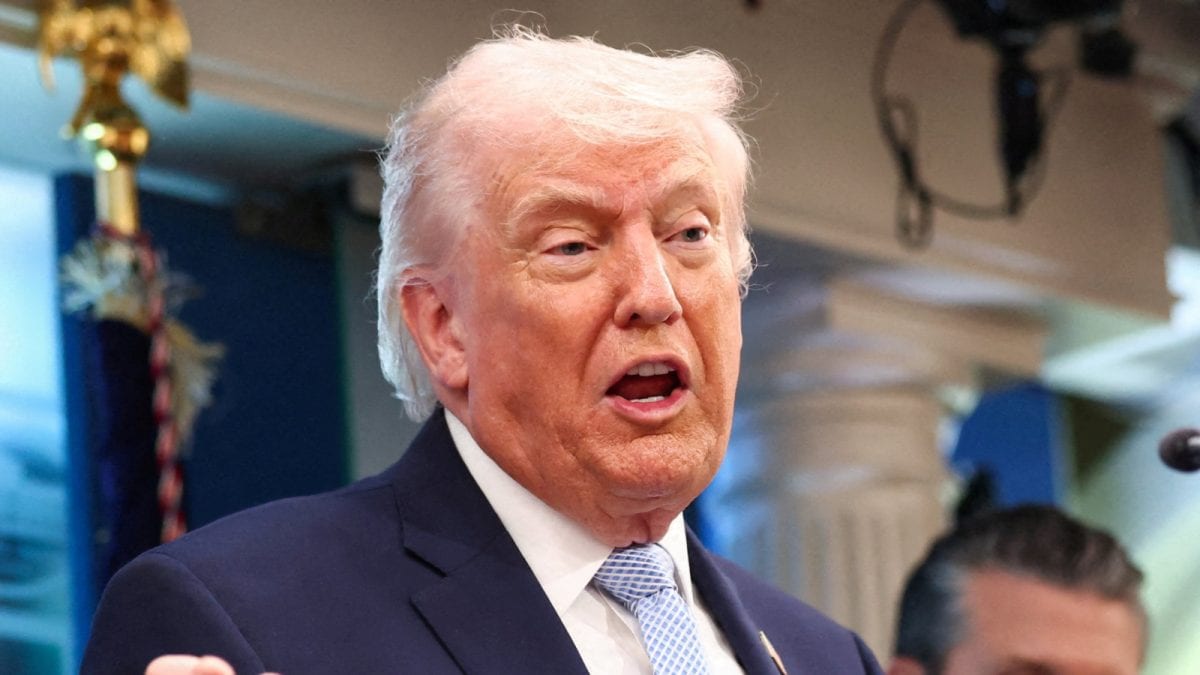
Donald Trump’s post was a short, angry rant aimed at NATO’s stance on the Iran issue. He blamed the alliance for not being there when he needed it and then, out of nowhere, mentioned Greenland, using the exact phrase "big, poorly run piece of ice". It was like he was trying to hit two birds with one stone – vent his frustration at NATO and at the same time, stir up the old Greenland debate.
Greenland Prime Minister Jens‑Frederik Nielsen responded on the same day, and let me tell you, the reply was anything but icy. He said, "We are not some piece of ice. We are a proud population of 57,000 people, working every single day as good global citizens in full respect for all our allies," quoting a statement from the news agency Gree. That line stuck with me – it sounded like a calm voice in a storm of social‑media fireworks.
Jensen‑Frederik Nielsen didn’t stop at defending his people. He went on to stress the importance of preserving the post‑war global order, especially the role of NATO and the principle of international law. "All allies should stand together to maintain them," he said, adding that these values are now being challenged more than ever. You could sense his urgency, as if he were standing on a bridge between two continents, trying to keep the traffic flowing smoothly.
Why the Greenland fuss matters to all of us
Now, why would a conversation about an icy island matter to someone living in Delhi or Bangalore? Well, first off, Greenland sits on top of a massive amount of fresh water and sits at the crossroads of several strategic sea routes that may become vital as the Arctic ice melts. That means any change in control or military presence could ripple through global trade, energy stability and even climate research – topics that affect everything from the price of a rice bag to the air we breathe.
And don’t forget the bigger picture. The United States has been maintaining a military presence on Greenland since a 1951 treaty. This is not a new development – it’s a legacy of the Cold War that still lingers. Over the past few months, Donald Trump revived his push to bring Greenland under United States control, even flirting with the idea of using force. That old ambition resurfaced when the White House, earlier this year, said the United States was weighing a use of military force in Greenland.
European neighbours like Germany and France, alarmed by the threat, sent small contingents of troops to Greenland. It was a kind of “we’ve got your back” signal, a show of solidarity and a deterrent to any possible aggression. NATO Secretary General Mark Rutte stepped in to steer the situation toward a diplomatic track, trying to keep things from spiralling into an open conflict.
Donald Trump later backed down after a meeting with Mark Rutte, saying that "the framework of a future deal" had been formed and that the Greenland conflict was now moving to a diplomatic track. That was a big relief for many of us, because a military confrontation in the far north would have sent shockwaves through markets and geopolitics alike.
But even with that diplomatic sigh of relief, Greenland Prime Minister Jens‑Frederik Nielsen remains skeptical. He told reporters, "I cannot see that Donald Trump's desire to either take over or control Greenland has been taken off the table." What a way to put it – straight, no‑nonsense, and yet slightly weary, as if he’s seen this tug‑of‑war before.
How talks are shaping the future of Arctic security
The discussions happening behind the scenes involve Greenland, Denmark and the United States. Denmark, being the sovereign state of which Greenland is an autonomous territory, is a key player. While the United States wants to keep its strategic foothold, Denmark is keen on protecting its people’s rights and ensuring any changes follow international law.
These talks have been going on for weeks. I followed a few live‑streams from the press conferences, and you could sense the tension in the room – the kind of tense air you feel when a traffic jam builds up outside a temple during a festival. There are ministers, diplomats, and military advisors, all with their own agendas but also aware that any misstep could make headlines worldwide.One of the major points on the table is the 1951 treaty that lets the United States have a military presence on Greenland. Both Denmark and Greenland Prime Minister Jens‑Frederik Nielsen acknowledge that the treaty exists, but they also stress that any future moves must respect the sovereignty of Greenland’s 57,000 residents. It’s a delicate dance – you want to keep the strategic advantage while not trampling on the rights of a small but proud community.
Mark Rutte’s role has been crucial. He acted as a mediator, nudging both sides toward dialogue instead of discord. After a meeting with Mark Rutte on a Wednesday, Donald Trump's social media post shifted from a rant to a more measured tone, hinting at a future deal. It shows how a single conversation can change the narrative, something I’ve seen many times in Indian politics as well, where a single meeting can lead to a big policy shift.
The human side of a geopolitical saga
When you strip away the political jargon, you are left with simple human stories. Greenland’s 57,000 inhabitants, many of whom are Inuit, have their own daily lives – fishing, reindeer herding, school, and watching Bollywood movies on a small TV set. They do not want to be reduced to "pieces of ice" in a geopolitical chess game. Jens‑Frederik Nielsen’s insistence on their pride and respect for allies reminded me of how proud we feel about our own local cultures, whether it’s a bhangra troupe in Punjab or a classical dance troupe in Kolkata.
One neighbour in my lane told me he followed the news because he used to study Arctic geography in college. He said every time a big power tries to claim a piece of land, it sends a ripple through smaller nations, just like when a large corporation tries to dominate a local market. The message is clear: even small players have rights that need to be protected.
And then there’s the NATO angle. Jensen‑Frederik Nielsen’s call for NATO unity hit home for many of us who have grown up seeing the alliance as a shield against larger threats. In an era where the rules of international law are increasingly being tested, his reminder that "all allies should stand together" feels like a rallying cry, similar to the chants we hear during cricket matches when the nation unites behind a single cause.
What the coming weeks could mean
Looking ahead, a few scenarios could play out. If the diplomatic track continues smoothly, we may see a refreshed aGreement that retains the United States’ strategic presence while giving Greenland’s people more say in the matter. That would be a win‑win, maintaining security and respecting sovereignty.
On the other hand, if Donald Trump’s desire to exert more control resurfaces, we could see heightened military posturing, possibly another round of troop deployments by European nations, and even more social‑media furor. Such escalation would not only strain NATO relationships but could also affect global markets, especially commodities linked to Arctic routes.
What is certain is that Jensen‑Frederik Nielsen will keep pressing for a solution that safeguards his people’s rights. His skepticism about the United States’ intentions hints that any aGreement will need to be transparent, with clear mechanisms for oversight. It’s a bit like demanding a more detailed receipt after a big purchase – you want to know exactly what you’re getting.
For the rest of us, staying informed about these developments is crucial. While we may not be sailing the icy waters of Greenland, the outcomes affect climate policies, global trade routes, and even the price of goods that make their way to our local markets. So, next time you hear a political debate about an island far away, think of the people living there – just as we think of our neighbours when policies change at home.