What’s brewing in Washington?
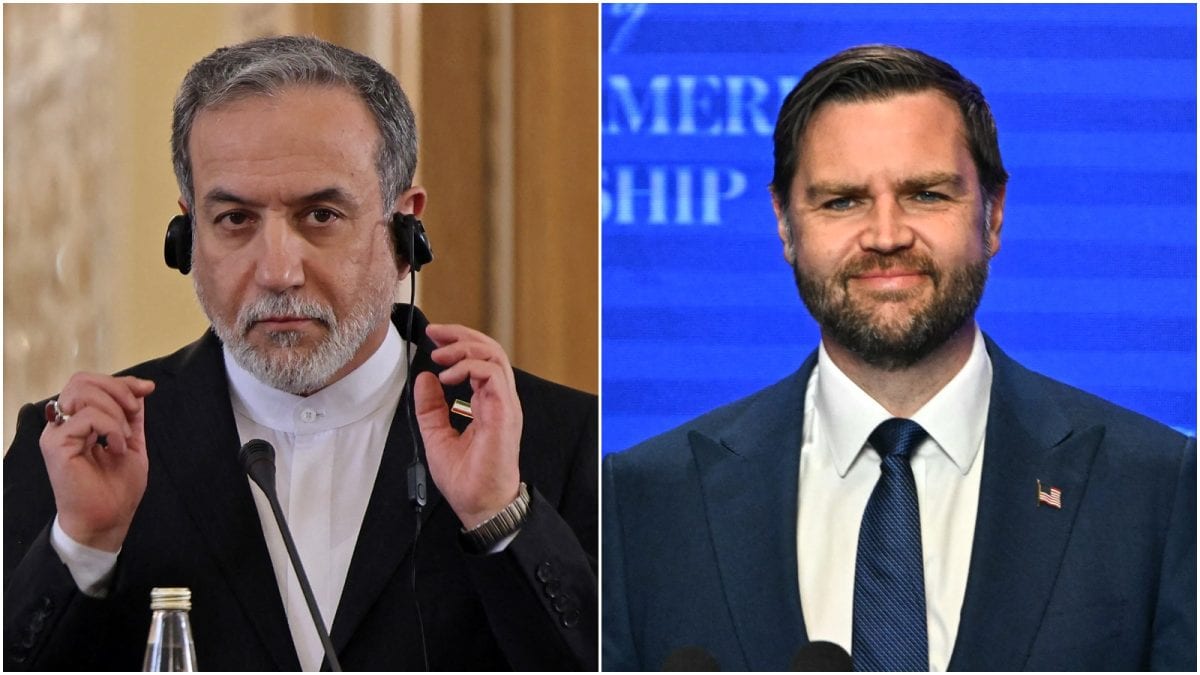
So, I was scrolling through the news this morning, sipping my chai, when I came across a report that the United States is likely to host a fresh set of peace talks between Israel and Lebanon as early as next week. The venue? Apparently the U.S. State Department, which makes sense because that’s where most high‑level diplomatic negotiations take place. The interesting bit is that the American side will have Michel Issa, the U.S. Ambassador to Lebanon, handling things for Lebanon, while Yechiel Leiter, the Israeli Ambassador to the United States, will be there representing Israel. I was a bit puzzled, though, because the article didn’t mention who exactly will stand for Lebanon besides Michel Issa. Maybe someone from the Lebanese foreign ministry, or perhaps a senior political figure, will join the delegation.
Honestly, the whole set‑up feels like a classic diplomatic chess game. On the one hand you have Israel and Lebanon, two neighbours with a long, tangled history, and on the other you have the United States playing the role of the intermediary, trying to keep the board from exploding.
Why this sudden push?
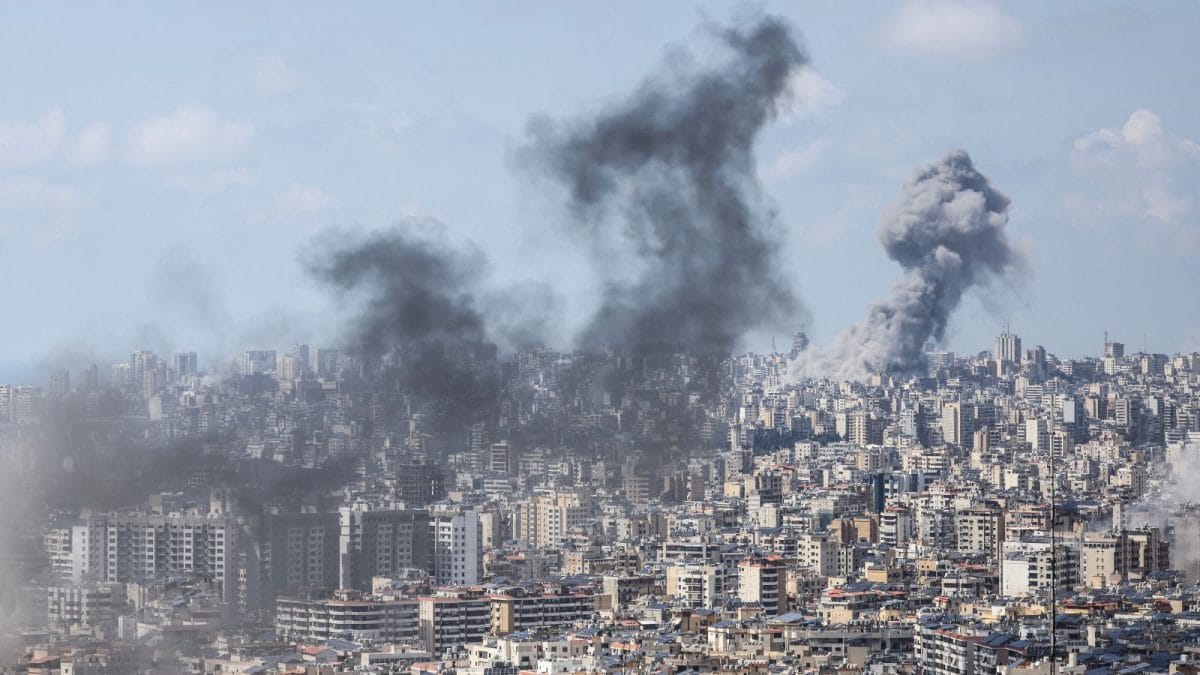
To understand why the talks are being pushed now, we need to look at the recent escalation. Lebanon’s health ministry released some grim numbers that shocked many of us – more than three hundred people lost their lives in a single day of Israeli strikes, and over a thousand people were wounded. Those figures are not just numbers; they represent families who lost their breadwinners, children who were maimed, and a whole community living in fear.
Adding fuel to the fire, Israel announced that it had killed Ali Yusuf Harshi in an overnight strike on Beirut. Ali Yusuf Harshi is known as a relative and aide of Hezbollah leader Naim Qassem. That killing has clearly rattled Hezbollah’s ranks and heightened the tension on the ground.
From my own experience, whenever there is such a spike in violence, governments tend to seek a diplomatic way out, even if the chances look slim. It’s like when the rains come early in the monsoon season – the farmers rush to protect their crops, even if the real worry is that the storm might be too strong. In this case, Netanyahu’s cabinet is being told to start talks “as soon as possible.” The phrase “as soon as possible” sounds urgent, but it also hints at a lot of behind‑the‑scenes maneuvering that the public never gets to see.
Hezbollah’s firm stand
Here’s where the plot thickens. Hezbollah’s response to the idea of direct negotiations has been a resounding “no.” A senior Hezbollah lawmaker, Ali Fayyad, went on record saying that Lebanon will not engage in any direct talks with the Israeli enemy. He reiterated the group’s core demands: Israel’s withdrawal from Lebanese soil, an immediate cease‑fire, and the right of residents to return to their villages and towns.
Ali Fayyad’s statement was shared across the Iran‑backed group’s media channels. If you follow regional politics, you know that Hezbollah’s language is often very firm. They use words like “national principles,” which in their view means preserving Lebanese sovereignty the way they interpret it. And, honestly, I can see why they would be inflexible. After all, they have been under fire, literally, and any hint of compromising could be viewed as a betrayal by their base.
One could compare it to a family argument in an Indian household – when a senior member says “no” to a proposal, the younger folks often have to step back and respect that decision, even if they think some compromise might help. That’s the vibe here.
Benjamin Netanyahu’s push for dialogue
Despite Hezbollah’s refusal, Israel’s Prime Minister Benjamin Netanyahu has made it clear that his government is ready to sit down for talks. Benjamin Netanyahu’s office released a statement saying that, because of Lebanon’s repeated requests to open direct negotiations, the cabinet has been instructed to begin those talks as soon as possible.
Benjamin Netanyahu also emphasized that the talks would focus on disarming Hezbollah and establishing lasting peace relations between Israel and Lebanon. It sounds like a big promise, but I can’t help but wonder how realistic it is, given the deep-rooted mistrust on both sides. It’s like trying to convince two neighbours who have been arguing over a fence for generations to finally aGree on a design – it takes more than just a meeting; it needs groundwork, trust‑building, and time.
From a personal angle, I think Benjamin Netanyahu is also trying to manage domestic expectations. After all, the Israeli public has been dealing with missile alerts, sirens, and the constant worry about security. Showing that the government is actively seeking a diplomatic route can be a way to reassure citizens that there is a plan beyond just military responses.
Iran’s voice in the background
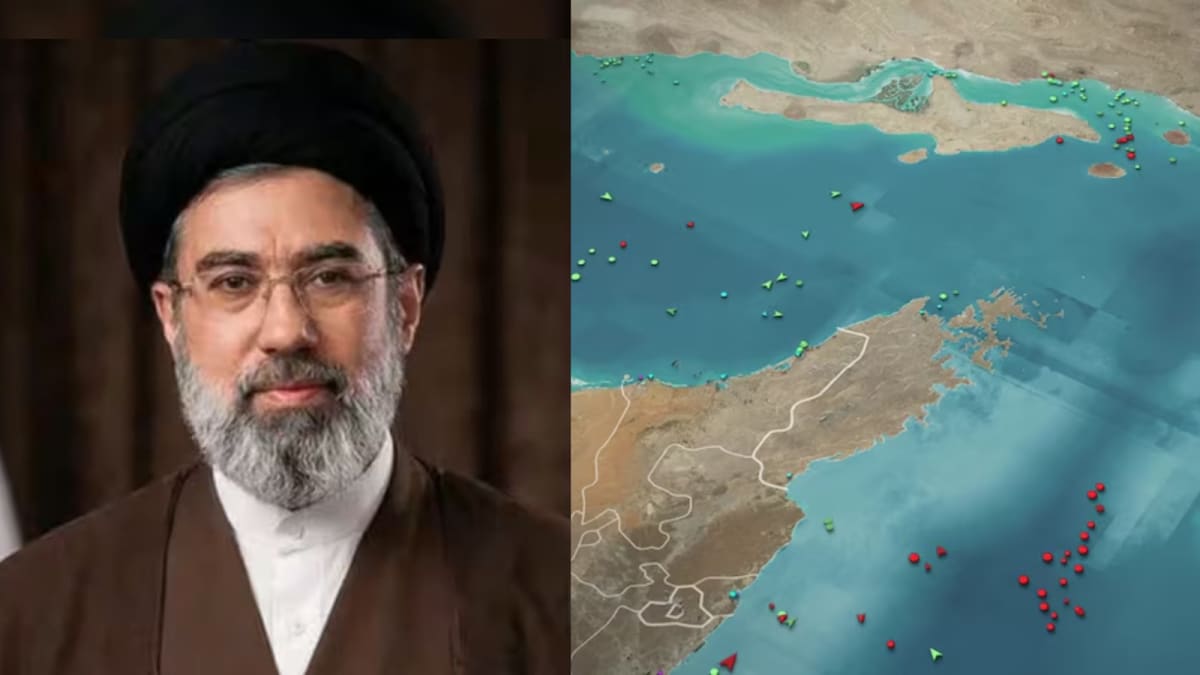
Adding another layer, Iran’s President Masoud Pezeshkian took to social media to voice his support for the Lebanese people. Masoud Pezeshkian warned that Iran’s “fingers remain on the trigger” as Israel continues its attacks. The message was clear: Iran won’t abandon its Lebanese allies.
Masoud Pezeshkian called Israel’s renewed incursion a blatant violation of the original cease‑fire aGreement, saying that any continuation would make any negotiation meaningless. He also used a strong metaphor – “our fingers remain on the trigger” – indicating that Iran is ready to intervene if it feels the situation escalates further.
In everyday conversation, it feels like a friend saying, “I’m watching you, don’t mess up.” That’s basically what Masoud Pezeshkian is doing with Hezbollah and Lebanon – a warning that any further aggression could invite a larger regional showdown.
What does this mean for ordinary people?
When I think about the average person living in the border areas of Lebanon or Israel, the news of talks may sound like a distant diplomatic exercise, but the reality is far more personal. Imagine a farmer in the south of Lebanon who has to halt his crops because of shelling, or a shopkeeper in northern Israel who worries about his family’s safety every time an air‑raid siren blares. For them, a successful negotiation could mean a return to normal life – school kids going back to classrooms, markets reopening, and the sound of gunfire fading into the background.
On the other hand, if the talks collapse or if Hezbollah continues to reject any direct engagement, the cycle of retaliation could continue. That would mean more loss of life, more displacement, and more economic hardship for families already struggling with high inflation and unemployment.
From a personal perspective, I’ve seen friends from both sides who lost relatives in the last few years. Their stories are a stark reminder that behind every headline is a human being who has to pick up the pieces.
Possible scenarios ahead
Given the current stance of the main players, here are a few possibilities that could unfold in the coming weeks:
- Scenario 1 – Limited dialogue: Michel Issa and Yechiel Leiter may meet without a full Lebanese delegation, focusing on confidence‑building measures such as humanitarian aid corridors. This could be a first step, but without Hezbollah’s buy‑in, progress may be limited.
- Scenario 2 – Hezbollah‑backed rejection: Ali Fayyad’s firm stance could hold, leading Israel to either increase pressure through military means or seek a broader regional conference involving Iran, Masoud Pezeshkian, and other stakeholders.
- Scenario 3 – International mediation: The United Nations or a neutral third‑party country could step in to facilitate indirect talks, possibly using back‑channel communications to address Hezbollah’s core demands.
- Scenario 4 – Escalation: If either side feels the talks are a stalling tactic, there could be a spike in cross‑border attacks, further inflaming public sentiment and making diplomacy even harder.
In most cases, the journey from a talk room in Washington to peace on the ground is long and fraught with setbacks. Think of it like a long road trip across India – you might start in Delhi, but you’ll face traffic, roadworks, and unexpected detours before you finally reach Bangalore.
Wrap‑up and personal reflections
All in all, the upcoming talks at the U.S. State Department could be a turning point, but the road ahead is anything but smooth. The fact that Michel Issa and Yechiel Leiter are on board shows that at least the two governments are willing to sit down. Yet, Hezbollah’s outright rejection, voiced by Ali Fayyad, signals that any aGreement will have to address deep‑seated grievances – Israeli withdrawal, cessation of hostilities, and the return of displaced residents.
Benjamin Netanyahu’s push for direct negotiations and Masoud Pezeshkian’s stern warning add more layers to the diplomatic puzzle. If you ask me, the most hopeful outcome would be a phased approach – starting with humanitarian steps, moving to confidence‑building, and eventually tackling the thornier issues like Hezbollah’s arms.
From my own perspective, I remain skeptical but cautiously optimistic. I have seen how dialogue, even when it seems futile at first, can eventually open doors that were previously sealed shut. If the talks can at least reduce the daily fear of rockets and air‑strikes for people living in border towns, that would be a win in my book.
Until then, I’ll keep following the news, chatting with friends from both sides, and hoping that the next week in Washington brings a step forward rather than another setback.