India’s High‑Growth Economy Faces a Triple Energy Shock from the Middle‑East Conflict
Only a short while ago, the Reserve Bank of India (RBI) described the Indian macro‑environment as a “Goldilocks” moment – a rare combination of rapid growth and low inflation that many economists had praised as ideal.
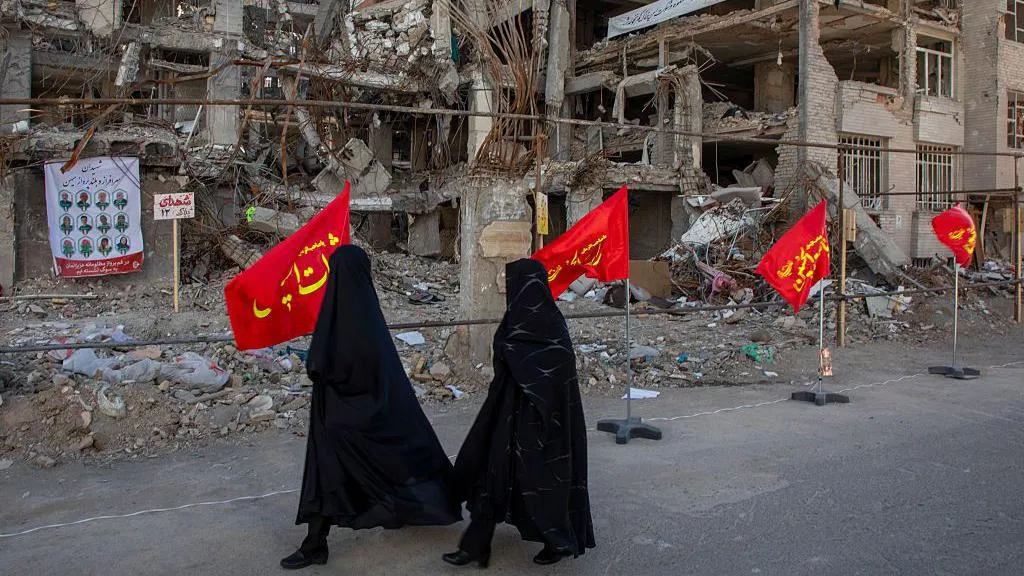
That optimism has since faded. The war that erupted in the Middle East between Iran and Israel has disrupted global oil supplies, and the ripple effect is now battering India’s famously fast‑growing economy.
Currency Shock: The Rupee’s Historic Slide
India’s national currency, the Indian rupee, has dropped to record lows against the United States dollar, sinking by almost ten percent over the past twelve months.
Although the Reserve Bank of India (RBI) stepped in with market interventions designed to curb speculative selling, analysts warn that the relief may be fleeting. A number of market watchers are already forecasting further depreciation if the conflict endures.
Bernstein, a global equity research firm, has warned that in a worst‑case scenario where the war persists through much of 2026, the Indian rupee could breach the 110‑to‑the‑dollar threshold – a move described as “catastrophic.” Even if the fighting were to end more quickly, a continued downward trajectory for the Indian rupee appears likely.
The weakening of the Indian rupee carries a cascade of adverse effects. Higher import costs feed through to consumer prices, eroding purchasing power. Corporate profit margins contract under the strain of pricier inputs, while the Indian government faces widening fiscal deficits because of increased subsidy requirements. At the same time, foreign investors tend to withdraw capital from Indian equity markets, further depressing stock prices.
Equity Market Pressure and the Wealth Effect
India’s benchmark equity indices have already slipped roughly twelve percent since the start of the calendar year. The decline follows a sizable outflow of foreign capital, an outflow that undermines the “wealth effect” that had previously encouraged affluent Indian households to spend more as their asset values rose.
With the Indian rupee weakening, foreign investors find Indian assets less attractive, prompting the continued sale of shares and a rise in market volatility. The diminished “wealth effect” could have a dampening impact on domestic consumption, a key driver of India’s growth engine.
Inflation and Growth Outlook Under Strain
The escalating geopolitical tensions are beginning to weigh on India’s inflation and growth forecasts. India’s finance ministry, in its latest monthly review, warned that higher import costs, increased logistics expenses, and a possible dip in remittances from the ten million Indians working in Gulf states could exert a “significant” influence on inflation and economic activity.
According to the finance ministry, the current shock is being transmitted through “supply constraints and pressures across sectors, with early indications of some moderation in economic activity.” This assessment underscores the breadth of the disturbance across the Indian economy.
Earlier projections had placed gross domestic product (GDP) growth for the fiscal year 2026‑27 at around seven percent. However, multiple brokerage houses now estimate that the Gulf crisis could shave as much as one percentage point off that figure.
These revised growth estimates arrive against the backdrop of recent statistical revisions that lowered India’s historical GDP figures. The combined effect of revised baselines and the new energy shock means that India’s ambition to overtake Japan and become the world’s fourth‑largest economy will likely be delayed.
- Fuel and remittances: How Iran conflict hits India at home
- Gas shortage caused by Iran war may push India back to dirtier fuels
While food price inflation has begun to climb, the conflict has not yet translated into higher pump prices because the Indian government has taken steps to shield consumers. The government reduced excise duties on both petrol and diesel ahead of critical state elections and also imposed windfall taxes on fuel exports.
The Multi‑Faceted Energy Shock
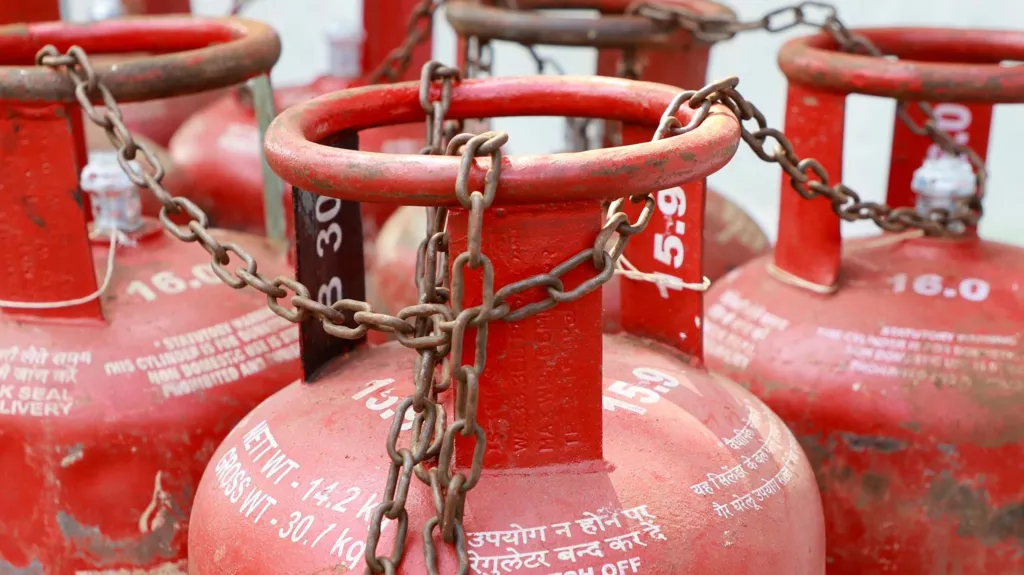
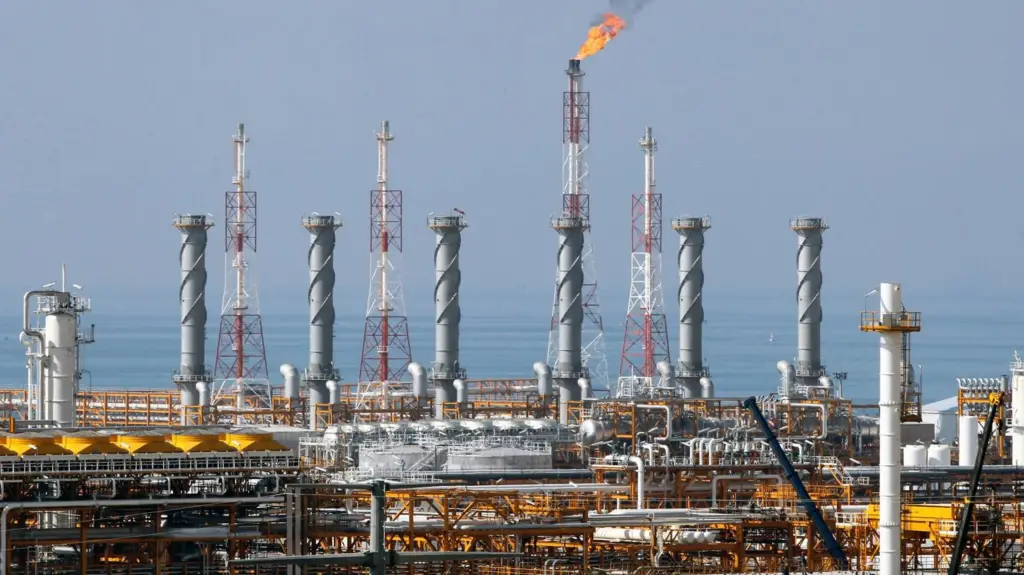
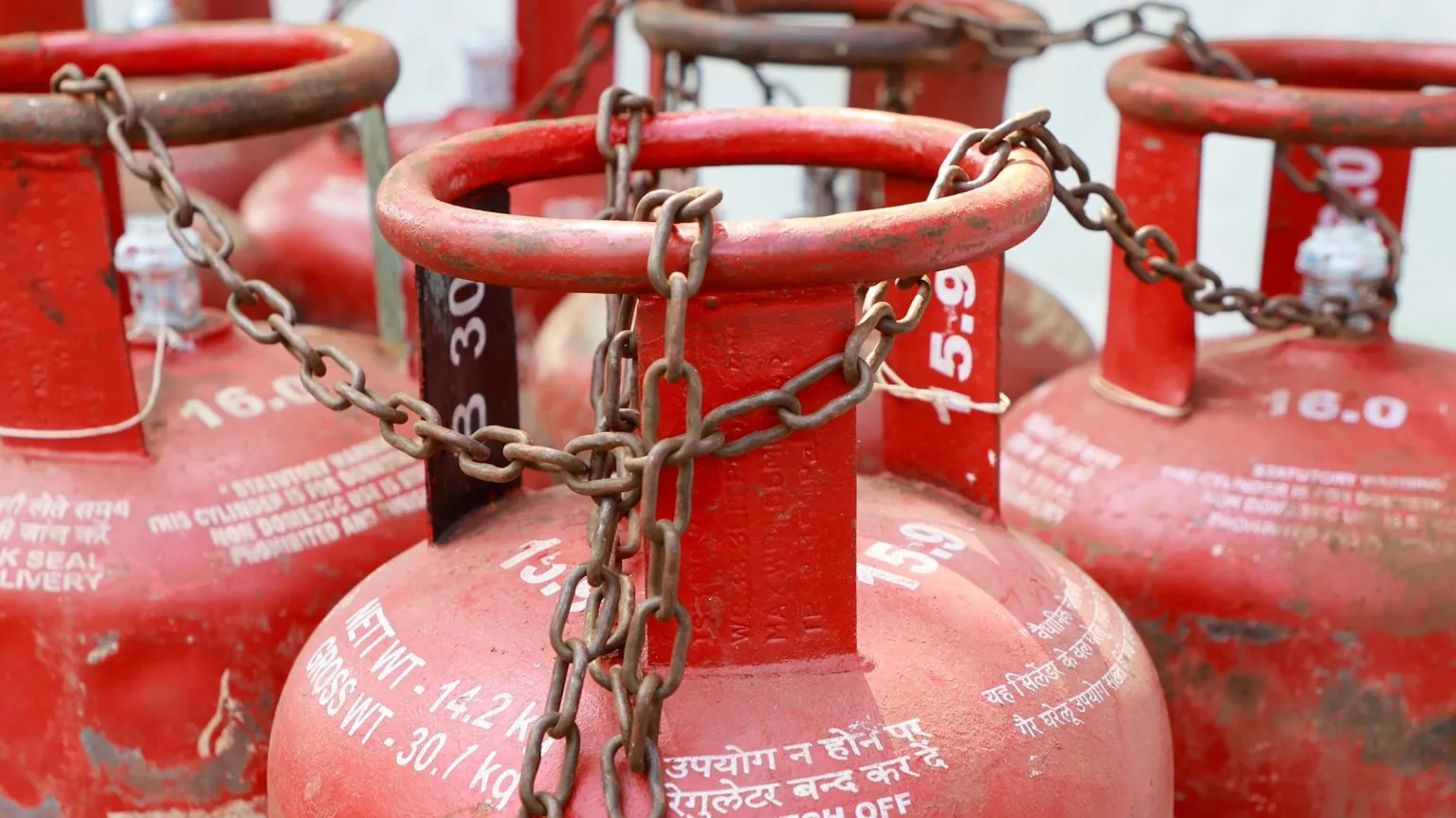
India’s exposure to the Middle‑East conflict is not limited to crude oil. India ranks as the world’s third‑largest importer of crude oil, yet roughly sixty percent of India’s natural gas imports and more than ninety percent of India’s liquefied petroleum gas (LPG) imports come from the region. India is also the world’s second‑largest consumer of LPG.
In addition, about a quarter of India’s fertilizer imports are sourced from Middle‑Eastern nations. Disruptions in fertilizer supply could jeopardise India’s extensive agrarian sector, especially as the upcoming sowing season coincides with an elevated risk of an El Niño weather pattern, according to a note from Care Edge Ratings.
Shilan Shah and Mark Williams of Capital Economics warned that the most pressing danger for India is a genuine shortage of energy supplies. The analysts noted that the shortage has already forced the partial or complete closure of restaurants and hotels, while also impacting food‑processing factories, the ceramics industry, and even funeral services.
Arvind Subramanian, India’s former chief economic adviser, told India Today TV that the nation could experience a “stagflationary shock of pretty large magnitude,” where inflation climbs while growth stalls. Subramanian added that the “stag” component is already evident in the closure of eateries and reduced household access to natural gas.
Labor Market Ripples and Potential Supply‑Side Constraints
The LPG shortage has sparked scenes reminiscent of the COVID‑19 lockdown period, with reports of migrant workers returning from major metropolitan areas such as Mumbai to their home regions. Economists caution that a sudden contraction in labor availability could create supply‑side bottlenecks and push wages upward, further feeding inflationary pressures.
Government Response and Fiscal Implications
In response to the unfolding crisis, the Indian government has proposed a $6.2 billion “economic stabilisation fund” and is seeking parliamentary approval for additional spending on food and fertilizer subsidies.
Bernstein observes that the funding is being reallocated from other budget lines such as road and railway infrastructure, rendering the relief “modest relative to the scale of the challenge.” The reallocation reflects a trade‑off between immediate crisis management and longer‑term development projects.
Given the uncertainty surrounding the duration of the Middle‑East conflict, the Reserve Bank of India (RBI) is expected to hold interest rates steady in its upcoming policy meeting. Care Edge Ratings described the RBI’s approach as a “wait and watch” strategy that preserves policy flexibility to assess emerging risks to both growth and inflation before making calibrated decisions on future rate adjustments.
Potential Upside: Export Competitiveness and Foreign‑Exchange Buffers
Despite the challenges, some analysts point to possible silver linings. A weaker Indian rupee could make Indian exports more price‑competitive on global markets, potentially offsetting some of the downside from reduced foreign investment.
Furthermore, India enjoys a relatively comfortable foreign‑exchange reserve position, which provides a cushion that could help the country navigate the current shock without resorting to severe austerity measures.
Strategic Outlook: Building Energy Resilience
Arvind Subramanian likens the present predicament to the tariff‑driven trade reforms of the Trump administration, suggesting that the crisis serves as a wake‑up call for India to develop a comprehensive strategy that addresses both immediate and long‑term energy vulnerabilities.
The recommended strategy includes expanding strategic stockpiles, diversifying supply sources, and accelerating the transition to renewable energy technologies. Such measures could reduce India’s reliance on Middle‑East energy imports and enhance overall economic stability.