My First Encounter with the Audition Call
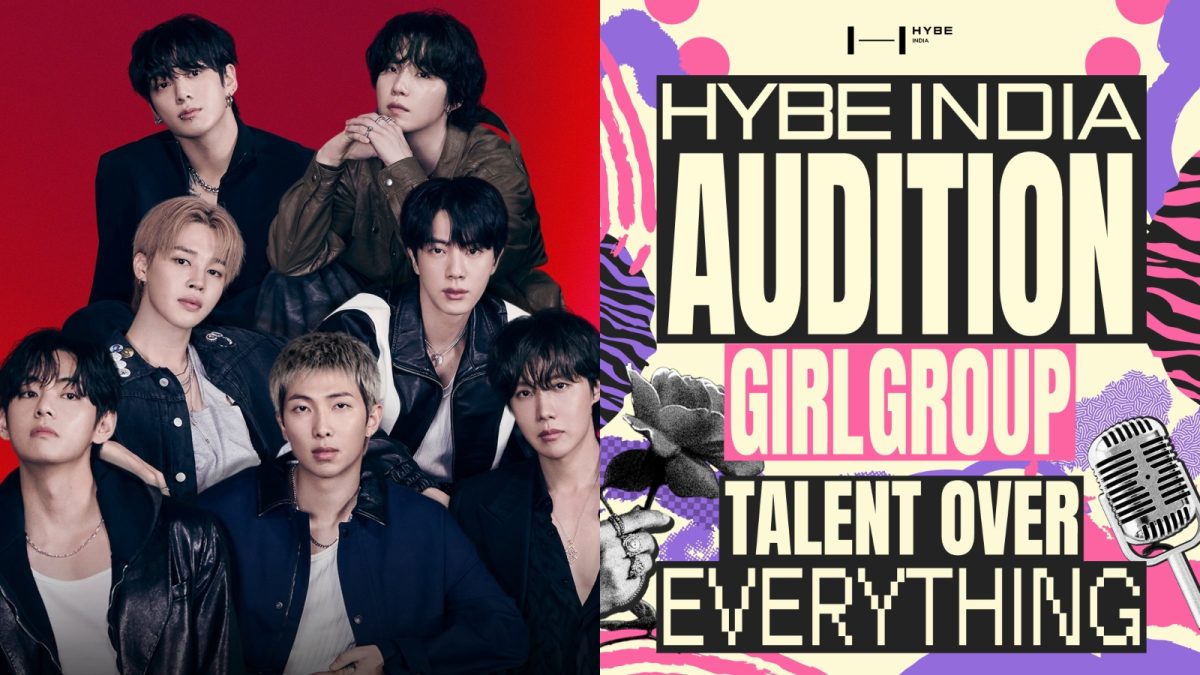
Honestly, when I first saw the banner about HYBE INDIA’s girl‑group audition, I thought it was some viral meme. You know how quickly anything related to K‑pop spreads on our WhatsApp groups – from dance challenges to fan art. But then I read the details and realised this was the real deal: the same company that manages BTS and NewJeans was actually looking for Indian talent. I remember sitting at my kitchen table, sipping chai, and thinking how many of my cousins, who love dancing at wedding functions, would have loved a chance like this.
The announcement mentioned that the call is open to girls born between 2005 and 2011. That basically means school‑going, college‑going youngsters – the age group that lives and breathes K‑pop on daily commutes, after‑school tutoring, and late‑night YouTube sessions. The idea of being able to showcase my own voice or a dance move on a platform that could reach fans in Seoul, New York or Lagos felt both thrilling and a little surreal.
Why a Girl Group? The Research Behind the Decision
HYBE INDIA didn’t just decide to start a girl group on a whim. Over the past few years, they partnered with Nielsen to run a big quantitative study that asked teenagers and twenty‑somethings across India what they wanted from the music they consume. The numbers showed a clear gap: while many loved the energy of K‑pop, they felt that most of the groups didn’t reflect Indian women’s stories.
To add colour to the numbers, HYBE INDIA also sent teams to six major Indian cities – think of the bustling streets of Delhi, the tech hubs of Bengaluru, the cultural lanes of Chennai and the scenic corners of Guwahati – and held focus‑group chats. The feedback was unanimous – young Indian women wanted role models that sounded like them, moved like them and sang about things they cared about. That’s where the phrase “Harmony in Diversity” came from. It’s a simple yet powerful way of saying that a group can be a mix of different regional accents, dance styles, and personal stories, all wrapped in one cohesive package.
Damien Woochang Lee’s Vision for Indian Talent
Damien Woochang Lee, the chief executive of HYBE INDIA, has been very vocal about the company’s long‑term commitment to the Indian market. In an interview, Damien Woochang Lee said India has never lacked talent or ambition – what’s missing is a consistent pathway to the global stage. When I read that line, it struck a chord because I’ve seen many talented singers in my neighbourhood who never got a break beyond the local function stage.
According to Damien Woochang Lee, the audition is meant to be the first brick in building a bridge that lets Indian artists be seen, heard and understood beyond borders. It’s not just a one‑off talent hunt; it’s a promise that HYBE INDIA wants to nurture artists with intention, provide proper training, and eventually launch them internationally. The sincerity in Damien Woochang Lee’s words felt genuine, especially when he talked about “being heard beyond borders”. It reminded me of the countless practice sessions I’ve witnessed at school cultural fests where kids pour their hearts into a song hoping someone, somewhere, will notice.
The Audition Process – From Online to In‑Person
So, how does one actually apply? The process is designed to be as inclusive as possible. First, candidates can submit a video online – a short clip of them singing, rapping, dancing, acting or even modelling. The guidelines are straightforward: keep the video clear, use good lighting, and make sure the audio is audible. I even tried recording a short dance routine in my living room, and the experience was surprisingly professional; I felt like I was shooting a mini‑music video.
If the online submission catches the eye of the judges, the next step is an in‑person round. These are scheduled across ten cities: Ahmedabad, Bengaluru, Chandigarh, Chennai, Delhi, Guwahati, Hyderabad, Kolkata, Mumbai and Pune. Each city will also have pop‑up activation zones where aspirants can meet the HYBE INDIA team, get feedback, and perhaps even learn a few K‑pop moves from professional choreographers. The idea of travelling to a nearby city for a face‑to‑face audition adds a sense of excitement; it’s not just a screen‑based competition but a real, tangible experience.
For those who can’t make it to the city venues, HYBE INDIA assures that the online route remains open, ensuring no talent is left out because of distance. This dual approach feels very Indian – acknowledging both the urban hubs and the smaller towns that produce countless hidden gems.
What to Expect on the Audition Day
From what I’ve gathered, the audition day is more like a mini‑festival than a formal interview. Imagine walking into a hall where the ambiance is set with K‑pop tracks playing on speakers, banners of BTS and NewJeans on the walls, and a crowd of hopefuls buzzing with energy. The judges – a mix of HYBE INDIA talent scouts and industry professionals – will look for individuality, creativity and stage presence, not just technical perfection.
One practical tip that keeps popping up in the community chats is to bring a backup copy of your video on a USB stick, just in case the internet is spotty. Another tip is to rehearse a short “story” about why you want to join a K‑pop girl group – the judges often appreciate hearing a personal connection, like how you first fell in love with K‑pop during a school function or how you blend classical Indian dance with hip‑hop.
Potential Impact on the Indian Music Scene
If the audition leads to a successful girl group, the ripple effect could be huge. We could see more Indian songs being produced in the K‑pop style, collaborations between Indian musicians and Korean producers, and perhaps a new wave of Indian fashion influencing K‑pop music videos. Think of how the electric slide made its way into Indian weddings; music is just a few steps away from that kind of cross‑cultural exchange.
Moreover, the presence of an Indian girl group under the HYBE umbrella could encourage local record labels to invest more in training facilities, language coaches, and performance studios. Young girls from towns like Mysore or Bhopal might start seeing a realistic pathway to sing on the international stage, rather than just dreaming about it.
Personal Takeaways and Advice for Fellow Aspirants
Speaking from my own experience of auditioning for local talent shows, the biggest lesson is to stay true to your own flavour. While it’s tempting to copy every K‑pop move you see on YouTube, judges at HYBE INDIA have stressed that they want authenticity – that “Harmony in Diversity” they talked about. Blend the rhythm of a Bollywood dance step with a crisp hip‑hop slide, or sing a classic Indian lullaby with a modern pop arrangement.
Also, keep an eye on the official HYBE INDIA audition website and their social media pages. They frequently roll out updates about city‑specific schedules, pop‑up event details and even behind‑the‑scenes clips from previous auditions. Being proactive helps you plan your travel, rehearse the right material and stay motivated.
Lastly, remember that this is not just a competition; it’s a learning journey. Even if you don’t make it to the final lineup, the feedback you receive can be a valuable stepping‑stone for future projects, whether it’s a college band, a regional talent show or an independent YouTube channel.
Conclusion – A New Chapter for Indian K‑Pop Aspirants
In a country where music is part of everyday life – from the early morning bhajans to the late‑night Bollywood beats – having a global platform that actively seeks Indian talent is a milestone. HYBE INDIA’s audition for a girl group is more than a casting call; it’s a statement that Indian voices belong on the world stage. Whether you are a school student practising rap in your bedroom, a college dancer mastering choreography after lectures, or a budding actress dreaming of music videos, this could be your ticket.
So, if you have a spark for singing, dancing, rapping, acting or modelling, keep a close watch on HYBE INDIA’s official channels, prepare your best piece, and step onto that stage with confidence. Who knows? The next time you hear a new K‑pop hit, it might just have an Indian accent humming in the background.