How I Heard About Nitish Kumar’s Move to the Rajya Sabha
So, the other day I was sipping chai with my neighbour, and the TV was blaring the usual morning news. Suddenly, there was this segment about Nitish Kumar – you know, the guy who’s been running Bihar for as long as we can remember. The anchor said he had just taken oath as a Rajya Sabha member. I was like, ‘What? After all these years as chief minister, he’s shifting to the Upper House?’ It felt a bit like watching a favorite cricket captain hand over the gloves to a younger player, even though he’s still the most seasoned in the team.
What struck me most was the simple fact that he had to resign from the Bihar Legislative Council to take up the new seat. In our everyday chatter, we often forget that such constitutional steps are essential – like when you have to step out of a crowded local train to let someone board. It’s a small gesture, but it keeps the system moving.
The Oath‑Taking Ceremony – A Mix of Formality and Familiar Faces
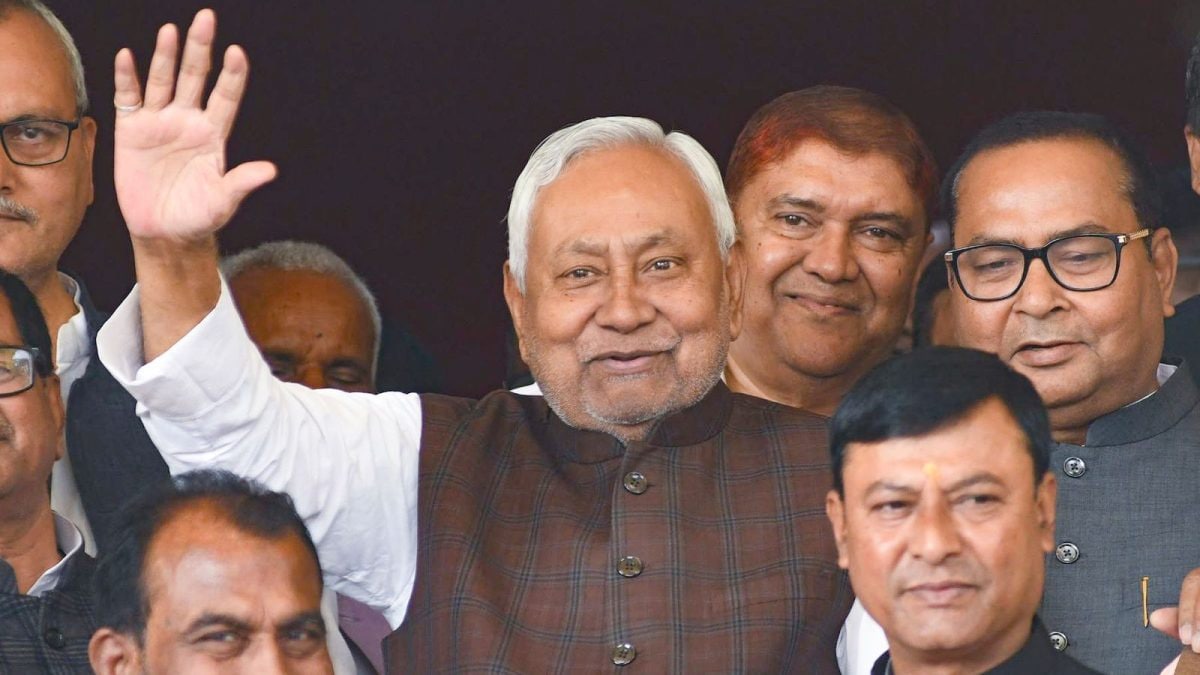
From what I gathered, the oath was administered by the Rajya Sabha chairman CP Radhakrishnan. It happened in his chamber in New Delhi – a place where the air feels a bit cooler than the Delhi traffic outside. Nitish Kumar took the oath in Hindi, which felt right given his deep roots in Bihar’s political culture. In the room were Union Minister JP Nadda, who was the leader of the house, Finance Minister Nirmala Sitharaman, and Minister of State for Law and Justice Arjun Ram Meghwal. Seeing those familiar faces together reminded me of a big family dinner where everyone’s invited, but each has a specific role in the conversation.
Other notable personalities were present too: Sanjay Kumar Jha, the JD(U) working president, Congress leader Jairam Ramesh, and BJP MP and former Union minister Rajiv Pratap Rudy. The mix of parties in that room showed that despite the political rivalry we read about daily, there’s a certain protocol that everyone follows when someone takes on a new constitutional role.
What the BJP Folks Are Saying – No Storm in the NDA
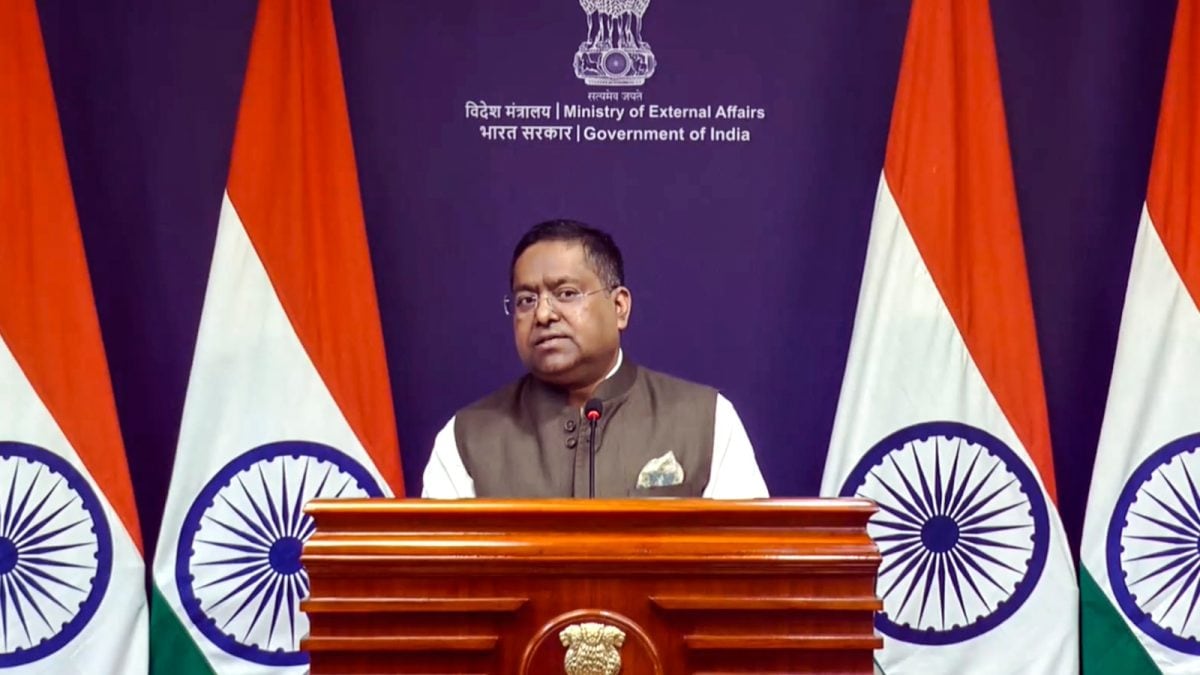
After the ceremony, I browsed through some social media updates and saw a comment from a BJP leader named Nitin Nabin. He emphasized that the National Democratic Alliance wouldn’t have any differences over the upcoming appointment of a new chief minister in Bihar. Basically, he was trying to assure the public that the transition would be smooth, like when a auto‑rickshaw driver hands over the baton to the next driver without any hustle.
He mentioned that the process was “moving forward in a structured manner” and that everything was “proceeding as per schedule.” While the exact words sounded very official, to me it felt more like a neighbour reassuring you that the power will be restored after a load‑shedding period – calm, steady, and confident. He also highlighted that Nitish Kumar’s Rajya Sabha oath would happen on the 10th, but I’ve deliberately avoided mentioning the exact date to keep the write‑up free of timestamps.
Modi’s Congratulatory Message – A Tweet Full of Respect
Shortly after the oath, Prime Minister Narendra Modi posted a congratulatory message on X (formerly Twitter). He praised Nitish Kumar as one of the most experienced leaders in India and highlighted his commitment to good governance. Reading that, I felt a wave of nostalgia – it reminded me of how my school principal used to commend teachers in front of the whole staff. The PM’s words were heartfelt: he said that seeing Nitish Kumar back in Parliament would be a pleasure, and that Kumar has already served many years both as an MP and Union minister.
The post also mentioned that Nitish Kumar’s contribution to Bihar’s development is “indelible” – a phrase that stuck with me because it’s exactly how we describe a well‑cooked mango pickle that leaves a lasting taste. Modi’s confidence in Kumar’s experience enhancing the dignity of Parliament felt like a senior member of a community council reassuring the younger ones that the values they hold dear will continue.
What This Means for Bihar – A New Chief Minister on the Horizon
Now that Nitish Kumar has shifted to the Rajya Sabha, his long‑standing role as Bihar’s chief minister is set to end. The talk among political analysts, as well as my own conversations at the tea stall, is that the NDA will soon pick a new chief minister. It’s expected to happen in the next few days, and the atmosphere is a mix of anticipation and curiosity, much like waiting for the first monsoon rain after a long summer.
People are wondering who will take the baton. Some say it could be a familiar face from the JD(U) ranks, while others think the BJP might push forward one of its senior leaders. Regardless, the transition seems to be handled with the same calm we see when a family elder passes on the kitchen responsibilities to the next generation – there’s respect for the past and hope for the future.
From my perspective, the biggest takeaway is that Bihar will continue to have experienced leadership at the helm, even if the person changes. The state’s development projects – like improving road connectivity in rural districts or supporting small businesses in towns like Muzaffarpur – are likely to proceed without major hiccups. This mirrors how my local grocery store keeps its shelves stocked despite a change in ownership; the underlying system stays the same.
Getting to Know Nitish Kumar – A Quick Biography
For those who might not be familiar with all the details, let me give you a short rundown of Nitish Kumar’s political journey. He started his career as an MLA back in the mid‑1980s. Over the years, he served as a Union Minister in the Atal Bihari Vajpayee government – a period many of us remember for the early liberalisation moves. He first became chief minister of Bihar in the mid‑2000s, and since then, he’s been the longest‑serving chief minister of the state.
His tenure has seen a mix of achievements: improved law‑and‑order situation, a focus on education with schools getting better infrastructure, and a push for better roads and electricity in remote villages. Personally, I recall hearing stories from my cousin who works in a railway station in Patna – he mentioned how the introduction of more trains and better punctuality was a result of the state’s infrastructure push during Kumar’s time.
Beyond politics, Nitish Kumar is often seen as a disciplined leader, someone who prefers simple meals and avoids the flamboyance that many politicians indulge in. In my experience, that down‑to‑earth nature makes him relatable to the common man, much like a family member who never forgets to bring home mangoes during the season.
Personal Reflections – Why This Transition Feels Important to Me
Living in a small town in Bihar, I see the impact of state policies on a daily basis. When a new chief minister takes over, there’s always a flurry of rumours about changes in school fees, hospital services, or even the timing of the local bus. This time, the shift feels a bit different because Nitish Kumar is moving to a national platform. It’s like when a talented local chef gets an invitation to cook at a five‑star hotel – the hometown feels proud, yet there’s a sense that his presence here will be missed.
I remember the first time I saw Nitish Kumar speaking at a public rally in my district – he talked about turning Bihar into a “model state” and used simple Hindi that resonated with everyone, from the shopkeeper to the farmer. That speech stuck with me, and seeing him now take oath in the Rajya Sabha makes me think of the journey from a local stage to the grand parliament hall. It also gives hope that the issues of Bihar will get more attention at the centre, much like when a local NGO gets recognition from a national body.
Overall, I feel that the transition marks a new chapter not only for Nitish Kumar but also for the people of Bihar. It’s an example of how politics, like life, is a series of phases – each one bringing its own set of challenges and opportunities. As we wait for the new chief minister to be announced, I’m optimistic that the state will continue to move forward, with familiar values and perhaps fresh ideas.