- Business Desk
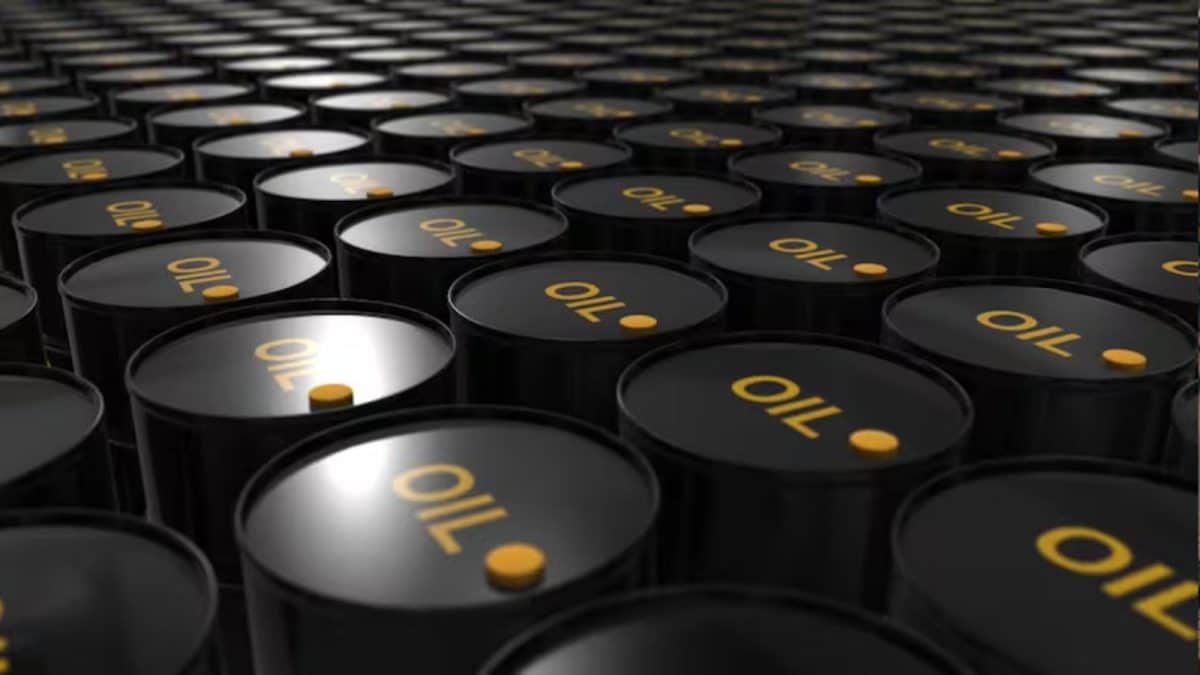
Crude oil prices have crossed $100 a barrel amid rising Israel‑Iran tensions, raising concerns about inflation and fuel costs. Here’s what the surge could mean for India’s economy
top videos
Swipe Left For Next Video
How the price jumped – a quick recap
Honestly, I was sipping my chai when the news ticker flashed that crude oil had finally breached the $100‑per‑barrel barrier. It felt like a scene from a Bollywood thriller – you know, the kind where the hero watches the market crash on a tiny TV in a cramped apartment. The main trigger, as analysts kept saying, is the flare‑up between Israel and Iran. Both nations have been exchanging threats, and every time a missile flies over the Persian Gulf, traders panic, push up futures, and the price spikes.
In most cases, the market reacts not just to the actual fighting but also to the fear of shipping disruptions. The Strait of Hormuz, a narrow waterway where a huge chunk of the world’s oil passes, is just a few kilometres away from the conflict zones. If any of those ships get stuck or worse, sunk, the supply crunch would be immediate. That’s why, even before any actual blockage, the price shot up.
Now, I’m not a financial guru, but watching the graphs on my phone, the line kept climbing, and the commentators kept shouting “prices could go higher!” It reminded me of the 2008 oil spike, only this time the backdrop is a different war.
Why India feels the heat more than many other countries
India, being the massive oil‑importer that it is, feels every little shift in the global barrel price. Unlike oil‑rich nations that can rely on their own wells, India has to buy most of its crude from the spot market. When the world price goes beyond $100, the cost of every litre of petrol or diesel in the Indian market rises proportionally.
Think about the daily commute in Delhi – the bus you take, the auto‑rickshaw you hop on, even the private car you own. All of those depend on diesel or petrol that ultimately comes from the same barrel that just crossed $100. In most cases, the retail price at the pump is a mix of the international price, taxes, and a small margin. The international part is now higher, so the final amount you pay at the pump goes up.
Besides transport, the price shock spreads to everything that needs fuel to move – from the trucks taking wheat from Punjab to the metros of Mumbai, to the tiny street vendors who rely on diesel‑powered generators for their lights. That’s why, after the news broke, I heard from a friend in Bengaluru who said his delivery guy complained that the diesel price hike was making his day’s earnings smaller.
Impact on everyday expenses – a look at the household
When diesel and petrol get expensive, the ripple effect is felt in the grocery store too. Food that travels long distances – think mangoes from Ratnagiri reaching Delhi, or tea from Assam shipped to the south – picks up transportation costs. Those extra costs end up in the price tags you see on the shelves. In most cases, it’s a modest increase – a few rupees per kilogram – but over a month, it adds up.
And then there’s the electricity angle. Although India generates a lot of power from coal, a share still comes from oil‑based generators, especially in remote areas or during peak load when coal plants are under maintenance. Higher oil prices could push up the cost of generating that power, which in turn could reflect in electricity bills for households and small businesses.
My own mother, who runs a small tailoring shop in Hyderabad, told me she’s already feeling the pinch. The cost of diesel for her little generator went up, and she worries that the next month’s electricity bill might be higher. She’s thinking about switching to a solar panel, but the upfront cost is still a hurdle.
What the government might do – possible policy moves
In most cases, when global oil prices surge, governments try to cushion the blow. India’s policymakers could consider several options. One is to adjust fuel taxes – either by delaying any planned hikes or by providing temporary relief on excise duties. Another could be to increase subsidies for diesel used by the agriculture sector, which is heavily dependent on the fuel for irrigation pumps.
There’s also talk of encouraging a shift towards alternative energy sources. The government has been pushing electric vehicles (EVs) for a while, and a spike in oil prices could act as a catalyst for more people to consider EVs, especially in metro cities where charging infrastructure is growing fast.
On a larger scale, India could also look at diversifying its import sources, perhaps increasing purchases from nations that are not directly affected by the Israel‑Iran conflict. But that’s a longer‑term strategy; the immediate impact will still be felt at the pump.
From what I gather, the finance ministry is already monitoring the situation closely, and there might be a statement in the coming days about possible relief measures. Most of us just hope they keep the pressure on the common man minimal.
How businesses are coping – from big firms to small traders
Large corporations usually have hedging strategies – they lock in prices for oil months in advance, so a sudden spike doesn’t hit them as hard. Smaller businesses, however, often don’t have that luxury. For a mom‑and‑pop store that relies on a diesel generator for refrigeration, a 10‑15% rise in diesel cost can cut straight into profit.
Take the example of a logistics company in Chennai that I chatted with on a video call. The owner said he’s already seeing an increase in the cost of diesel for his fleet of trucks. He’s trying to optimise routes, reduce idle time, and even negotiate better rates with his diesel supplier, but the margin is thin.
In the manufacturing sector, higher energy costs can force companies to raise the price of their finished products. A small textile unit in Surat, for instance, might have to increase the price of its cotton shirts by a few rupees. That extra cost will eventually be carried by the consumer.
Overall, the picture is that while big players can absorb the shock to an extent, the smaller ones feel it more acutely, and that could lead to a rise in the price of everyday goods.
What you can do – practical tips for the common Indian
First, keep an eye on fuel prices at your local pump. In many cities, you can check the daily rates online or via WhatsApp groups. Knowing when the price spikes can help you plan trips – maybe combine errands into a single outing to save on fuel.
Second, consider car‑pooling or using public transport more often. If you live in a city with decent metro or bus services, those are usually cheaper than riding a private vehicle when fuel costs are high.
Third, if you have a diesel generator at home, try to use it only when absolutely necessary. Many people keep it running even when electricity is stable, just out of habit. Cutting down on those hours can save a fair amount.
Lastly, think about long‑term energy choices. While the upfront cost of an LED lighting system or a small rooftop solar panel might seem high, the savings over a year can offset the initial spend, especially when oil prices are soaring.
These are small steps, but when many people adopt them, the collective impact can ease the pressure on the economy.
Bottom line – why this matters for every Indian
When you hear that crude oil has crossed $100 per barrel because of the Israel‑Iran conflict, it can sound like something far away, something that only affects oil traders in New York. But the reality is far more personal. The price of a litre of petrol at the pump, the cost of a kilogram of wheat, the electricity bill for your home – all of these are linked to that global barrel price.
In most cases, the ripple starts with higher fuel costs, spreads to transportation, then to goods, and finally shows up in inflation numbers that the Reserve Bank of India watches closely. For a country like India, where a large share of the population lives on modest incomes, even a small rise in everyday expenses can feel like a big burden.
So, while we wait for diplomatic talks to calm the Israel‑Iran situation and for the market to stabilise, it makes sense to stay informed, adjust small habits, and keep an eye on what the government announces. After all, staying prepared is the best way to shield our wallets from the next wave of price shocks.