Oil Prices Surge as Iran–United States Ceasefire Dispute Sparks Global Supply Concerns
Iran’s parliamentary speaker Mohammad Bagher Ghalibaf alleges United States breach of cease‑fire terms
Oil markets experienced a marked rebound after Iran’s parliamentary speaker Mohammad Bagher Ghalibaf publicly accused the United States of breaching key elements of a recently negotiated two‑week cease‑fire aGreement. The accusation introduced fresh uncertainty about a possible escalation that could imperil the steady flow of energy worldwide.
Brent crude futures for June delivery registered a rise of 2.52 % and settled at $97.14 per barrel. In parallel, United States West Texas Intermediate (WTI) crude for May delivery climbed 2.72 % to close at $96.96 per barrel. These gains reversed a sharp decline that had occurred the previous trading session, when United States crude experienced its most significant single‑day loss since a historic downturn many years ago.
Statement from Iran’s parliamentary speaker Mohammad Bagher Ghalibaf
Iran’s parliamentary speaker Mohammad Bagher Ghalibaf issued a forceful statement on a social‑media platform, declaring that the United States had once again violated the cease‑fire terms. Mohammad Bagher Ghalibaf emphasized that the deep historical distrust that Iran holds toward the United States stems from a pattern of repeated violations of all forms of commitments, a pattern that Mohammad Bagher Ghalibaf said has regrettably been repeated in the present case.
“The deep historical distrust we hold toward the United States stems from its repeated violations of all forms of commitments — a pattern that has regrettably been repeated once again,” Mohammad Bagher Ghalibaf wrote.
Impact on maritime traffic through the Strait of Hormuz
Shipping companies operating in the region announced that they are awaiting greater clarity on the precise parameters of the cease‑fire before resuming regular transit through the strategic Strait of Hormuz. The lingering security concerns have prompted a cautious stance among commercial operators.
Iran has produced navigational maps that outline routes designed to steer vessels around mined zones. In addition, Iran has identified specific safe corridors in coordination with Iran’s Revolutionary Guards, according to reports circulated by Iranian media outlets.
Standard Chartered analysts highlighted that risk levels in the waterway remain elevated. “Transit through the Strait of Hormuz is not suddenly risk‑free. It remains at Iran’s discretion,” the analysts explained, adding that logistical disruptions, heightened security concerns, increasing insurance premiums, and operational constraints could all limit any near‑term surge in energy flows.
Regional energy infrastructure vulnerability
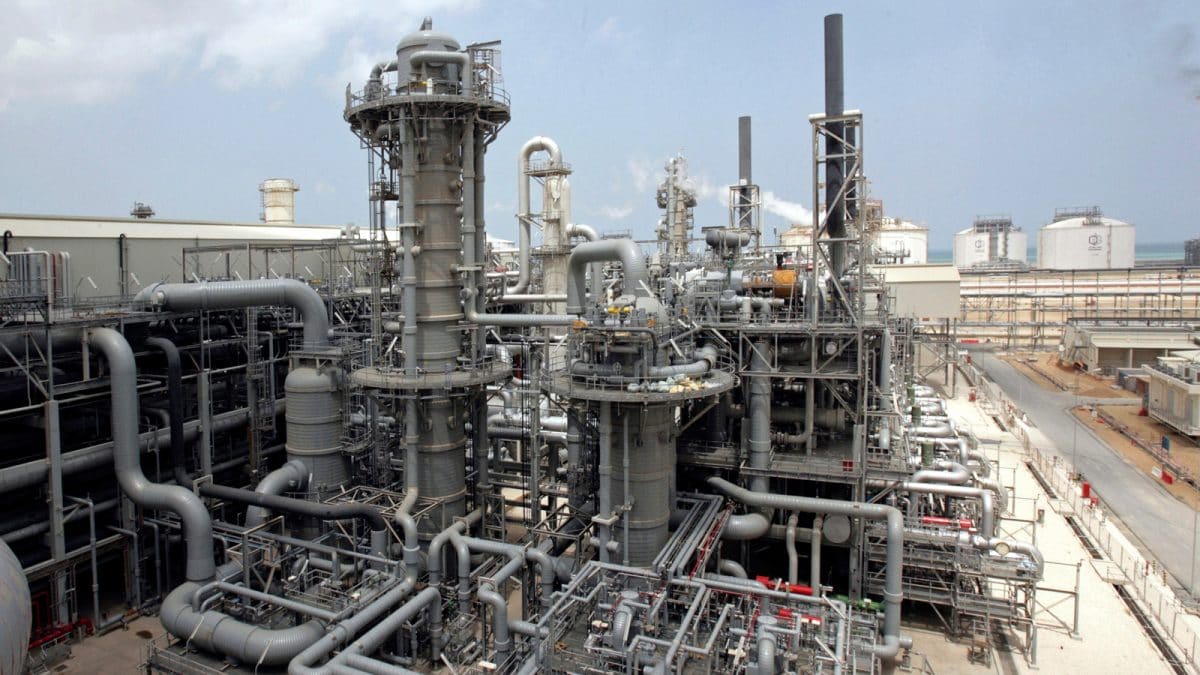
Beyond the maritime corridor, regional energy infrastructure continues to face exposure to potential attacks. Iran has reportedly struck facilities in neighboring states after the cease‑fire began, including a Saudi Arabian pipeline that serves as an alternative route to bypass the Strait of Hormuz. The same source noted that Kuwait, Bahrain, and the United Arab Emirates have each reported missile and drone incidents that target energy‑related installations.
These incidents underscore the fragility of energy supply lines that extend beyond the narrow waterway, indicating that any broader conflict could reverberate across multiple national grids and refinery networks.
Analyst perspectives on cease‑fire durability
Haitong Futures analysts expressed that uncertainty continues to loom over the durability of the cease‑fire. The analysts pointed to ongoing attacks throughout the region and mixed signals regarding the operational status of the Strait of Hormuz as indicators that the truce may not hold for an extended period.
According to Haitong Futures, “the persistence of hostile actions and the ambiguity surrounding the enforcement of the cease‑fire contribute to a market environment where oil prices remain highly sensitive to geopolitical developments.”
Broader market implications
The rise in oil prices reflects the market’s immediate reaction to the heightened geopolitical risk. Traders have adjusted their positions, factoring in the potential for supply constraints that could arise if the Strait of Hormuz experiences renewed hostility or if regional pipelines suffer further disruptions.
Investment funds that focus on energy commodities have rebalanced portfolios to increase exposure to Brent and United States WTI futures, anticipating that any escalation could drive prices higher. At the same time, insurers have raised premiums for vessels operating in the Gulf region, a cost that could be passed on to shippers and ultimately to end‑users of petroleum products.
Governments that rely heavily on imported oil are monitoring the situation closely. The possibility of renewed disruptions has prompted contingency planning, including the stockpiling of strategic petroleum reserves and the exploration of alternative supply routes that bypass the Strait of Hormuz.
Outlook and potential scenarios
Should Iran continue to assert that the United States has violated the cease‑fire, diplomatic channels may experience further strain. A prolonged impasse could lead to a scenario where shipping companies postpone full resumption of transit, maintaining a cautious approach that limits oil flow through the strait.
Conversely, if both Iran and the United States engage in confidence‑building measures that clarify the cease‑fire terms, there is a potential for a gradual de‑escalation. In such a case, the Strait of Hormuz could see a phased return of commercial traffic, easing pressure on global oil supplies and stabilizing price movements.
Nevertheless, analysts from Standard Chartered and Haitong Futures aGree that the near‑term environment is characterized by heightened volatility. Both institutions stress that market participants should remain vigilant, as any flashpoint could quickly translate into price spikes.