Planning a Sri Lanka Trip? Expect Higher Costs and How to Manage Them
Sri Lanka’s economy is deeply dependent on imported energy. This means even a slight rise in global crude oil prices quickly trickles down to everyday costs.
Why Prices Are Rising
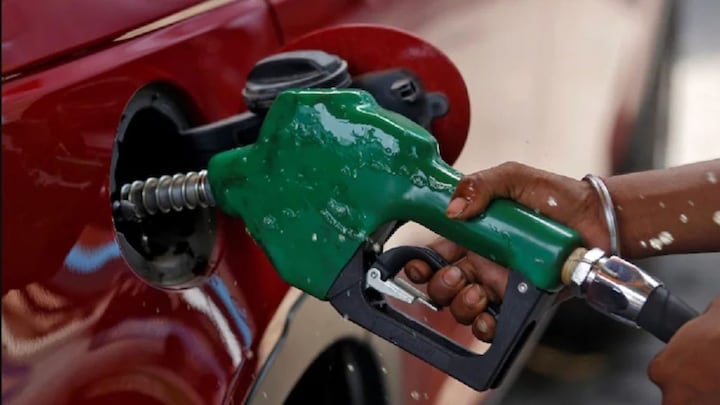
Sri Lanka, long celebrated as one of Asia’s most budget‑friendly island destinations, is now feeling the pressure of higher fuel costs. Global crude oil prices have climbed amid heightened geopolitical tensions, especially the ongoing conflict in the Middle East that involves the United States, Israel and Iran. Because Sri Lanka imports the vast majority of its energy, any increase in the price of crude oil immediately raises the nation’s import bill.
Recent market data show that Sri Lanka has already lifted fuel prices by close to a quarter. The adjustment reflects disruptions in worldwide oil supply chains and the higher cost of securing shipments. Economists warn that further escalation in oil prices could magnify the impact, given Sri Lanka’s heavy reliance on imported fuel for transportation, electricity generation and industrial processes.
How This Impacts Your Travel Budget
Economic assessments indicate that a larger fuel import bill translates directly into higher costs for transport, electricity and production across every sector of the economy. For visitors, the ripple effect touches almost every line item in a typical itinerary.
Transport costs will rise: From tuk‑tuks and private taxis to intercity buses, fuel‑related price hikes push fares upward almost immediately. Guided tours that already incorporate transportation, such as safari trips or heritage site shuttles, are likely to see noticeable increases.
Airfares may increase: Airlines calculate ticket prices in part on the cost of jet fuel. When global fuel prices surge, airlines often pass those costs onto passengers. Air Asia, a major carrier that serves Sri Lanka, has announced a fare increase that lifts ticket prices by roughly a third to two‑thirds.
Hotel and food prices could climb: Hotels depend on fuel for electricity, air conditioning and logistics. Restaurants face higher input costs for cooking oil, imported spices and refrigeration. These added expenses typically appear as higher room rates and menu prices.
Tourist hotspots may feel more expensive: Since the 2022 economic crisis, Sri Lanka has been working to earn foreign exchange, a factor that already nudged tourism‑related fees upward. Entry fees, guided excursions and even basic services in popular locations are becoming steeper as the nation balances revenue needs with visitor experience.
Detailed Look at Cost Drivers
Transportation on the Ground
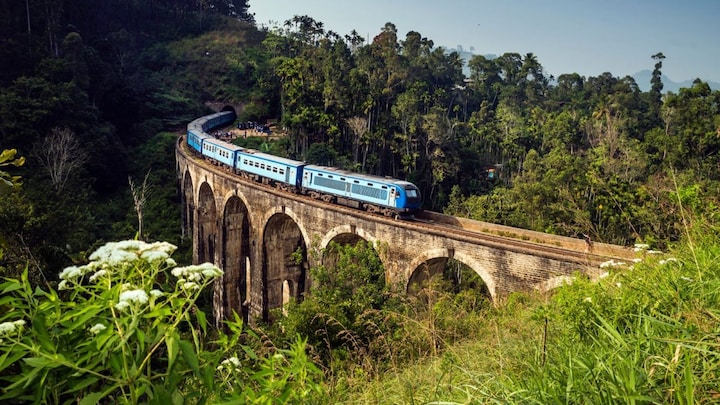
Public buses and the iconic railway network have historically offered the cheapest way to travel across Sri Lanka. While these options remain affordable, they are not immune to fuel price pressures. Bus operators have begun modestly raising fares to offset higher diesel costs, and train operators are evaluating similar adjustments.
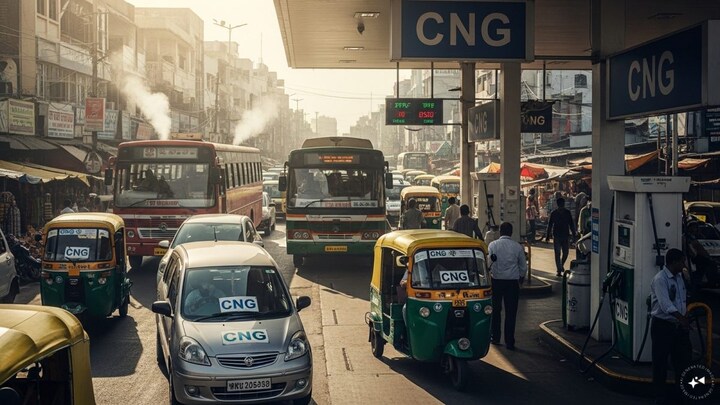
Private transportation, including tuk‑tuks, rental cars and ride‑hailing services, experiences a sharper price increase because operating costs rise directly with fuel consumption. Travelers who rely heavily on private rides should expect a noticeable bump in daily expenses.
Aviation Costs
Jet fuel constitutes a significant portion of an airline’s operating budget. When global oil prices ascend, airlines such as Air Asia revise their fare structures to preserve profitability. The recent fare hike announced by Air Asia pushes ticket costs upward by thirty to forty percent, a shift that will be felt most strongly by international travelers entering Sri Lanka.
Accommodation Expenses
Hotels ranging from budget guesthouses to luxury resorts depend on a steady supply of electricity for lighting, climate control and water heating. Higher energy costs compel property owners to adjust room rates to cover rising utility bills. Even budget accommodations, which traditionally offered rates as low as a few dollars per night, may see incremental increases.
Food and Beverage Costs
Restaurants source many ingredients locally, yet spices, certain seafood items and imported goods still travel from abroad, incurring fuel‑driven freight charges. Kitchen staff also require electricity for cooking appliances and refrigeration. As a result, menu prices at both upscale eateries and modest street‑food stalls are expected to inch upward.
Tourist Activity Fees
Popular attractions—including UNESCO World Heritage sites, wildlife reserves and cultural museums—charge entry fees that help fund maintenance and conservation. In an effort to generate additional foreign exchange, many of these sites have modestly raised their fees since the last economic downturn. The current environment of higher operational costs reinforces the trend toward slightly higher visitor charges.
Tips to Keep a Sri Lanka Trip Budget‑Friendly
Despite the upward pressure on prices, Sri Lanka still offers a spectrum of travel options that can suit a range of budgets. For travelers originating from neighboring countries, a budget‑oriented itinerary can be managed within a daily spend of roughly two thousand to three thousand five hundred local currency units, while a mid‑range experience typically falls between four thousand and seven thousand five hundred local currency units per day. The key variable now is the level of price variability—travel style and planning decisions will have a pronounced impact on the final spend.
Below are actionable strategies that can help stretch a travel budget without sacrificing the essence of a Sri Lanka adventure.
- Prioritize public transport: Sri Lanka’s railway lines traverse breathtaking scenery, and the bus network reaches even remote villages. Using these services dramatically reduces daily transportation costs compared with private hires.
- Opt for guesthouses and homestays: Local stays provide authentic cultural immersion at a fraction of resort rates. Many guesthouses include complimentary breakfast, further trimming food expenses.
- Dine at local eateries: Street food stalls and family‑run restaurants serve flavorful meals for just a few dollars per plate. Sampling regional specialties in these venues delivers both culinary delight and savings.
- Book accommodations and tours early: Securing reservations well in advance locks in lower rates and shields travelers from sudden price surges that can occur when demand spikes.
- Choose group tours over private charters: Shared excursions spread guide fees and transportation costs across multiple participants, making cultural and nature experiences more affordable.
- Plan self‑guided explorations where possible: Researching trekking routes, historic landmarks and public beaches enables travelers to enjoy many attractions without incurring guide fees.
- Carry a reusable water bottle: Purchasing bottled water frequently adds up. Refilling at safe tap sources or filtered stations reduces both cost and plastic waste.
- Negotiate rates for longer stays: Many guesthouses offer discounted nightly rates for extended bookings, providing savings for travelers who wish to linger in one location.
By integrating these practices, visitors can navigate the rising cost environment while still experiencing Sri Lanka’s rich heritage, vibrant culture and natural beauty.
Looking Ahead
The interplay between global oil markets and Sri Lanka’s import‑dependent energy strategy suggests that price volatility will remain a factor in the near term. Travelers who remain flexible, plan ahead and embrace cost‑saving habits will be best positioned to enjoy the island without excessive financial strain.
While the headline figures indicate higher fuel, transport and accommodation costs, the core allure of Sri Lanka—its historic temples, emerald‑Green tea plantations, pristine beaches and warm hospitality—continues to offer value that transcends price tags. Thoughtful budgeting, coupled with a willingness to explore off‑the‑beaten‑path options, ensures that a Sri Lanka adventure remains within reach for most travelers.