Reserve Bank of India Monetary Policy Committee Convenes Amid Heightened Global Tensions and Domestic Inflationary Pressures
Context of the Current Monetary Policy Review
Reserve Bank of India Monetary Policy Committee, chaired by Governor Sanjay Malhotra, is slated to meet over a three‑day session. The gathering occurs against a backdrop of escalating uncertainty stemming from the ongoing West Asia conflict, sharply rising crude oil prices, a depreciating rupee and heightened concerns about the continuity of global energy supplies. This meeting represents the inaugural policy review for the fiscal year that began in the year 2026‑27.
The international environment has become increasingly volatile as geopolitical tensions have intensified market fluctuations. Commodity markets, particularly those for energy, have registered pronounced price spikes, prompting a fresh wave of inflationary worries for emerging economies that depend heavily on imported inputs. For India, the confluence of these external disturbances translates into heightened imported inflation, amplified currency pressures and the specter of potential interruptions in the flow of essential fuels.
Market participants, analysts and academic observers are poised to scrutinise the outcome of the deliberations. The decision taken by Reserve Bank of India Monetary Policy Committee will serve as a signal of how the central banking authority intends to steer the macro‑economic trajectory in the face of a rapidly shifting risk landscape.
External Shock Factors Shaping the Policy Debate
The West Asia conflict has injected a fresh layer of complexity into global energy markets. Disruptions near the strategic chokepoint of the Strait of Hormuz have propelled crude oil prices above the $100 per barrel threshold. Such a pricing level mirrors the severity of market disturbances witnessed during the oil crisis of the early 1970s, underscoring the magnitude of the current shock.
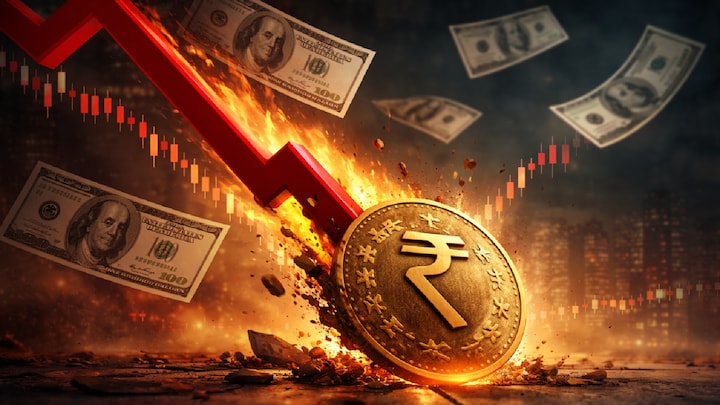
At the same time, the rupee has slipped beyond the ninety‑three per United States dollar mark. This depreciation amplifies the cost of imported goods, especially petroleum‑derived products, thereby feeding directly into the consumer price index. Imported inflation has already breached the five‑point‑four percent level and is projected to ascend further as the external price environment remains unsettled.
Domestic price dynamics are further compounded by weather‑related uncertainties. Climate forecasts point toward the possibility of a super El Niño episode, an atmospheric phenomenon that could exacerbate agricultural price volatility and reinforce upward pressure on the overall consumer price index.
Collectively, these external threads weave a tapestry of risk that places Reserve Reserve Bank of India Monetary Policy Committee in a position where policy caution becomes a paramount consideration.
Domestic Inflation Outlook and Core Price Pressures
Analysts from SBI Research have highlighted that the consumer price index is likely to stay above the four‑point‑five percent threshold for at least three successive quarters. The persistence of inflation above this level reflects both the direct transmission of higher imported costs and the indirect influence of supply‑side constraints in key domestic sectors.
The trajectory of food prices, in particular, is susceptible to the aforementioned weather patterns. A super El Niño scenario could reduce agricultural yields, narrowing supply and further lifting market prices. Such a development would reinforce the upward trend already observed in headline inflation figures.
Beyond food, energy costs remain a pivotal driver. The sustained elevation of crude oil prices feeds into transportation and manufacturing expenses, creating a cascade effect that radiates through the economy. Even modest shifts in the rupee’s exchange rate can magnify these effects, given the high import intensity of India’s energy basket.
In this environment, the cumulative impact of imported price shocks, currency depreciation and domestic supply constraints forms a confluence that challenges any immediate move toward policy tightening.
External Financial Vulnerabilities and Capital Flow Dynamics
SBI Research has drawn attention to a pronounced outflow of foreign institutional capital during the fiscal year that concluded in the year 2026. A total of sixteen‑point‑six billion United States dollars has exited the Indian market, marking the steepest withdrawal since the early 1990s. This capital exodus exerts downward pressure on the rupee and raises concerns about the sustainability of external financing.
The balance of payments outlook for the subsequent fiscal year points toward a continued deficit. Persistent current account gaps, combined with the heightened volatility in capital flows, suggest that external financing conditions could remain constrained.
These financial pressures add another layer of complexity to the policy calculus. While domestic inflationary forces already warrant a vigilant stance, the added strain of capital outflows and potential balance of payments deficits amplifies the need for a measured approach.
Policy Expectations and Communication Strategy
SBI Research anticipates that Reserve Reserve Bank of India Monetary Policy Committee will opt to keep the policy repo rate unchanged during the upcoming session. The justification for this stance rests on the fluidity of the global environment, the still‑evolving nature of the West Asia conflict and the intertwined domestic price pressures that have yet to fully crystallise.
Given that this meeting represents the first policy review conducted after the escalation of the West Asia conflict, Reserve Reserve Bank of India Monetary Policy Committee is expected to exercise heightened prudence in its public communications. A careful messaging approach will be essential to manage market expectations while signalling a readiness to respond should the risk landscape shift dramatically.
In practice, Reserve Reserve Bank of India Monetary Policy Committee may choose to reiterate its commitment to a flexible inflation target framework, underscore the importance of maintaining financial stability and highlight the central bank’s willingness to adjust policy parameters in response to new data. Such a narrative would align with the cautious tone that analysts have identified as likely under the prevailing circumstances.
Implications for Stakeholders and Future Outlook
For investors, the expectation of a steady repo rate signals a continuation of the current financing costs, allowing for a deGree of predictability in debt servicing and credit pricing. However, the ongoing external vulnerabilities mean that market participants must remain vigilant to sudden spikes in commodity prices or abrupt currency movements.
For businesses, especially those reliant on imported inputs, the combination of a weakening rupee and elevated crude oil pricing will likely sustain cost pressures. Companies may need to explore hedging strategies or adjust pricing mechanisms to safeguard margins.
For households, the trajectory of consumer price inflation suggests that real purchasing power could face headwinds in the coming months. The interplay between higher food prices, elevated energy costs and wage growth will determine the net effect on living standards.
Looking ahead, the evolution of the West Asia conflict, the pace of crude oil price adjustments, the performance of the rupee and the behaviour of foreign institutional investors will remain pivotal variables. Reserve Reserve Bank of India Monetary Policy Committee’s future decisions will be anchored to the data emerging from these domains, with a clear emphasis on balancing price stability against growth considerations.