Planning An AirAsia Flight? Expect Higher Costs Amid Fuel Surge
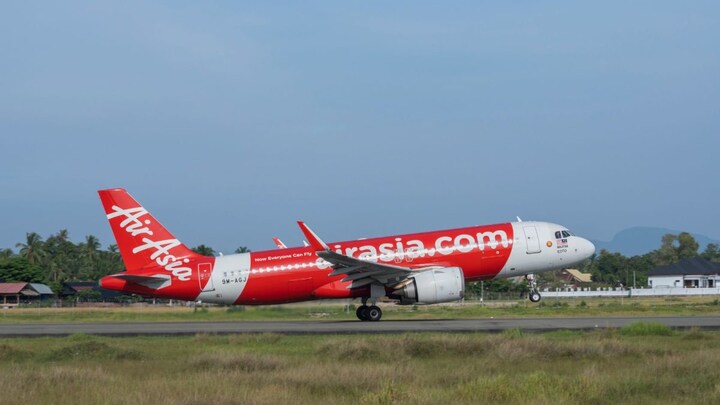
AirAsia announces a 30‑40 % rise in airfares as jet fuel costs climb amid the US‑Israel‑Iran war.
Overview Of The New Pricing Structure
Passengers intending to secure a seat on an AirAsia flight should prepare for a noticeable jump in the amount paid for each ticket. AirAsia has formally communicated a price adjustment that translates into a 31 % to 40 % increase across the fare spectrum. In addition to the base‑fare uplift, AirAsia is introducing a fuel surcharge that hovers near 20 % of the ticket price. Simultaneously, AirAsia will decrease the frequency of services on routes that generate limited revenue, thereby reshaping the network that has traditionally emphasized low‑cost connectivity.
The combined effect of a higher base fare, a dedicated fuel surcharge and a reduced flight schedule marks a strategic pivot for AirAsia, an airline long celebrated for its commitment to budget travel. This shift reflects the airline’s response to external cost pressures rather than a purely demand‑driven decision.
Root Causes Behind The Fare Increase
The primary catalyst for AirAsia’s pricing overhaul is the escalation of jet fuel costs, a direct outcome of the US‑Israel‑Iran war that has intensified geopolitical tension across the Middle East. The conflict has disrupted oil production and transportation, causing global crude‑oil benchmarks to climb sharply. As jet fuel derives its price from these benchmarks, AirAsia confronts a situation where fuel expenses have nearly doubled compared with the previous year.
Fuel represents one of the largest operating expenditures for any airline, and the abrupt surge leaves AirAsia with limited capacity to absorb the cost internally. AirAsia’s leadership has underscored that the new fare levels are "unavoidable" because the carrier can no longer shield passengers entirely from the rising fuel bill without jeopardizing financial stability.
Beyond the direct impact of the US‑Israel‑Iran war, several Asian regions are experiencing constraints in fuel supply. These constraints compel AirAsia to re‑evaluate route economics, leading to the elimination of flights on marginally profitable corridors. The reduction in flight frequency further narrows the options available to travelers, magnifying the financial pressure on those seeking budget air travel.
Implications For Travelers
Higher ticket costs and a slimmer flight schedule translate into a more challenging environment for passengers who have traditionally relied on AirAsia for inexpensive travel. Even short‑haul journeys that once fell comfortably within a budget framework may now appear relatively costly. Long‑haul itineraries, which already command higher base fares, are subject to an additional layer of expense that could push them beyond the reach of some travelers.
With capacity curtailed on specific routes, passengers may encounter fewer departure options, longer layovers, or the necessity to route through alternative hubs. The reduced competition on certain corridors may also diminish the price‑competition advantage that AirAsia historically enjoyed.
Travelers who wait until the last minute to confirm their plans risk encountering even steeper price tags. The combination of limited seat availability and sustained demand for air travel creates a market environment where late‑booking premiums become more pronounced.
The ripple effect of the US‑Israel‑Iran war on fuel pricing is not confined to AirAsia alone. Airlines worldwide are either lifting their standard fares or appending fuel surcharges to offset the heightened expense. Industry analysts project that as long as the geopolitical situation continues to disturb fuel supply chains, the upward trajectory of airfare inflation is likely to persist.
Strategic Advice For Prospective Passengers
To mitigate the financial impact of AirAsia’s revised pricing, travelers are encouraged to adopt a proactive booking approach. Securing tickets well in advance can lock in fares before further adjustments occur, especially if jet‑fuel prices remain elevated for an extended period.
Flexibility in travel dates emerges as a powerful tool for cost reduction. Mid‑week departures and off‑peak travel windows have historically yielded lower price points, and this pattern is expected to remain valid under the current pricing regime.
Travelers should also remain vigilant for promotional campaigns, flash sales, and limited‑time discount codes that AirAsia occasionally releases. While the base fare may have risen, strategic use of promotional offers can offset a portion of the added expense.
Avoiding peak travel periods—such as major holiday seasons, cultural festivals, and school vacation windows—can further protect passengers from inflated fares. During these high‑demand intervals, airlines, including AirAsia, typically apply additional pricing premiums.
Finally, passengers should monitor the evolution of fuel‑related cost pressures. Should the US‑Israel‑Iran war de‑escalate or alternative fuel supply routes stabilize, the intensity of the surcharge may ease, potentially prompting AirAsia to revisit its pricing structure.
Long‑Term Outlook For Budget Air Travel
AirAsia’s decision to raise fares and apply a fuel surcharge signals a broader shift in the budget‑airline segment. When fuel costs climb beyond a sustainable threshold, even carriers built on a low‑cost model must adjust their financial equations. The current environment challenges the core promise of ultra‑low fares, compelling airlines to balance affordability with operational viability.
Industry observers suggest that the current price environment may encourage further consolidation of routes, greater emphasis on ancillary revenue streams, and intensified focus on operational efficiency. Passengers can anticipate a landscape in which low‑cost carriers, including AirAsia, prioritize profitability to ensure long‑term service continuity.
In this evolving scenario, passenger expectations may also shift. Travelers accustomed to ultra‑discounted fares may need to accommodate higher baseline prices while still benefiting from the ancillary cost savings that budget carriers traditionally provide, such as no‑frills service, optional baggage fees, and la carte seat selection.
Overall, the interplay between geopolitical events, fuel pricing, and airline cost structures will continue to define the affordability of air travel. AirAsia’s pricing adjustment serves as a concrete illustration of how external macro‑economic forces can directly reshape the cost landscape for consumers seeking budget air transportation.