Thirteen Fatalities Reported After Bombardment of Residential Block Near Tehran and Strike on Sharif University Campus
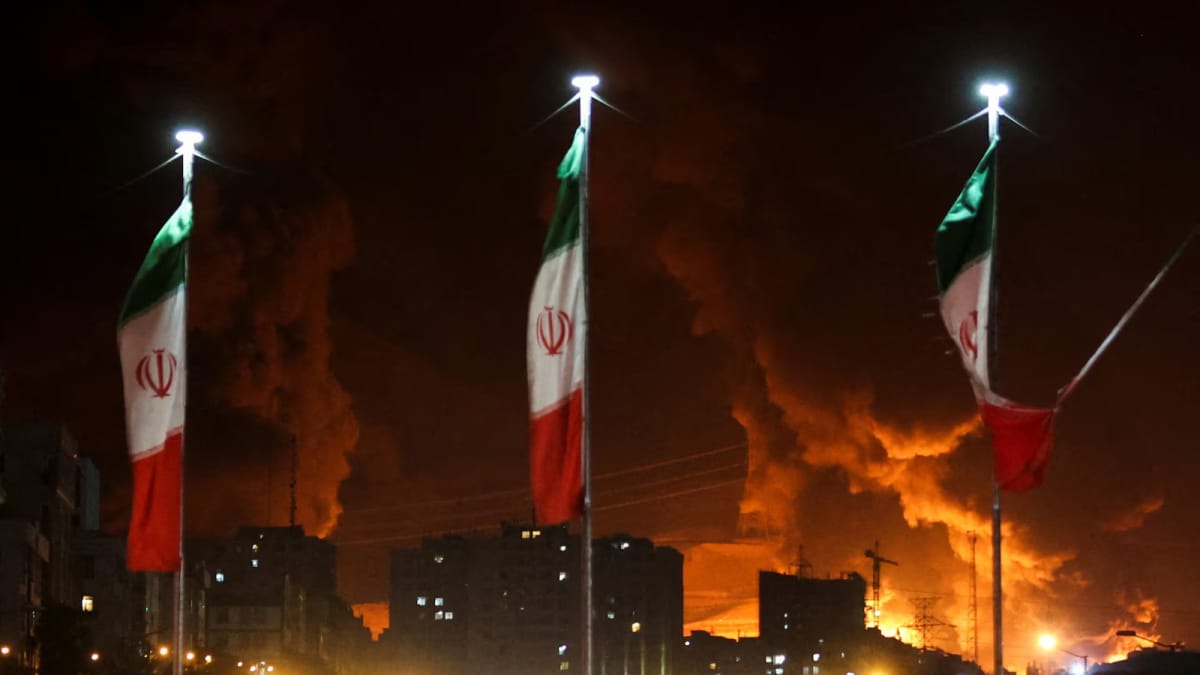
Air raid on a residential complex near Tehran results in thirteen casualties
According to reports from the semi‑official Fars news agency and Nour News, an aerial bombardment struck a housing complex situated in the city Eslamshahr, located southwest of the capital Tehran. The attack claimed the lives of at least thirteen individuals and caused extensive damage to the surrounding dwellings.
The precise objective of the strike remains undisclosed. Neither Israel nor the United Nations‑backed coalition has formally acknowledged responsibility for the operation, and official statements from Iran have not identified a specific target within the residential area.
Authorities have launched investigations to determine whether the building housed any strategic installations, but the available information suggests that the complex functioned primarily as a civilian residential block.
Sharif University of Technology campus sustains damage in a separate attack
In a parallel development, Iranian media reported that the Sharif University of Technology, a prominent higher‑education institution in Tehran, experienced an aerial strike that damaged several structures on the campus grounds. The reports also indicated collateral damage to a nearby natural‑gas distribution facility.
Specific details regarding the exact site within the university that was targeted have not been released. The campus currently remains empty, as academic activities have been transitioned to an online format in response to the broader security situation.
Sharif University of Technology has previously been subject to international scrutiny and sanctions due to alleged connections with the Islamic Revolutionary Guard Corps and its ballistic‑missile program. Security services are reported to have utilized alternative locations for operational purposes in light of the ongoing series of attacks.
Additional strike reported in Qom’s residential district
The state‑owned newspaper IRAN disclosed that another aerial assault hit a residential neighbourhood in the city Qom, a major Shiite religious centre situated south of Tehran. Preliminary counts indicate that at least five persons lost their lives in that incident.
As with the earlier attacks, the intended target of the strike on Qom has not been clarified by any involved party.
Overall casualty figures and material losses remain uncertain
Iranian officials have not yet provided a consolidated tally of fatalities, injuries, or the extent of property damage resulting from the series of recent air operations. The lack of comprehensive data reflects the rapidly evolving security environment across the region.
Background to the ongoing West Asian confrontation
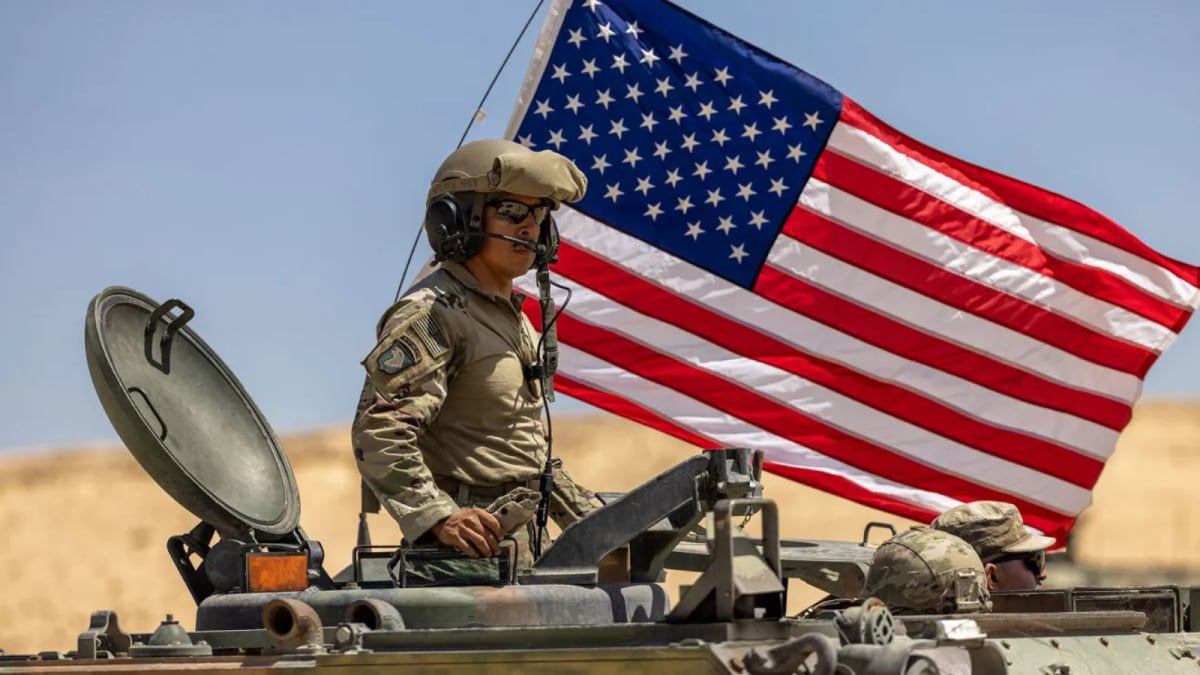
The hostilities that have intensified across West Asia trace their origins to longstanding disputes over Iran’s nuclear ambitions, regional influence, and a series of diplomatic breakdowns. A significant escalation occurred when the United States and Israel launched extensive aerial campaigns against multiple sites within Iran, citing concerns over missile development facilities, leadership compounds, and nuclear infrastructure.
In response, Iran executed a series of retaliatory missile and drone strikes targeting locations in Israel, United States‑affiliated installations, and critical energy infrastructure throughout the Gulf region. The reciprocal attacks have broadened the scope of the conflict, affecting civilian populations and disrupting international oil markets.
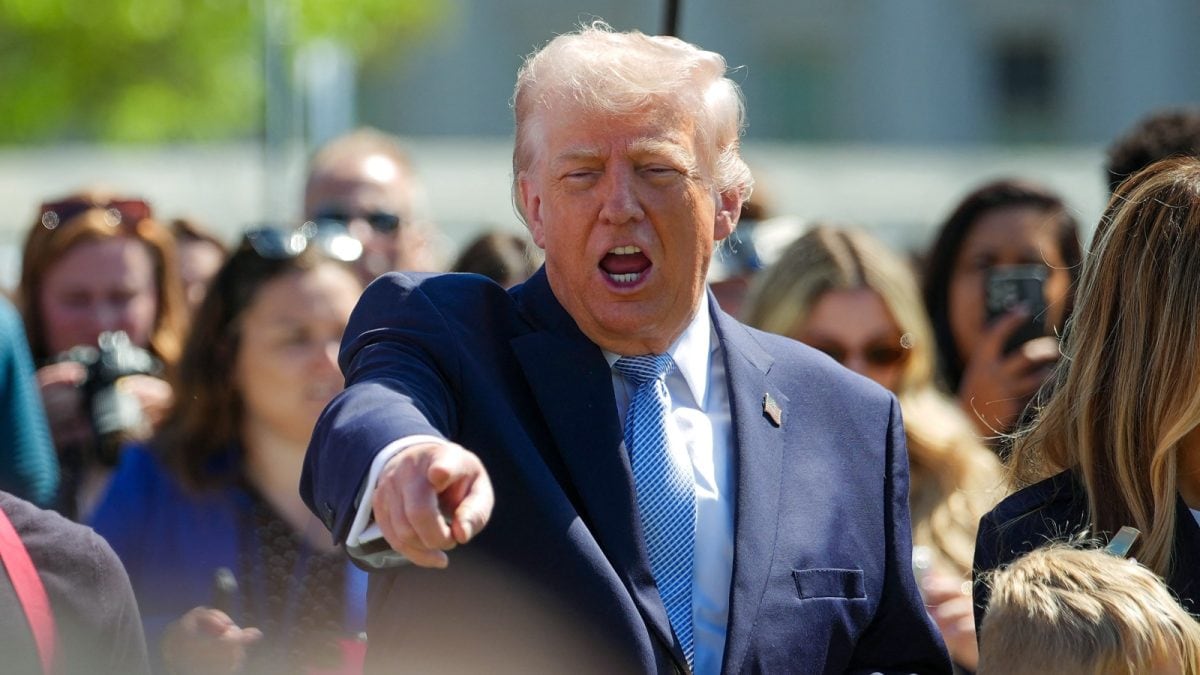
Donald Trump, the President of the United States, previously issued stern warnings urging Iran to reopen the strategic waterway that connects the Persian Gulf with the broader oceanic routes, threatening further consequences should the demand go unmet. These statements heightened diplomatic tensions and contributed to the prevailing atmosphere of uncertainty.
The escalation has prompted a range of international actors to call for restraint and to seek avenues for de‑escalation, while simultaneously monitoring the humanitarian impact on civilians residing in affected urban centres such as Tehran, Eslamshahr, and Qom.
Despite the intensity of the confrontations, the exact motives behind each specific strike—including those that impacted residential zones and academic institutions—remain ambiguous, underscoring the complex nature of modern aerial warfare where civilian and military targets can intersect.