Two Eclipses Within Fifteen Days Stir Astrological Concern, Says News18
Astrological Interpretation of a Tight Eclipse Sequence
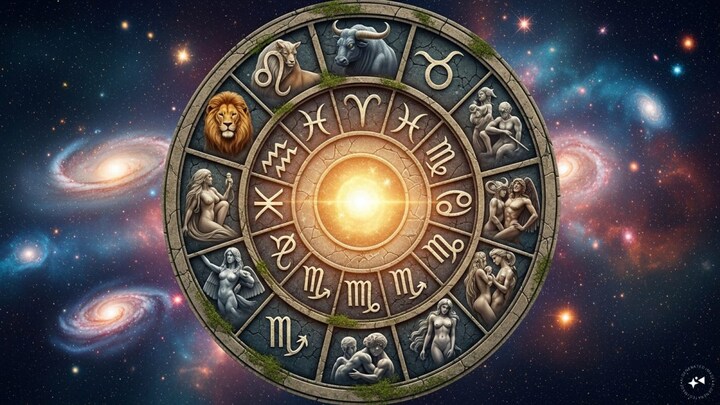
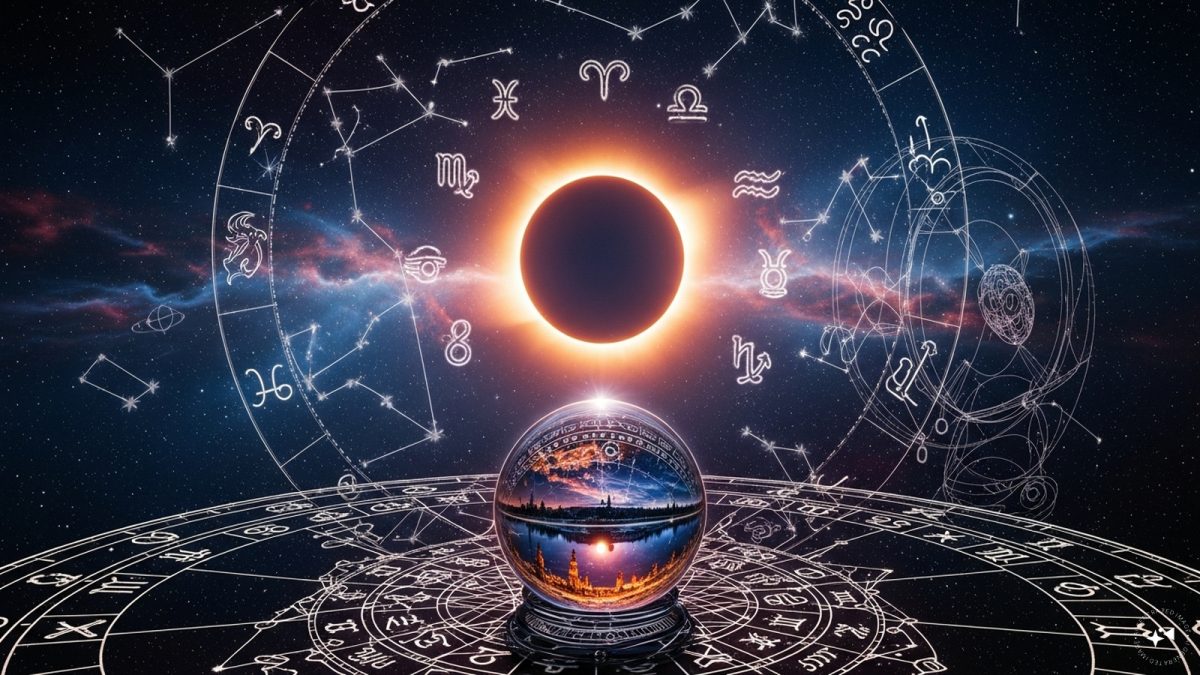
When two eclipses fall within a short span of fifteen days, astrologers across the globe interpret the alignment as a powerful catalyst for societal shifts. The celestial configuration is believed to amplify existing currents, making it a period when hidden tensions surface and collective mood can swing dramatically. The phenomenon has drawn attention not only from enthusiasts of the night sky but also from scholars who study the cultural impact of astronomical events.
According to traditional astrological theory, eclipses act as mirrors that reflect the underlying state of the world. A single eclipse can bring about a moment of revelation or disruption; a cluster of eclipses, especially when compressed into a brief interval, is thought to intensify that effect. The current situation—two eclipses occurring within fifteen days—has therefore become a focal point for speculation regarding political, social, and economic repercussions.
Linking Eclipse Clusters to Public Unrest
One recurring theme in astrological forecasts is the association between eclipse clusters and heightened friction between leaders and the citizenry. Practitioners argue that the gravitational symbolism of the eclipses can manifest as power struggles, prompting officials to feel pressure while prompting citizens to voice dissent. The resulting atmosphere may give rise to protests, blame‑shifting, and a sense of uncertainty that can ripple through markets and households alike.
In the past, astrologers have pointed to periods when multiple eclipses coincided with major demonstrations, social movements, or abrupt policy reversals. While such correlations do not constitute scientific proof, the pattern is sufficiently consistent for many followers to anticipate a resurgence of activism when the sky presents a similar configuration. The present alignment, therefore, has been described by some as a “cosmic alarm bell” that could ring through streets, boardrooms, and voting booths.
From an astrological standpoint, the eclipses’ positions in the zodiac determine which sectors of society feel the strongest impact. If the eclipses fall in signs associated with governance, communication, or trade, the corresponding domains may experience the most noticeable turbulence. Analysts within the field have highlighted that the upcoming eclipses occupy such critical signs, thereby heightening expectations of public‑sector conflict and market volatility.
Economic Uncertainty and Daily Life
The financial dimension of eclipse clusters is a recurring motif in predictive literature. Astrologers argue that the instability sparked by the celestial event can translate into fluctuating confidence among investors, shifting consumer sentiment, and hesitancy in corporate decision‑making. Such a climate can make everyday life feel less predictable, affecting everything from grocery prices to employment stability.
When markets sense an increase in geopolitical tension, a common response is a pullback from risk‑laden assets. This withdrawal can cause short‑term dips in stock indices, heightened currency volatility, and a slowdown in cross‑border trade. Although the influences are indirect, the perception that the heavens have turned “inconveniently” often amplifies the psychological component of economic decision‑making.
For ordinary households, the ripple effects might appear as a sudden rise in the cost of essential goods, delayed wage negotiations, or a slowdown in infrastructure projects that promise jobs. The narrative emerging from the astrological community suggests that these material concerns are not isolated incidents but part of a broader pattern linked to the twin eclipses.
Historical Precedents and Comparative Analysis
To better understand the potential outcomes of the current eclipse pairing, astrologers often compare the present configuration with past instances where similar celestial patterns unfolded. History records several moments when two eclipses within a fortnight coincided with significant societal upheaval. Examples include periods marked by large‑scale protests, governmental resignations, and abrupt policy shifts.
In each historical case, the underlying social discontent was already simmering; the eclipses merely acted as a catalyst that accelerated the expression of those frustrations. The comparison underscores a central tenet of astrological thought: the sky does not create events but rather illuminates the latent energies already present in the collective psyche.
By mapping the zodiacal houses occupied by previous eclipse clusters, astrologers gain insight into which domains—such as law, health, or commerce—experienced the most pronounced impact. The current eclipses occupy houses traditionally linked to governance and trade, suggesting a possible echo of earlier patterns.
Expert Opinions Within the Astrological Community
Prominent voices in astrology have weighed in on the significance of the twin eclipses. One well‑known practitioner emphasizes that the short interval between the events creates a “compression of energy,” leaving little time for societies to absorb the first eclipse before the second strikes. This rapid succession, according to the expert, can lead to what is described as an “escalation curve,” where the intensity of public response grows with each passing day.
Another authority highlights the importance of the lunar nodes—the points where the moon’s orbit intersects the ecliptic—as they shift during eclipses. The current positioning of the nodes, the specialist notes, aligns with symbols of transformation and conflict, reinforcing the narrative of potential confrontations between leadership and the populace.
While the interpretations differ in nuance, a common thread runs through every commentary: the period demands heightened awareness, preparedness, and an openness to dialogue. The astrologers advise that individuals and institutions consider the symbolic messages of the eclipses as an invitation to address underlying grievances before they manifest in more disruptive forms.
Practical Guidance for Individuals and Communities
Beyond predictions, many astrologers offer concrete suggestions for navigating the turbulent window ahead. For individuals, the advice centers on fostering personal resilience—maintaining clear communication, avoiding impulsive decisions, and conducting a careful review of financial commitments. By taking a measured approach, people can mitigate the anxiety that often accompanies eclipse‑related forecasts.
Communities and organizations are urged to prioritize transparency and constructive engagement. Leaders are encouraged to listen actively to concerns, articulate clear policies, and avoid blame‑shifting that could exacerbate tensions. In turn, citizens are asked to channel dissent into peaceful, organized actions that promote dialogue rather than chaos.
From an economic standpoint, experts recommend a cautious stance: diversifying investments, delaying non‑essential large expenditures, and monitoring market indicators closely. While these measures do not guarantee protection against volatility, they align with the broader principle of preparedness advocated by the astrological community.
Conclusion: Interpreting the Sky With an Open Mind
The arrival of two eclipses within a fifteen‑day span has sparked a mixture of curiosity, caution, and conversation among astrologers, analysts, and the general public. Although the predictions cited by astrologers are rooted in centuries‑old symbolism rather than empirical data, the recurring association between eclipse clusters and societal strain remains a compelling narrative.
Whether the celestial events will indeed act as a catalyst for protests, blame games, and economic wobbliness is ultimately a question that only time can answer. Nevertheless, the discourse generated by News18 highlights the enduring power of the stars to shape human perception and, potentially, behavior. By engaging with the forecasts thoughtfully—balancing respect for tradition with pragmatic planning—individuals and institutions can navigate the upcoming period with greater confidence.
In the end, the twin eclipses serve as a reminder that moments of external change often mirror internal dynamics. By acknowledging the symbolic messages they convey, societies may find an opportunity to address unresolved issues before they erupt into more visible conflict.