UK Home Values Slip Amid Iran Conflict‑Driven Mortgage Rate Rise
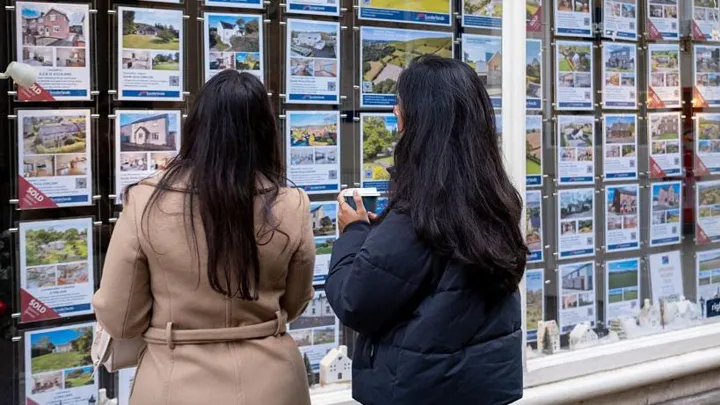
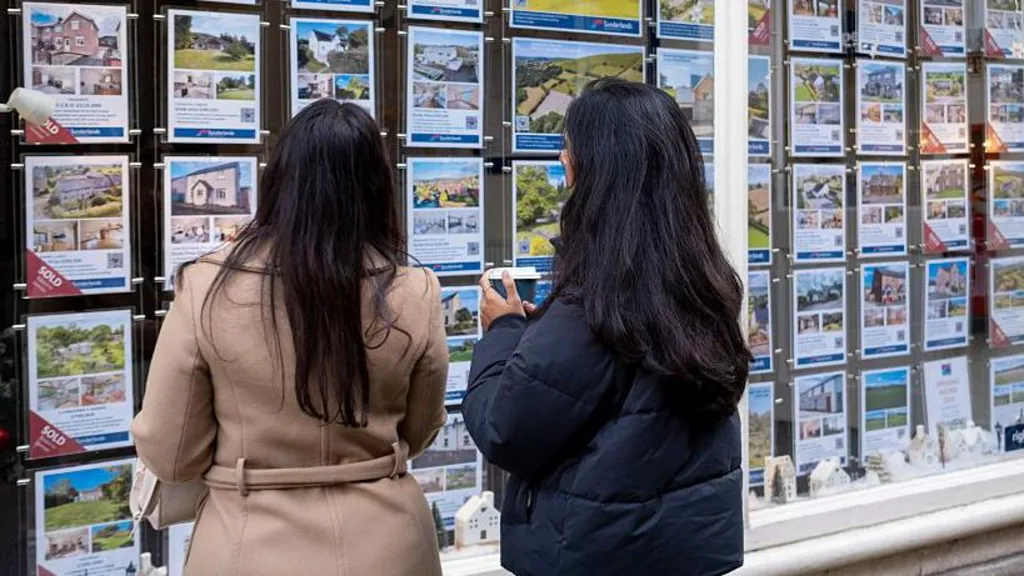
Average UK house prices slipped by half a percent in March, according to the latest figures released by Halifax, the country’s largest mortgage lender. The new average price level stands at £299,677, and the pace of annual growth has also softened.
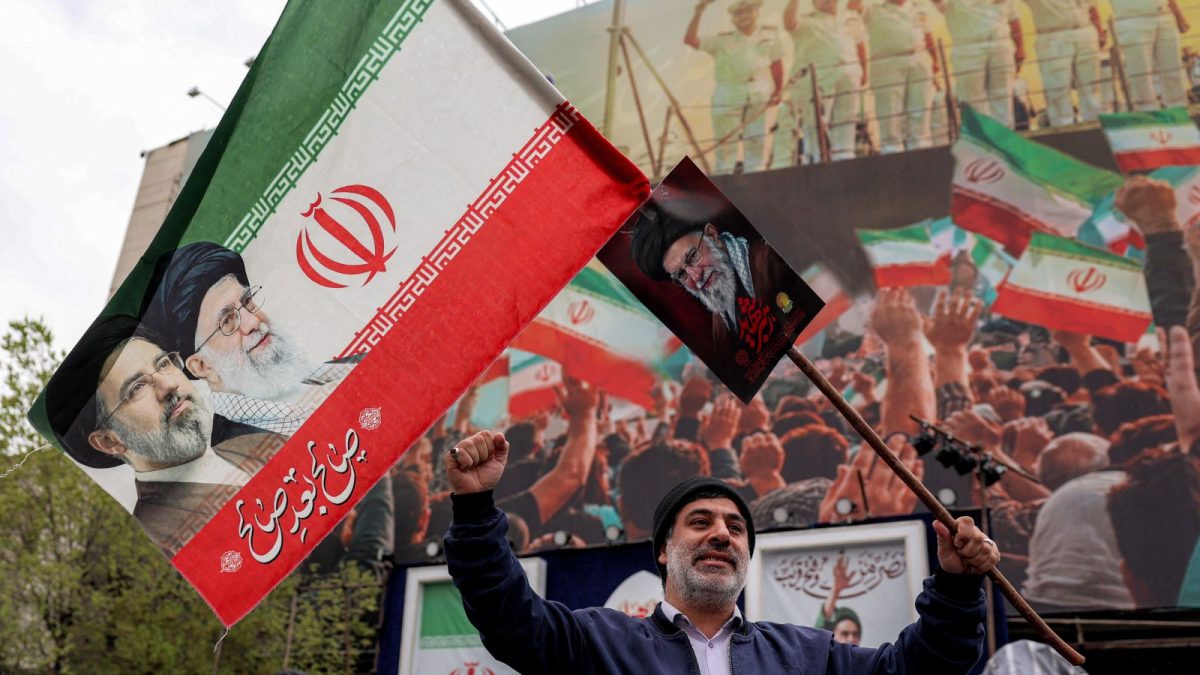
The modest decline reverses a modest rise of three‑tenths of a percent recorded in February, a period that preceded the escalation of the Iran war. The conflict has fed into higher energy costs, stoked concerns that inflation could climb, and heightened doubts about whether interest rates will be trimmed before the year ends.
Mortgage rates have surged in recent weeks, and the market has witnessed the disappearance of hundreds of the cheapest loan deals that once attracted first‑time buyers and cash‑rich investors alike. The withdrawal of these low‑rate products represents the most significant daily contraction of mortgage offers since the disruptive mini‑Budget episode in 2022, which unfolded under Prime Minister Liz Truss.
Despite the pronounced contraction, Halifax notes that the recent climb in mortgage rates has not been as abrupt as the surge experienced four years ago when the UK mortgage market endured a dramatic tightening.
Amanda Bryden, head of mortgages at Halifax, explained that the slowdown in the housing market mirrors the broad uncertainty generated by the Iran war in the Middle East. Amanda Bryden emphasized that worries over higher energy prices have pushed inflation expectations upward, which in turn has prompted a rise in mortgage rates. The heightened cost of borrowing has eroded confidence that the Bank of England will be able to lower interest rates within the current year, thereby dampening the early‑year optimism that had been evident in the market.
Amanda Bryden further warned that the duration of weaker demand will largely hinge on how long‑lasting the pressures stemming from the Iran war prove to be, as well as the wider repercussions for the national economy and the unemployment picture.
The interaction between geopolitical tension and domestic mortgage markets is not new, yet the current circumstances present a textbook example of how external conflict can translate into higher household financing costs. As the Iran war pushes global energy markets into volatility, the resulting spike in energy bills filters through to households, feeding into broader inflationary trends. When inflation expectations climb, lenders such as Halifax respond by adjusting mortgage rates upward to preserve the real value of their loan portfolios.
Higher mortgage rates diminish the purchasing power of prospective homebuyers. For many, the monthly mortgage repayment becomes a larger proportion of disposable income, prompting a re‑assessment of affordability thresholds. This dynamic explains why the supply of low‑rate mortgage products has evaporated, leaving prospective borrowers to face more expensive borrowing conditions.
From a buyer’s perspective, the disappearance of the cheapest mortgage deals has a two‑fold impact. First, the immediate cost of financing a property has risen, tightening the budget constraints of buyers who were previously able to stretch further into the market. Second, the perceived likelihood of imminent interest‑rate cuts has receded, weakening the incentive to lock in a mortgage now in hopes of benefiting from future reductions.
These twin pressures have collectively contributed to a cooling of demand, which Halifax attributes to the lingering uncertainty surrounding the Iran war and its macro‑economic knock‑on effects.
The mortgage market’s reaction to the Iran war also reflects broader expectations about the Bank of England’s policy stance. When inflation expectations rise, monetary authorities are inclined to keep rates higher for longer in order to prevent price pressures from becoming entrenched. Consequently, the market’s anticipation of a rate‑cut cycle this year has faded, leaving borrowers with the impression that current mortgage rates may persist for a longer horizon.
This shift in expectations can lead to a self‑fulfilling slowdown in housing activity, as fewer transactions occur under less favourable financing conditions.
Halifax’s data also highlight that the recent withdrawal of mortgage deals mirrors a broader trend of reduced lender appetite for low‑rate products. While the scale of the retreat is notable, Halifax points out that the pace of rate increases is milder than the sharp spike observed four years ago, when the UK mortgage market faced a steep climb in borrowing costs following a series of policy missteps.
Nevertheless, the current environment still represents a contraction relative to the more accommodative conditions that characterised the start of the year, when mortgage rates were gradually edging lower and buyer confidence was buoyed by the prospect of imminent rate cuts.
Looking ahead, the housing market’s trajectory will be closely tied to the evolution of the Iran war and its impact on energy markets, inflation dynamics, and monetary policy. Should the conflict endure and energy costs remain elevated, inflation expectations may stay high, prompting lenders such as Halifax to keep mortgage rates elevated. This scenario would likely prolong the period of subdued demand that Amanda Bryden describes.
Conversely, any de‑escalation of the Iran war that eases pressure on global energy supplies could soften inflation expectations, open the door for a potential easing of mortgage rates, and revive buyer confidence. The timing and magnitude of such a shift remain uncertain, underscoring Amanda Bryden’s point that the outlook hinges on the durability of the current pressures.
In the meantime, prospective homebuyers are advised to closely monitor mortgage offerings, as the pool of affordable financing options continues to shrink. The disappearance of the cheapest deals means that borrowers must either accept higher monthly repayments or seek alternative strategies such as larger deposits or longer loan terms, each of which carries its own set of financial implications.
For those already holding mortgages, the current environment may also prompt a review of existing loan terms, especially if variable‑rate products are in place. While Halifax’s current analysis does not suggest an immediate reversal of rate trends, the evolving geopolitical backdrop means that vigilance remains prudent.
The broader economic context, including employment levels and consumer confidence, will also play a role in shaping housing demand. Amanda Bryden notes that the ultimate duration of weaker demand will be influenced by how the pressures stemming from the Iran war intersect with the overall health of the UK economy and the labor market.
In sum, the recent 0.5 percent dip in average UK house prices to £299,677 reflects a market that is adjusting to higher mortgage rates, the loss of low‑cost financing, and heightened uncertainty linked to the Iran war. As Halifax and Amanda Bryden observe, the path forward will depend on the resolution of these external pressures and their ripple effects across inflation, monetary policy, and employment.