Welsh Government Defends £205m Cardiff Airport Subsidy as Competition Appeal Tribunal Dismisses Bristol Airport Challenge
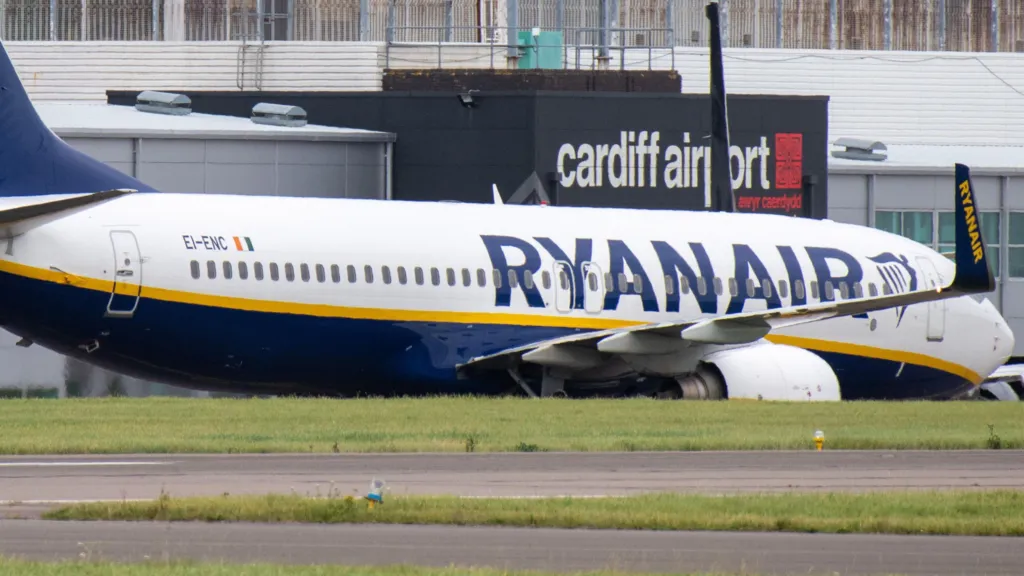
The Competition Appeal Tribunal has issued a decisive ruling that rejects the attempt by Bristol Airport to have a £205m subsidy granted to Cardiff Airport declared unlawful. The tribunal’s judgment affirms that the Welsh government’s financial support for Cardiff Airport remains lawful and can continue under the terms originally set out.
At the core of the dispute, Bristol Airport argued that the subsidy, amounting to £205.2m, creates an uneven playing field and distorts competition within the regional aviation market. Bristol Airport contended that the financial assistance effectively translates into a contribution of £71.50 from taxpayers for every additional passenger using Cardiff Airport, a figure it described as an extraordinary burden on the public purse.
The Welsh government, in response, highlighted that the subsidy is structured to foster specific economic benefits, including the development of new maintenance facilities, additional hangar space, and expanded cargo handling capacity. The investment also earmarks funds for the creation of new airline routes, focusing on connections to global aviation hubs that can stimulate broader economic growth across Wales.
Background of the Subsidy Arrangement
The Welsh government officially approved a subsidy package valued at £205.2m for Cardiff Airport. Within this package, an initial allocation of £20m has already been designated for immediate expenditure during the current financial year. The full subsidy is intended to be disbursed gradually over a ten‑year period, allowing for phased implementation of the planned infrastructure projects and route development initiatives.
Under the terms of the aGreement, a substantial portion of the total amount—approximately half—is dedicated to route development activities. This allocation is designed to provide upfront financial incentives to airlines, encouraging them to establish new services that connect Cardiff Airport with key international destinations. The Welsh government argued that such upfront payments are a customary practice in the aviation industry, aimed at reducing commercial risk for carriers and enhancing the airport’s overall connectivity.
In addition to route incentives, the subsidy supports the construction of modern maintenance facilities that will enable Cardiff Airport to service a wider variety of aircraft types on‑site. The development of new hangars is intended to increase the airport’s capacity to accommodate larger fleets and to provide storage solutions for both commercial and private aviation operators. Expanded cargo capacity is also a central element, with the goal of positioning Cardiff Airport as a competitive freight hub capable of handling increased volumes of goods destined for domestic and international markets.
Bristol Airport’s Legal Challenge
Upon reviewing the details of the subsidy, Bristol Airport filed an appeal with the Competition Appeal Tribunal, seeking a declaration that the financial assistance to Cardiff Airport should be quashed and that any recovery of funds be ordered. The legal argument presented by Bristol Airport’s counsel emphasized that the size of the subsidy was unprecedented within the United Kingdom’s aviation sector and therefore constituted a breach of competition law.
Bristol Airport’s submission stressed that the substantial funding allocated for route development could be used to unfairly lure airlines away from Bristol Airport, thereby compromising the competitive equilibrium between the two airports. The claim stated that such an approach would effectively create a market distortion, granting Cardiff Airport an artificial advantage that is not based on operational efficiency or service quality.
The legal team representing Bristol Airport also referenced the Subsidy Control Act, enacted after the United Kingdom’s departure from the European Union, arguing that the flexibility introduced by this legislation should not permit subsidies that undermine competitive balance. Bristol Airport expressed concern that the public’s contribution of roughly £71 per additional passenger represents a significant financial imbalance that should be subject to stricter scrutiny under the Act.
Ruling of the Competition Appeal Tribunal
After a thorough examination of the arguments presented by both parties, the Competition Appeal Tribunal issued a judgment that unequivocally dismissed Bristol Airport’s application. The tribunal’s statement read, "Bristol's application for a declaration, a quashing order and a recovery order is dismissed." The judgment was rendered unanimously by the panel of judges presiding over the case.
In its ruling, the tribunal concluded that the Welsh government’s subsidy to Cardiff Airport complies with the relevant legal framework and does not breach competition regulations. The decision effectively validates the Welsh government’s position that the financial support is lawful, appropriate, and consistent with established practices in the aviation sector.
The tribunal’s decision also highlighted that the subsidy does not constitute unlawful state aid, given that it is structured to achieve genuine economic objectives, such as enhancing regional connectivity, supporting infrastructure development, and fostering job creation within Wales.
Reactions from the Welsh Government
Following the tribunal’s decision, a spokesperson for the Welsh government issued a statement expressing satisfaction with the outcome. The spokesperson emphasized that the ruling confirms the legality of the investment in Cardiff Airport and allows the continuation of the planned projects without interruption. The statement read, "We welcome the Competition Appeal Tribunal ruling that our investment in Cardiff Airport is lawful and can continue on its current terms."
The Welsh government also highlighted recent performance indicators for Cardiff Airport, noting a 9% increase in passenger numbers over the preceding year. The spokesperson indicated that this growth trend positions Cardiff Airport for its busiest summer flying programme in many years, reinforcing the strategic importance of the subsidy for sustaining and expanding the airport’s operations.
In closing remarks, the Welsh government reiterated its desire for both Cardiff Airport and Bristol Airport to prosper, stating, "We very much hope to see both Cardiff Airport and Bristol Airport continue to thrive and grow." The expression of mutual encouragement underscores the Welsh government’s broader objective of fostering a competitive yet collaborative aviation environment in the region.
Response from Bristol Airport
A spokesperson for Bristol Airport responded to the tribunal’s judgment with disappointment. The spokesperson outlined the core concerns that prompted the legal challenge, emphasizing the magnitude of the subsidy and its potential impact on taxpayers. The statement noted that the subsidy represents an additional £181m of public funds already received by Cardiff Airport, bringing the total public contribution to an amount that translates into roughly £71 for each new passenger using Cardiff Airport.
The Bristol Airport spokesperson also critiqued the flexibility afforded by the Subsidy Control Act, suggesting that the act’s provisions enable the continuation of a subsidy that places an undue financial burden on taxpayers. The spokesperson remarked, "We're disappointed that the tribunal feels, that despite the burden being put on the taxpayer, the flexibility given by the Subsidy Control Act introduced after Brexit means that the subsidy can proceed."
Looking ahead, the Bristol Airport spokesperson indicated that the organization will take time to study the tribunal’s decision in detail before determining its next steps. This measured approach reflects Bristol Airport’s intention to assess the legal and commercial implications of the ruling, as well as to consider any further actions that may be appropriate in light of the outcome.
Implications for the Regional Aviation Market
The tribunal’s decision carries significant implications for the competitive dynamics between Cardiff Airport and Bristol Airport. By upholding the legality of the £205.2m subsidy, the ruling enables Cardiff Airport to proceed with its planned infrastructure upgrades, route expansions, and cargo capacity enhancements. These developments are expected to increase Cardiff Airport’s ability to attract additional airlines and passengers, potentially reshaping market share within the region.
For Bristol Airport, the dismissal of its legal challenge means that the airport must continue to compete on a level playing field without the prospect of having the Cardiff Airport subsidy removed. Bristol Airport may need to explore alternative strategies, such as investing in its own infrastructure, enhancing service quality, or seeking other forms of support that comply with competition regulations.
From a policy perspective, the judgment reinforces the principle that targeted subsidies aimed at achieving legitimate economic objectives—such as improving regional connectivity and stimulating local economies—can be compatible with competition law, provided they meet specific legal criteria. The decision also demonstrates the role of the Competition Appeal Tribunal in interpreting the balance between state aid and market competition within the United Kingdom’s post‑Brexit regulatory framework.