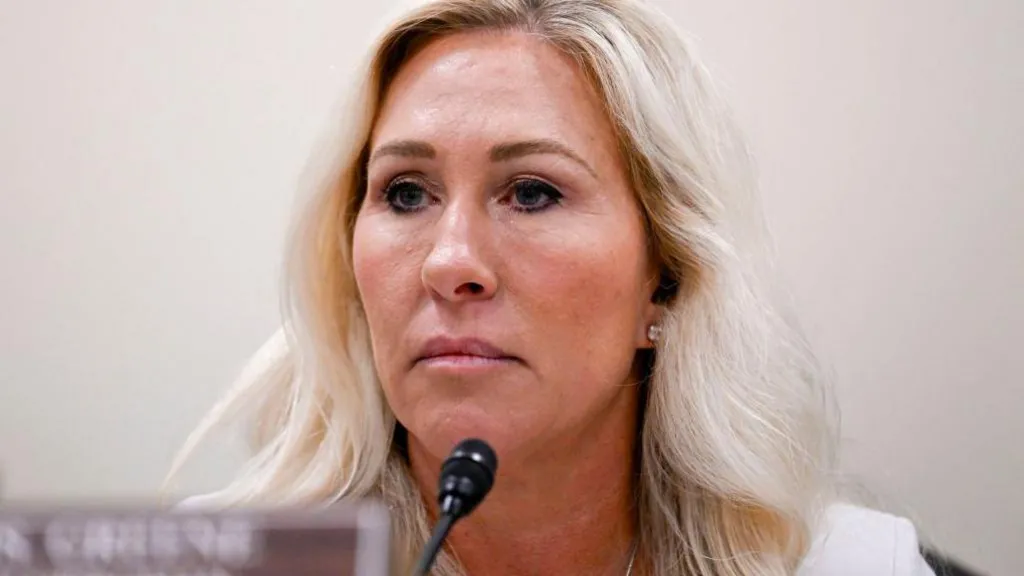
Georgia Run‑Off Decides Who Will Fill Marjorie Taylor Greene’s Vacant Seat
A run‑off election in Georgia’s 14th congressional district will determine whether the seat left by Marjorie Taylor Greene stays Republican or flips to Democrat, with national control of the House hanging in the balance.
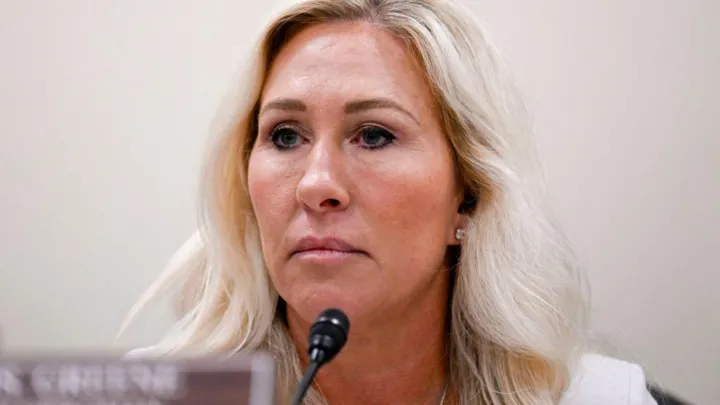
The runoff election will pit Republican Clay Fuller against Democrat Shawn Harris. The victor will serve the remainder of Marjorie Taylor Greene’s term, which expires in January 2027, and must immediately begin campaigning for the regular midterm contest later this year.
Marjorie Taylor Greene resigned from the U.S. Congress after a public split with President Donald Trump, leaving thousands of constituents without representation and prompting a special election that produced a narrow field and forced a runoff.
Background of the Vacancy
Marjorie Taylor Greene’s departure created a sudden opening in a district that has long been a stronghold for conservative politics. The resignation followed a dramatic rupture with President Donald Trump, a figure whose endorsement has historically shaped outcomes in the district. Voters in the district expressed frustration at the abrupt loss of their elected official, prompting heightened interest in the ensuing competition.
Because no candidate secured a majority in the earlier special election, state law requires the top two vote‑getters to face each other in a runoff. This runoff will decide who occupies the congressional seat for the next several years.
Candidate Profiles
Clay Fuller
Clay Fuller is a former district attorney who entered the race with the backing of President Donald Trump. That endorsement propelled Fuller to the forefront of the Republican field, allowing him to consolidate support among voters who prioritize a continuation of the former president’s agenda.
Fuller’s platform mirrors the priorities championed by President Donald Trump, emphasizing strict immigration enforcement, the expansion of deportation measures, and a broader “America first” philosophy. Fuller has repeatedly affirmed his commitment to supporting President Donald Trump’s policies, stating, “Clay Fuller is going to be a fantastic Congressman in representing the Great State of Georgia,” and stressing that voters desire a representative who will fight for policies that “make a difference.”
Fuller’s experience as a district attorney provides him with a law‑enforcement perspective that resonates with the district’s conservative base, especially on issues of public safety and border security.
Shawn Harris
Shawn Harris, a retired brigadier general, entered the race as the Democratic contender. Harris has invested heavily in fundraising, amassing millions of dollars for campaign outreach, and has deployed an aggressive canvassing operation throughout the district.
Harris hopes that the atypical timing of the runoff—outside the normal election calendar—will lower overall turnout and give an advantage to motivated Democratic and independent voters. By appealing to voters who may feel disenfranchised by the dominant Republican narrative, Harris seeks to build a coalition capable of producing an upset.
National Democratic leaders have highlighted the race as a potential pickup. Former presidential candidate Pete Buttigieg conducted a town hall with Harris, signaling the importance of the contest for the broader party strategy.
Harris has communicated directly to voters who previously supported other candidates, urging them to give his campaign a chance. He told the Gree, “Everybody who voted for any other candidate … I want to talk to every last one of them, and say: ‘Give me a chance.’”
Geographic and Demographic Context
Georgia’s 14th congressional district stretches from the north‑west suburbs of Atlanta to the Tennessee border. The district is predominantly rural, with a strong conservative electorate that has traditionally supported Republican candidates. However, pockets of Democratic‑leaning voters exist in suburban areas closer to Atlanta and around the city of Rome.
The district’s composition creates a scenario in which a well‑organized Democratic effort could potentially carve out enough support to challenge the Republican advantage, especially if voter turnout among Democratic‑leaning constituents exceeds expectations.
Strategic Implications for the U.S. House
The outcome of the runoff carries weight far beyond the borders of the district. The U.S. House of Representatives currently stands with a razor‑thin Republican majority. A loss of even a single seat could jeopardize the party’s ability to pass legislation without seeking bipartisan support or risk losing control altogether.
Republicans currently hold 217 seats, while Democrats hold 214. One independent member caucuses with the Republican side, and three seats remain vacant as they await special elections. In this delicate balance, the winner of the Georgia runoff will be closely watched by party leadership on both sides of the aisle.
President Donald Trump has publicly urged the electorate to keep the seat in Republican hands, emphasizing the importance of maintaining the narrow majority. After Clay Fuller secured a place in the runoff, President Donald Trump posted on his preferred social platform, “Clay Fuller is going to be a fantastic Congressman in representing the Great State of Georgia. Now we have to be careful and finish it off. MAKE AMERICA GREAT AGAIN!!!”
Campaign Dynamics and Voter Outlook
Both campaigns have intensified their outreach efforts. Clay Fuller’s messaging underscores unwavering loyalty to President Donald Trump’s agenda, focusing on immigration control, law‑and‑order policies, and a promise to serve as an “America first” fighter on Capitol Hill.
Shawn Harris, leveraging his military background, highlights leadership experience, a commitment to pragmatic solutions, and an appeal to independent and moderate voters who may be skeptical of polarized partisanship.
The timing of the runoff—outside the conventional election cycle—introduces uncertainty regarding voter participation. Historically, off‑cycle elections see lower turnout, which can benefit the candidate with a highly motivated base. Both campaigns are therefore concentrating on voter mobilization, door‑to‑door outreach, and targeted messaging to ensure their supporters head to the polls.
Conclusion
The runoff in Georgia’s 14th district represents a pivotal moment for both the local electorate and the national political landscape. Voters will decide whether the seat vacated by Marjorie Taylor Greene remains under Republican control with Clay Fuller or shifts to Democrat Shawn Harris.
Beyond the district, the result will affect the fragile balance of power in the U.S. House of Representatives, where every seat matters in maintaining a working majority. As the campaigns enter their final stretch, both candidates are urging their supporters to cast ballots that will shape the district’s representation for the next several years and potentially influence the direction of congressional governance at the national level.