What sparked the fire?
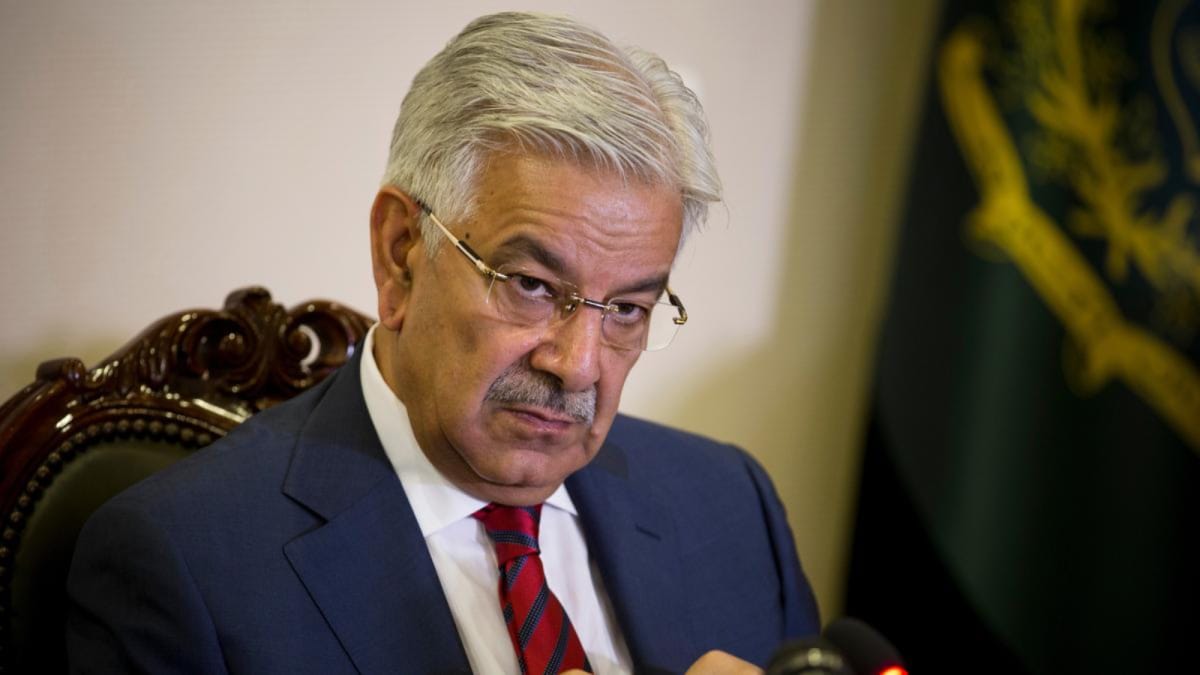
Honestly, I was sipping my chai on a quiet morning when I saw the headline about the upcoming US‑Iran peace talks in Islamabad. You know how we all get a bit of hope when big powers sit down to talk? I thought, "Finally, maybe there'll be some calm in the region." But then, just a few hours later, my phone buzzed with a post from Pakistani Defence Minister Khwaja Asif on X that totally changed the vibe.
He basically accused Israel of committing genocide in Lebanon and went on to call the country "evil," "a curse for humanity," "cancerous," and even said "to get rid of European Jews." He also claimed that while peace talks were supposed to be happening in Islamabad, innocent people were being killed, first in Gaza, then allegedly in Iran, and now in Lebanon. He ended with a line wishing hell on those who created what he called a "cancerous state" on Palestinian land.
Reading that, I felt a mix of shock and a little bit of disbelief. I mean, these are very strong words, especially when Pakistan is trying to act as a neutral host for these delicate negotiations. It’s like inviting guests over for tea and then shouting that the neighbor's house is on fire – it just throws everything off.
In India, we often hear political leaders making bold statements, but the intensity of Khwaja Asif’s language reminded me of the kind of rhetoric you hear during heated election rallies, not diplomatic forums. And what made it even more puzzling was the timing – right before the US and Iran were set to arrive in Islamabad for the peace talks.
Israel’s reaction – “outrageous” and “intolerable”
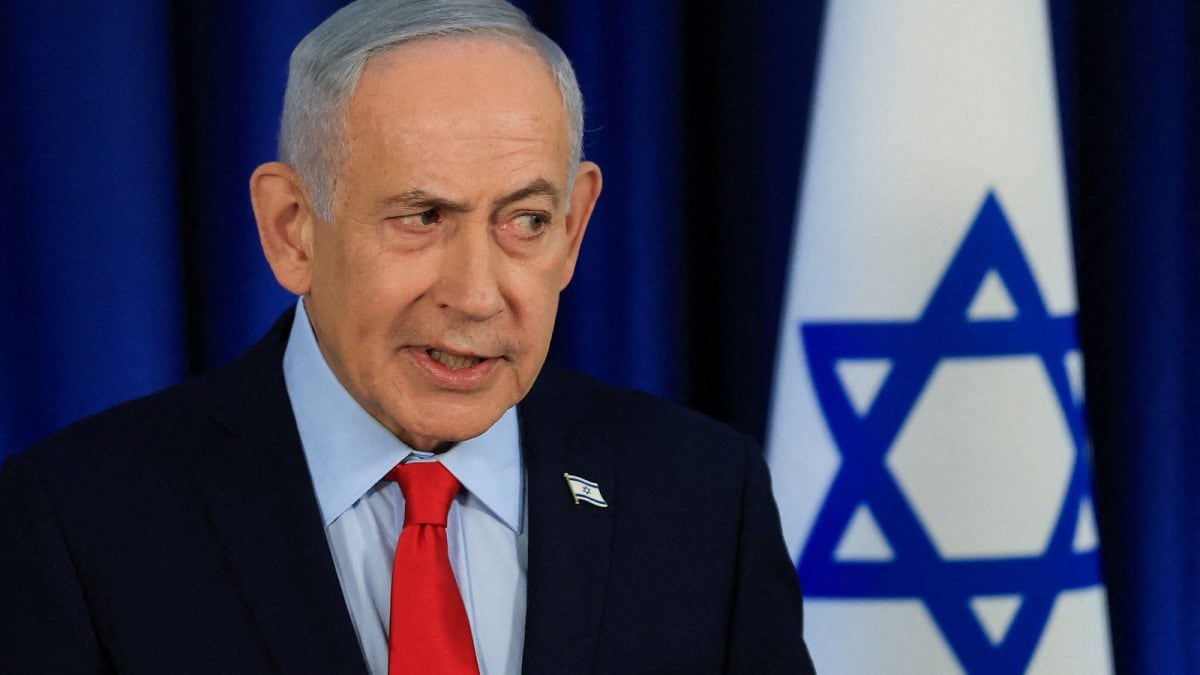
Now, you can imagine the reaction from Israel’s side. Within minutes, the office of Israeli Prime Minister Benjamin Netanyahu posted a statement on X. They called Khwaja Asif’s call for Israel’s annihilation "outrageous" and stressed that such a statement cannot be tolerated from any government, especially one that claims to be a neutral arbiter for peace.
Here’s the exact wording they used: “Pakistan Defence Minister’s call for Israel’s annihilation is outrageous. This is not a statement that can be tolerated from any government, especially not from one that claims to be a neutral arbiter for peace.” The tweet was signed by the Prime Minister of Israel’s official handle.
To be honest, the response felt very diplomatic in its own right – firm, but not overly aggressive. It was as though they were reminding everyone that neutrality comes with responsibility. It reminded me of when our own diplomats in New Delhi have to balance strong national sentiments with the need to keep diplomatic channels open.
Another senior voice from Israel, the Foreign Minister Gideon Sa’ar, also weighed in. He labelled Khwaja Asif’s comments as openly antisemitic and said calling Israel "cancerous" was basically a euphemism for calling for its destruction. Sa’ar added that Israel will continue to defend itself against any threats, and that the rhetoric was simply unacceptable from a country that wants to mediate peace.
Reading these reactions, I thought about how quickly international diplomates had to respond. In most cases, a single tweet can set the tone for the next day’s meetings, and that’s exactly what happened here. The media in both Pakistan and Israel amplified the statements, and soon enough, the whole world was watching the exchange.
Why does it matter? The stakes of the Islamabad talks
The US‑Iran talks in Islamabad are not just any diplomatic meeting – they are a crucial step toward ending the war that has been raging across West Asia. The United States, represented by Vice President JD Vance, along with Special Envoy Steve Witkoff and Senior Advisor Jared Kushner, are set to fly in and sit down with Iranian officials. From the Iranian side, Parliament Speaker Mohammad Bagher Ghalibaf and Foreign Minister Abbas Araghchi are slated to lead the delegation, joined by Iran’s Ambassador to Pakistan, Dr. Reza Amiri Moghadam.
Now, picture this: a big conference hall in Islamabad, with delegations arriving late at night, security teams coordinating, translators scribbling notes, and the press lining up for every word. All of that is happening while a controversy is brewing over a comment made by a Pakistani minister who, frankly, is not directly part of the US‑Iran dialogue but whose role as the host country gives his words extra weight.
In my experience, whenever a host nation’s official makes such a polarising statement, it can cast doubt on the country’s ability to be an impartial facilitator. It’s a bit like if you were to host a wedding and then started insulting the bride’s family – it just creates tension. For the US and Iran, the primary goal is to discuss ceasefire terms, prisoner exchanges, and maybe a roadmap for future stability. Any extra “noise” can either push the talks into a forced urgency to prove they can work together or can completely derail the negotiations if trust erodes.
What’s also interesting is how quickly the United States managed the diplomatic fallout. Their official spokespeople emphasized the importance of separating the peace talks from unrelated political statements. They reminded the world that the agenda in Islamabad is focused on ending the conflict, not on debating Israel‑Palestine issues, even though those topics are inevitably linked in the broader regional context.
How the Indian audience relates
Being Indian, I couldn't help but draw parallels with our own foreign policy challenges. India has often positioned itself as a neutral player in various regional disputes – from the Afghan peace process to the Sri Lankan Tamil issue. Whenever an Indian official makes a bold statement about any of these, there’s a ripple effect in the media and diplomatic circles.
For example, when our own Defence Minister made comments on the border tensions a few months back, the neighbouring countries reacted strongly, and the press ran endless debates about “India’s neutrality.” It’s a delicate dance, and the same principle applies here: Pakistan wants to be seen as the fair host, but Khwaja Asif’s remarks threaten that image.
Moreover, the tone of the statements – using words like "cancerous" and "evil" – resonates with the kind of language we hear in Indian media when political frictions run high. It makes you wonder how much of this is genuine belief versus political posturing. In the end, for ordinary citizens like us, the main concern remains: will these talks actually bring peace, or will they get sidetracked by heated rhetoric?
It’s also worth noting how social media amplifies every word. In India, a single tweet by a politician can trend for hours, shaping public opinion instantly. The same phenomenon happened here, where Khwaja Asif’s X post went viral, and within minutes, Israeli officials were replying. It shows the power and peril of digital platforms in modern diplomacy.
What’s next for the Islamabad peace talks?
As the delegations are expected to arrive later that night and continue into the early hours, security arrangements are already in place. The White House has reiterated that Vice President JD Vance will lead the American team, while Iran’s delegation is led by Mohammad Bagher Ghalibaf and Abbas Araghchi. Both sides have indicated they are willing to discuss a ceasefire, humanitarian aid corridors, and possibly a framework for future engagement.
Meanwhile, Pakistani officials are trying to calm the situation. They have issued statements reminding the public that the US‑Iran talks remain a priority and that the remarks made by Khwaja Asif do not reflect the government's official stance on mediation. They are basically saying, "Let’s keep the focus on peace, not on inflammatory comments."
From what I gather, the Israeli side will likely keep monitoring the situation closely, especially since any perceived bias from the host nation could affect Israel’s willingness to engage indirectly. While Israel isn’t a direct participant in these talks, the broader regional stability is tied to how these negotiations pan out.
In a nutshell, the next few days will be critical. If the delegations can keep the conversation strictly on the peace agenda, we might see a breakthrough. If the controversy continues to dominate headlines, the talks could lose momentum, and the world will be left wondering whether Islamabad can truly serve as a neutral ground.
As someone who follows international affairs closely, I’m keeping my fingers crossed. The world needs any chance of ending the bloodshed, and perhaps this episode will serve as a reminder that words matter – especially when you’re playing the role of a peace facilitator.