Why this story matters to us
Honestly, when I first heard about a "bitter lecture" being given by a top US defence official to a Vatican ambassador, I thought it was something out of a movie. But the more I read, the more I realised it is a real diplomatic spat that could affect how the world views power and morality.
In India, we often hear debates on whether a strong army is enough to keep the nation safe. This clash between Washington and the Holy See throws the same question onto a global stage – can a country use its military might without considering the deeper moral costs?
The January meeting that set everything off
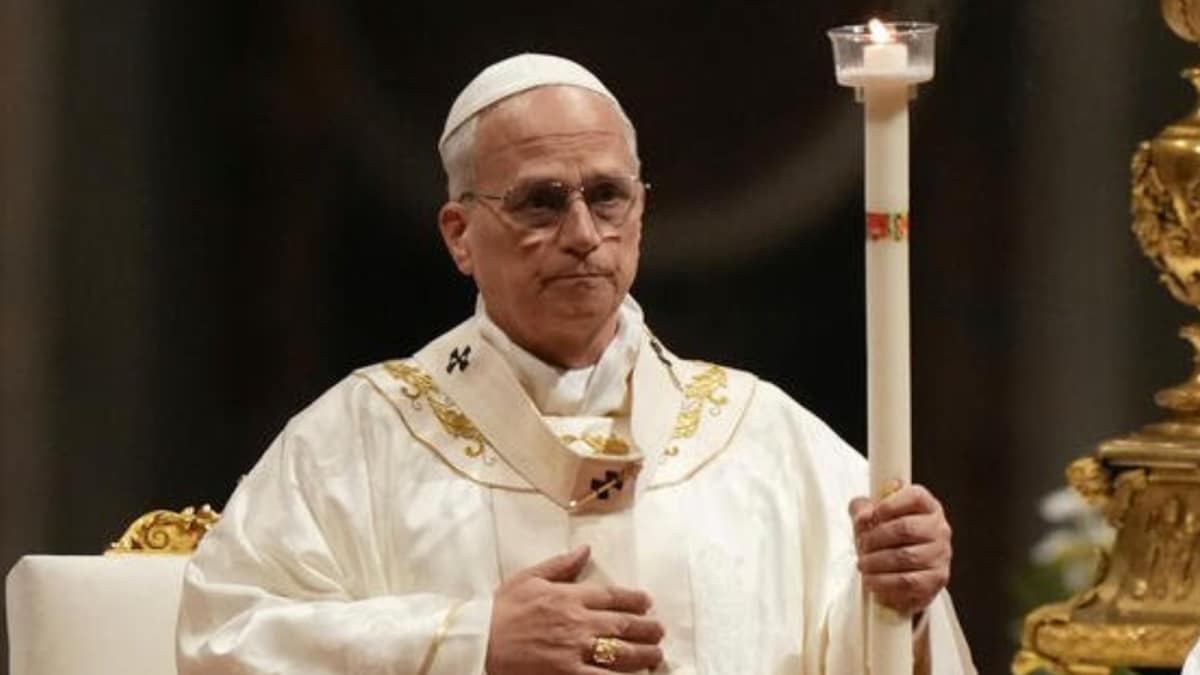
Back in January, Elbridge Colby, who is the US Under‑Secretary of Defence for Policy, sat down with Cardinal Christophe Pierre. Pierre, at that time, was the Vatican’s official ambassador to the United States – you know, the guy who acts as the bridge between the Pope in Vatican City and Washington DC.
According to several reports, the conversation turned sour. Sources say Colby delivered what they called a “bitter lecture”, basically telling the cardinal that the United States "has the military power to do whatever it wants and that the Church had better take its side." The tone, as described, sounded more like a warning than a diplomatic chat.
Now, I’m not a foreign‑policy expert, but when a senior defence official says a country can do whatever it wants, it feels a bit heavy‑handed, especially when the other party is the Vatican, an institution that usually talks about peace, love and brotherhood.
Pentagon’s quick denial
Right after the story broke, the Pentagon rushed to say the whole thing was blown out of proportion. Their press office called the coverage “highly exaggerated and distorted”. They insisted the meeting was “respectful and reasonable”.
In most cases, government agencies will try to smooth over any negative headlines quickly. The Pentagon’s statement seemed to be exactly that – a quick attempt to calm the waters before the media could stir up more storm.
Personally, I felt a bit sceptical. It’s like when my neighbour says, "Don’t worry, I didn’t shout at the shopkeeper," while you can still hear the raised voices from down the street.
What the US ambassador to the Holy See had to say
Adding another layer, US Ambassador to the Holy See Brian Burch went a step further. He said Pierre – who has since retired – described the meeting as “frank but very cordial” and called it “a normal encounter”.
So we have three different versions: one saying there was a harsh lecture, another saying it was merely frank, and the Pentagon’s claim that it was respectful. It’s a classic case of diplomatic ‘he‑said‑she‑said’, where each side tries to protect its image.
When I think of this, I remember how my teachers used to describe disaGreements in a classroom – “we just had a frank discussion”, but you could tell from the tone that someone was definitely not happy.
A Pope who refuses to stay silent
Pope Leo XIV, who made history as the first American pontiff, has not been shy about his views on this matter. In the same month as the disputed meeting, he publicly condemned what he called "diplomacy based on force".
During his Easter blessing, the Pope urged "those who have the power to unleash wars" to "choose peace". He basically reminded the world that having the ability to wage war also comes with a huge moral responsibility.
If you watch any Indian news channel, you’ll often hear political leaders quoting the Pope’s words, especially when there are talks about border tensions. It’s a reminder that spirituality and geopolitics often intersect in ways that affect everyday people.
The Trump administration’s stance
The administration, led by Donald Trump at the time, has repeatedly argued that military strength is a legitimate and necessary part of foreign policy. They believe that a strong defence deters adversaries and protects national interests.
From the Pentagon’s perspective, having a powerful army is like having a good insurance policy – you hope you never need to use it, but you want it there just in case.
But Pope Leo XIV, drawing on centuries‑old Catholic just‑war doctrine, has hinted that the current use of that power raises serious moral questions. The doctrine says that war can only be just if it meets certain criteria, like being a last resort and proportionate. It’s a nuanced view that many in the West often forget when they talk about “strength” alone.
Why the clash feels closer to home for Indians
Even though this is a US‑Vatican story, it resonates with us in India. Think about the debates we have around the India‑Pakistan border, or the role of the armed forces in internal security. The same tension between using force and keeping moral high ground is present.
When I was in college, we used to argue in the canteen about whether the Indian army’s actions in certain regions were justified. Some friends would quote Mahatma Gandhi’s principle of non‑violence, while others would say you need a strong hand to keep the peace. It’s the same kind of moral tug‑of‑war that the Pope and the Pentagon are grappling with.
Moreover, the Vatican’s influence in many Indian Catholic communities means that any statement from the Pope can quickly become a topic of discussion in churches from Goa to Kerala. So when Pope Leo XIV speaks about peace, it’s not just a global affair – it becomes part of daily prayer meetings and community gatherings.
Historical context – when the US and the Vatican have clashed before
It’s not the first time Washington and the Holy See have been at odds. Back in the Cold War era, the US government sometimes found Vatican positions on nuclear disarmament and human rights to be a nuisance. Yet, in many other moments, both sides have cooperated – especially on humanitarian aid.
What makes the current situation different, I think, is the personality of the Pope and the political climate of the Trump administration. A Pope who is not just a religious leader but also a former US political figure adds a unique twist.
Imagine you’re at a wedding where two families have a long history of rivalry – you’d expect some tension, but there’s also a chance for reconciliation. The same could be said about US‑Vatican relations today.
Possible outcomes – should we expect a bigger rift?
Experts suggest that if the disaGreement over military policy continues, we might see a cooler diplomatic relationship. That could mean fewer joint statements, less coordination on global issues like climate change, and maybe even a slowdown in Vatican‑backed humanitarian projects that rely on US funding.
On the other hand, both sides have an interest in avoiding a full‑blown crisis. The US values the Vatican’s soft‑power influence, especially in regions where religious networks are strong, while the Vatican needs a partner that can protect its communities worldwide.
In many ways, it’s like when two neighbours argue over a boundary wall – the dispute could turn ugly, but they both need to share the same street, so they eventually find a way to coexist.
How ordinary people perceive this clash
On social media in India, you’ll notice a mixed reaction. Some users side with the Pentagon, arguing that national security cannot be compromised for moral preaching. Others echo the Pope’s call for peace, citing the eternal value of human life over strategic gains.
One friend of mine from Chennai even said, "If the US can’t listen to a voice that asks them to think about the poor and the suffering, then what hope is there for the world?" And another colleague from Delhi replied, "We need strength, otherwise who will protect us?" This diversity of opinion mirrors the broader global debate.
In everyday conversation, people might not quote the exact words of Elbridge Colby or Pope Leo XIV, but the underlying theme – whether power must be checked by conscience – definitely finds its way into tea‑time discussions across the country.
Closing thoughts
At the end of the day, the clash between the Pentagon and the Vatican is more than just a diplomatic footnote. It raises questions about how modern states balance hard power with moral guidance, a dilemma that resonates with anyone who has ever wondered whether might truly makes right.
For us Indians, who sit at the crossroads of ancient spiritual traditions and a fast‑growing modern nation, this story reminds us that the conversation about war and peace is never really over. It’s a dialogue that continues in our temples, churches, classrooms and even in the back‑seat of a rickshaw when the radio talks about foreign policies.
So, whether the Pentagon eases up on its “we can do whatever we want” stance, or the Pope urges more prayerful deliberation before pulling a trigger, the world will be watching. And somewhere, perhaps, a small group of people will write the next chapter of this ongoing negotiation between muscle and morale.