What’s really happening with the Dubai‑India flight corridor?
So, I was just chatting with a friend over chai when she told me she’d booked a cheap ticket from Delhi to Dubai for the upcoming holiday. A few days later, she called me, sounding all shocked, “Did you see the news? Dubai has capped foreign airlines to just one flight a day!” I thought she was joking, but then I read the official notice – it’s true. Dubai authorities, fearing the spill‑over from the ongoing Iran conflict, have put a hard limit on how many flights foreign carriers can run. The restriction lasts till the end of May next year, which in our lives feels like an eternity.
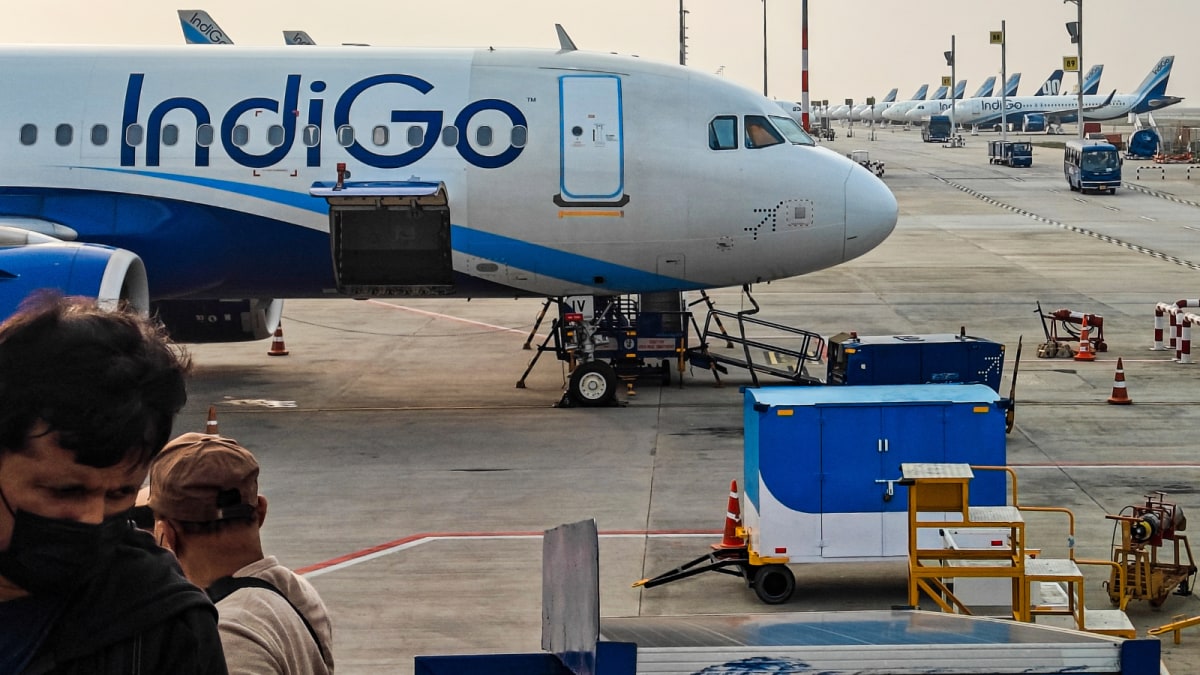
Now, what does that mean for us Indian travellers? Basically, the big UAE carriers – Emirates and flydubai – are allowed to keep most of their network, because they’re home‑grown. But they’re also asked to run a “war‑time” schedule, which means fewer seats and tighter slots. Meanwhile, Indian airlines that usually dominate the Delhi‑Dubai and Mumbai‑Dubai routes – IndiGo, Air India and SpiceJet – are forced to cancel hundreds of flights. The Federation of Indian Airlines (FIA) even called it an “uneven playing field”. Imagine waiting at the Delhi airport, hearing announcement after announcement that your flight is delayed or cancelled – that’s the new reality for many of us.
Why did Dubai decide on this drastic step?
From what I gather, it’s all about keeping the “safe corridors” open. The airspace over the Persian Gulf has become a bit chaotic because of the Iran‑related war. Planes need to be routed carefully, and the authorities say they need to limit traffic to avoid any accidental incidents. They told airlines that only one rotation per day is allowed for foreign carriers, which basically means one inbound and one outbound flight. It sounds simple, but when you think of the sheer volume of daily flights that usually run – especially from hot‑lots like Mumbai and Delhi – you realise the maths doesn’t work in our favour.
In most cases, the airlines will try to optimise the schedule to fit more passengers into fewer flights, but that also means the seats become scarce, and the demand for each seat skyrockets. And you know how quickly Indian travellers jump on a deal – we all love a discount. So, when the supply shrinks, the prices just go up, up, up.
Ticket prices have exploded – what’s the story?
If you’ve ever booked a flight from Delhi to Dubai, you probably remembered seeing tickets for around ₹12,000–₹15,000 a few months back. Now, those numbers have ballooned to somewhere between ₹50,000 and even ₹80,000 on some routes. That’s almost a 480% increase! I checked a few travel sites myself just to confirm, and sure enough, the fares are through the roof. The same kind of surge is happening for long‑haul flights to London, New York, Barcelona and other major hubs – the fuel price jump of over 130% month‑on‑month is a big driver.
What’s more, the price hike isn’t limited to Dubai. Delhi‑Mumbai, which is usually a short‑haul that many of us take for business or family visits, is also feeling the pinch. The average fare for a round‑trip now hovers around ₹80,000, which is insane for a flight that used to cost about ₹15,000‑₹20,000. Some people are even opting to take trains or drive instead, just to avoid the unaffordable airline tickets.
For a country as large and diverse as India, where air travel is the fastest way to connect distant cities, this surge feels like an extra tax on top of everything else. Yet, it’s not just about the numbers – it’s about the stress of figuring out how to get home for a wedding or a pilgrimage when the flight you booked might be cancelled.
Emirates’ response – a little relief amid the chaos
Good news (or at least a tiny bit of relief) comes from Emirates. They’ve rolled out a “war‑time” schedule that covers over a hundred destinations, including the big ones we care about. The airline is trying to be flexible – if you booked after the 2nd of April, you’re allowed one free date change. That’s useful because many of us keep an eye on the flight status before even leaving home for the airport.
Even better, if your travel falls before the end of May, you can ask for a full refund if the flight is affected. And if you’re not ready to give up entirely, you can re‑book to the same destination, or another city in the same region, up until 15th June next year. It feels like a lifeline for those of us who are stuck in a limbo of waiting for confirmation.
But let’s be real – the airline’s flexibility doesn’t completely wipe out the hassle. You still have to deal with longer queues at the airport, possible last‑minute switches, and the anxiety of not knowing whether the seat you paid for will be there. Still, it’s better than nothing, and a lot of travelers appreciate that Emirates is at least trying to keep us informed.
How Indian airlines are coping – and what you can do
IndiGo, Air India and SpiceJet are all grappling with the new cap. They’ve been forced to cancel hundreds of flights, which means they’re scrambling to re‑allocate aircraft and crew. If you’ve booked a ticket with any of them, you might get a notification about a change in schedule, or a request to re‑book.
Here’s what I’ve learned from talking to a few people who’ve been through this lately:
- Stay updated via the airline’s app or website. Most airlines push notifications now, and it’s faster than waiting for a call.
- Have a backup plan. If your flight gets cancelled, check nearby airports – sometimes a flight from a different city (like Chandigarh instead of Delhi) might still be available.
- Consider alternate modes of travel. For short trips, Indian Railways or even private buses can be a viable option. I had a friend who booked a train from Delhi to Amritsar because his flight to Dubai got canceled.
- Don’t ignore the refund policy. If you’re eligible for a full refund, claim it quickly. It might take a few weeks, but it’s better than losing the money entirely.
And a little tip – always keep a copy of your booking reference handy, on paper or in a note app, because you’ll need it when you call customer care. Trust me, the wait times can be long, and having the reference ready speeds things up a bit.
Why the fuel price surge matters – a quick dive
Fuel is the biggest cost for any airline. In the last month, global jet fuel prices have jumped by more than 130% – a figure that sounds absurd until you realize oil markets are reacting to the same geopolitical tension that forced Dubai’s cap. When fuel becomes that expensive, airlines either pass the cost onto passengers or cut down on services. In our case, they’re doing a bit of both – raising fares dramatically and reducing the number of flights.
It’s also why domestic routes are seeing a price bump. Fuel is a universal cost, whether you’re flying a 2‑hour domestic hop or a 12‑hour inter‑continental journey. So, the ripple effect spreads to Delhi‑Mumbai fares, which now touch ₹80,000 for a round‑trip.
If you’re like me and love to travel on a budget, you might start looking for alternative airports or even consider traveling during off‑peak days. Some airlines are still offering lower fares on Tuesdays or Wednesdays, when demand dips a little.
Real‑life stories – what fellow travellers are saying
My cousin, who works as a software engineer in Bangalore, had booked a flight to Dubai for a business conference. He told me the airline cancelled his flight a week before departure. He ended up taking a connecting flight through Muscat, which added a whole extra day to his journey. He was frustrated, but he said the airline offered a free date change and later gave him a voucher for a future trip. It wasn’t ideal, but at least he could still attend the conference.
Another friend from Delhi, a frequent flyer who usually books the cheapest possible tickets, told me she now has to pre‑pay a hefty amount for a round‑trip to Mumbai because the budget airlines have reduced seats drastically. She’s even considering using a car‑pooling service for a few trips now – something she never thought she’d do.
These anecdotes show the human side of the numbers – it’s not just about a 480% increase on a chart, it’s about people missing family gatherings, business meetings, or even a planned vacation because they simply can’t afford the new price.
What’s next? Looking ahead to the post‑May scenario
Right now, the restriction is set to stay till the end of May next year. Nobody knows exactly when the situation in the Middle East will stabilise enough for the limit to be lifted. Some experts think it could be extended if the conflict drags on. That means we might need to adapt to a new normal for at least a year.
In the meantime, airlines might start offering more “flexi‑tickets” at a premium – but those will likely still be pricey compared to the pre‑conflict era. For many of us, the best bet is to stay flexible, keep an eye on price trends, and maybe book slightly further ahead if you can afford it.
Also, keep tabs on the news about fuel prices, because any further jump will only tighten the situation. If fuel stabilises or even dips a bit, we might see a modest reduction in fares, but the flight caps will probably stay until the authorities deem it safe.
Practical tips for anyone planning to fly soon
- Book early, but stay flexible. Grab a ticket now if you see a reasonable price, but make sure you understand the free change and refund policies.
- Check alternate airports. For Dubai, you could consider flying into nearby Abu Dhabi and then taking a road transport or a short domestic flight – sometimes the overall cost becomes lower.
- Use price‑alert tools. Websites like Skyscanner or MakeMyTrip let you set alerts for price drops – useful when fares are volatile.
- Travel off‑peak. Mid‑week flights often have more availability and cheaper seats than weekend departures.
- Consider multi‑city tickets. If you’re planning to visit multiple places, a multi‑city itinerary can sometimes be cheaper than separate tickets.
- Keep documents handy. Have your passport, visa, and any health certificates ready, because you might need to re‑book quickly.
And finally, keep a calm mind. I know it’s easier said than done, but stressing out over a possible cancellation won’t help. A little patience, a cup of chai, and a backup plan usually get you through the toughest travel hiccups.