Young Trailblazer Kunki Chowdhury Takes on Veteran Vijay Kumar in Guwahati Central's 2026 Assembly Battle
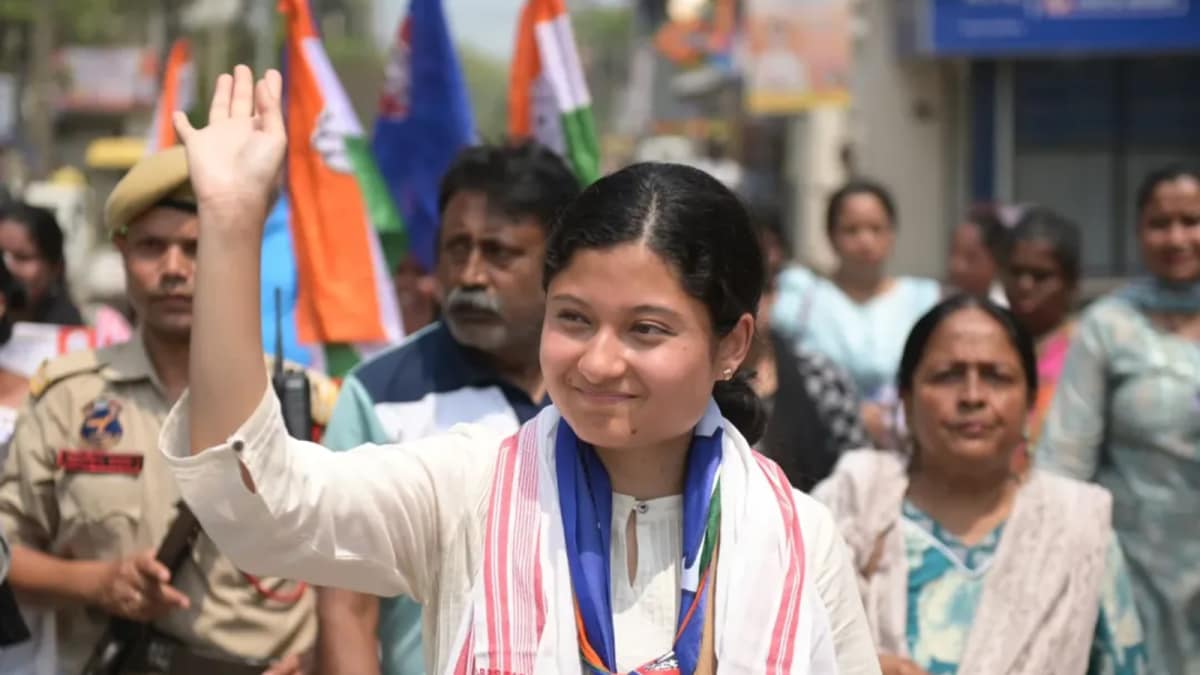
Assam Assembly Election 2026: 27-year-old Kunki Chowdhury is challenging veteran Vijay Kumar in Guwahati Central.
Setting the Stage: The Significance of Guwahati Central
Guwahati Central has long been regarded as a focal point in the political landscape of the northeastern state. The constituency’s urban character, diverse electorate, and strategic location contribute to its reputation as a bellwether for broader state trends. In the forthcoming assembly contest, the race in Guwahati Central has attracted particular attention because it pits a youthful entrant against a seasoned figure, creating a narrative that resonates beyond local boundaries.
The upcoming legislative assembly must chart the future direction of the state, and Guwahati Central's outcome will be examined closely by political observers, party strategists, and civic groups alike. This heightened scrutiny reflects the constituency’s role as a microcosm of the larger electoral dynamics at play across the state.
Profile of the Emerging Candidate: Kunki Chowdhury
Kunki Chowdhury, aged 27, represents a generation that has grown up in an era defined by rapid technological change, expanding access to education, and a heightened awareness of global issues. As a member of the demographic cohort often labeled Generation Z, Kunki Chowdhury embodies the aspirations and concerns of many young voters who are eager to see fresh perspectives within the legislative chamber.
Educational credentials include a deGree from a prominent university, where Kunki Chowdhury engaged in student leadership activities and community outreach initiatives. These formative experiences have shaped a political outlook that emphasizes transparency, digital engagement, and inclusive governance. Kunki Chowdhury’s campaign messaging consistently underscores the importance of harnessing technology to improve public service delivery and foster greater citizen participation.
Beyond academic achievements, Kunki Chowdhury has been involved in grassroots initiatives that address local challenges, such as improving sanitation, expanding youth employment opportunities, and promoting environmentally sustainable practices. These efforts have helped to build a reputation for hands‑on problem solving and a willingness to listen directly to constituents.
Profile of the Seasoned Contender: Vijay Kumar
Vijay Kumar stands as a veteran figure in the political arena of the state, having served multiple terms in various capacities. Decades of experience have provided Vijay Kumar with an intimate understanding of legislative procedures, constituency development, and the intricacies of coalition building. The longevity of Vijay Kumar’s career is reflected in a track record of delivering infrastructure projects, educational institutions, and health facilities to the people of Guwahati Central.
Throughout years of public service, Vijay Kumar has cultivated a network of relationships across party lines, civil society organizations, and the business community. This extensive network has often been credited with facilitating the smooth implementation of development schemes and ensuring that the constituency benefits from broader state‑level initiatives.
Vijay Kumar’s political philosophy emphasizes stability, continuity, and the preservation of proven governance models. Campaign rhetoric frequently highlights the value of experience in navigating complex administrative challenges and safeguarding the interests of long‑standing residents.
A Generational Contest: What the Face‑off Represents
The direct competition between Kunki Chowdhury and Vijay Kumar transcends a simple electoral race; it symbolizes a broader conversation about the direction of public life. On one side, Kunki Chowdhury’s youth and digital fluency suggest a push toward modernizing governance, embracing innovative solutions, and amplifying the voice of younger citizens. On the other side, Vijay Kumar’s extensive experience offers arguments for the continued relevance of seasoned insight, institutional memory, and time‑tested policy frameworks.
This juxtaposition is resonating strongly with voters who are evaluating how best to balance the need for fresh ideas with the desire for proven competence. Both candidates have framed their respective narratives around service to the people of Guwahati Central, yet the lens through which they propose to achieve that service differs markedly based on their backgrounds.
Campaign Strategies and Voter Outreach
Kunki Chowdhury’s campaign has leveraged social media platforms, interactive webinars, and mobile applications to reach a digitally connected electorate. Content produced by the campaign includes short video explainers, live Q&A sessions, and data‑driven infographics that break down policy proposals into accessible formats. The emphasis on digital tools reflects an understanding that many constituents prefer to receive information quickly and on devices they use daily.
In contrast, Vijay Kumar’s outreach strategy combines traditional canvassing, community meetings, and the use of local media outlets that have historically served as trusted sources of information for the electorate. Door‑to‑door visits, attendance at cultural festivals, and participation in neighborhood forums remain central to Vijay Kumar’s approach, reinforcing a personal connection that has been honed over years of public interaction.
Both campaign teams have organized public gatherings, where electorate members are invited to voice concerns and ask questions. These events have become arenas for documented policy debates, allowing Kunki Chowdhury and Vijay Kumar to articulate their visions side by side before a live audience.
Key Issues Driving the Contest
Although the election is still forthcoming, several themes have emerged as focal points of discussion. Education quality, employment generation for youth, urban infrastructure development, and environmental sustainability have all been highlighted by both candidates. Kunki Chowdhury frequently stresses the creation of technology‑enabled learning centers and skill‑development programs aimed at aligning local talent with emerging market demands. In parallel, Vijay Kumar emphasizes the expansion of existing schools, the maintenance of road networks, and the preservation of Green spaces that have historically defined the constituency’s character.
Public health, particularly access to affordable medical services, has also figured prominently in campaign dialogues. Kunki Chowdhury advocates for telemedicine platforms and community health workshops, whereas Vijay Kumar underscores the need for well‑staffed clinics and the procurement of essential medical equipment.
The emphasis on these issues reflects an understanding that both generations recognize the importance of improving everyday life for residents, albeit through different modalities.
Electorate Composition and Expectations
Guwahati Central’s voters comprise a blend of long‑time residents, young professionals, students, and small‑business owners. This diverse demographic mosaic has led to a spectrum of expectations, ranging from a desire for continuity in public services to a call for transformative change. Younger constituents are particularly attuned to digital engagement and often seek leaders who can translate technological trends into tangible benefits for the community.
Older voters, many of whom have witnessed multiple election cycles, tend to value the stability and familiarity that come with experience. Their voting calculus frequently incorporates assessments of past performance, reliability in delivering promised projects, and the ability to navigate bureaucratic processes efficiently.
The interplay of these differing priorities creates a dynamic environment in which candidates must balance outreach methods, policy emphasis, and messaging tone to resonate across age groups.
Potential Impact of the Election Outcome
If Kunki Chowdhury secures the seat, the result could be interpreted as an endorsement of generational renewal and a shift toward a more digitally oriented governance model within the constituency. Such a victory would likely encourage other young aspirants to pursue elected office, potentially reshaping the composition of the legislative assembly over subsequent terms.
Conversely, should Vijay Kumar retain the seat, the outcome would reinforce the continued relevance of seasoned leadership and suggest that the electorate places a premium on proven stewardship and continuity. A victory for Vijay Kumar would also affirm the efficacy of traditional campaign practices and the enduring trust that long‑standing public servants can command.
Regardless of the winner, the contest itself signals a vibrant democratic process in which divergent perspectives are presented to voters, fostering robust public discourse and encouraging active citizen participation.
Conclusion: A Defining Moment for Guwahati Central
The impending assembly race in Guwahati Central stands as a compelling illustration of how political landscapes can evolve while still honoring established pathways of service. Kunki Chowdhury, at 27, embodies the drive of a generation seeking to integrate modern tools into public administration, whereas Vijay Kumar exemplifies the depth of insight that comes from decades of dedicated representation.
As the electorate prepares to cast its votes, the choice before them encapsulates fundamental questions about the balance between innovation and experience, between digital connectivity and personal interaction, and between the promise of change and the assurance of continuity. The final decision will shape not only the immediate governance of Guwahati Central but also the broader narrative of generational collaboration within the state’s political fabric.