Ayatollah Ali Khamenei’s Late‑Stage Green Light Clears Path for Iran‑U.S. Ceasefire
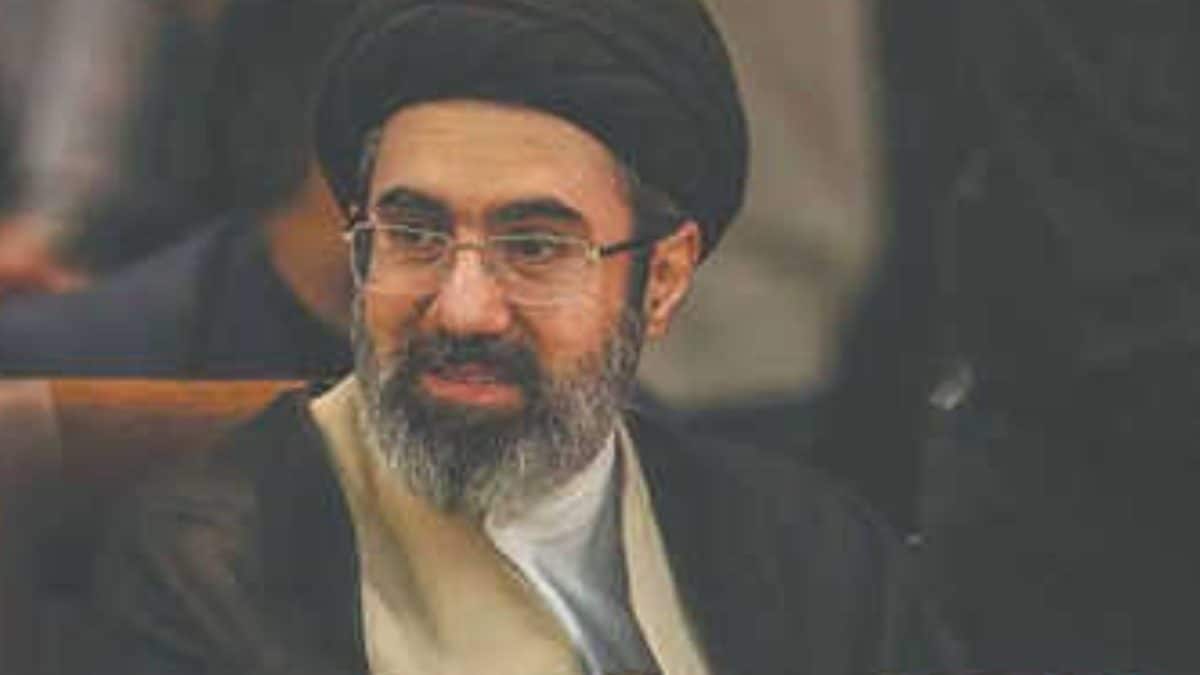
Iranian Foreign Minister Abbas Araghchi also played a central role in advancing talks and persuading military leadership to accept a deal.
Ayatollah Ali Khamenei, the Supreme Leader of Iran, intervened at a critical juncture, granting permission for Tehran to pursue a cease‑fire with the United States. This intervention occurred while President Donald Trump publicly warned of possible escalation, according to reports from Axios. Follow Live Updates Here
For the first time since the outbreak of hostilities, Ayatollah Ali Khamenei instructed Iranian negotiators to shift toward a settlement, marking a breakthrough after weeks of intensified combat and stalled diplomatic channels.
Behind‑the‑Scenes Push for a Deal
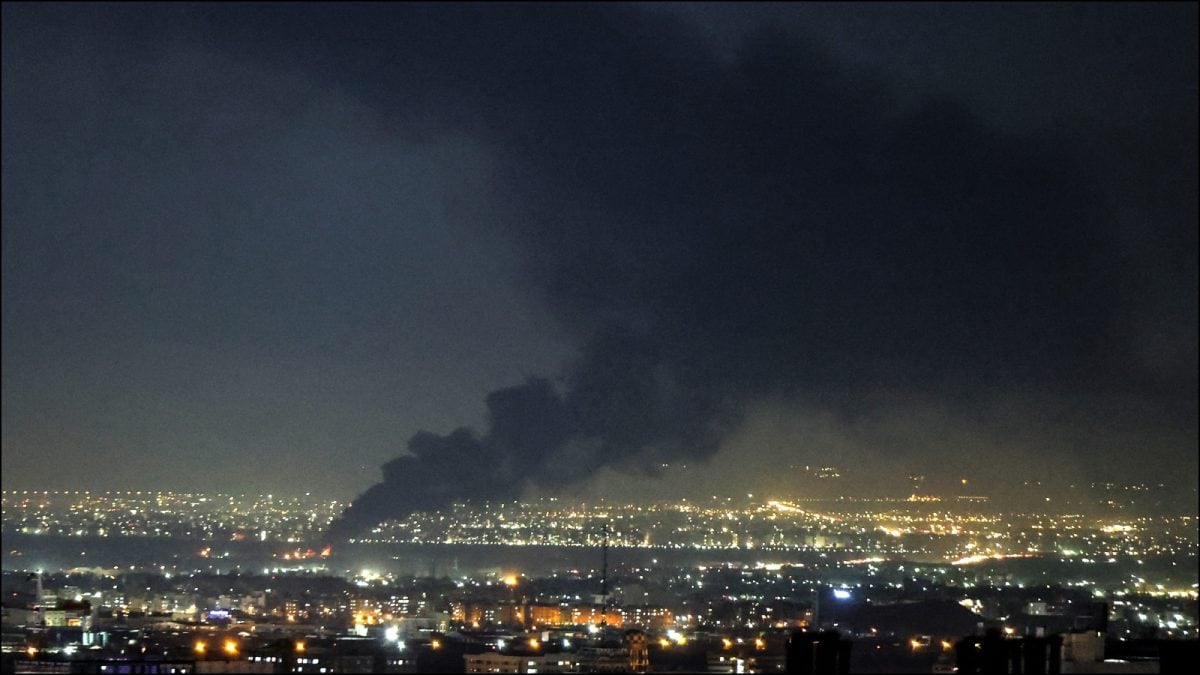
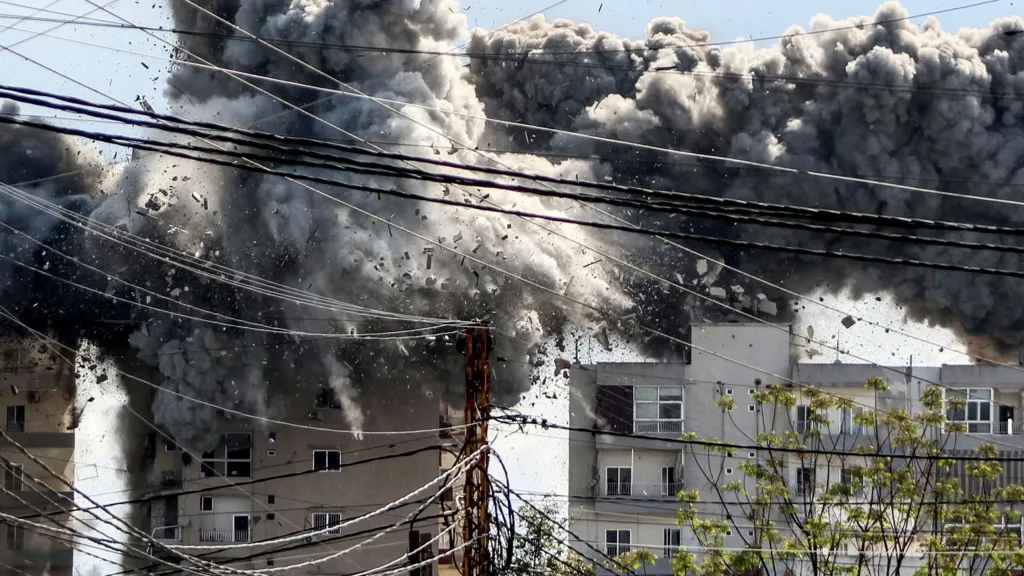
The strategic shift emerged as United States and Israeli officials prepared for a potential large‑scale confrontation. Pentagon officials and United States forces stationed in the region braced for a major bombing campaign, while regional allies anticipated a significant retaliatory response from Iran.
Negotiations accelerated as United States envoy Steve Witkoff rejected Iran’s initial ten‑point proposal, labeling it insufficient. The rejection triggered a rapid series of revisions. Pakistani mediators shuttled updated drafts between Washington and Tehran, while Egypt and Turkey contributed additional diplomatic bridges to narrow the gaps.
By the end of the first negotiation day, an amended proposal outlining a two‑week cease‑fire secured United States approval. The final authorization rested with Ayatollah Ali Khamenei, who remained closely engaged throughout the process.
Ayatollah Ali Khamenei’s Role and the Final Green Light
Operating under heightened security protocols and communicating through trusted intermediaries, Ayatollah Ali Khamenei’s endorsement was described by multiple sources as the pivotal moment that unlocked the path to a cease‑fire.
Iranian Foreign Minister Abbas Araghchi also played a central role in advancing talks and persuading Iran’s military leadership to accept a deal, while China advised Tehran to pursue a diplomatic off‑ramp.
“Without Ayatollah Ali Khamenei’s Green light, there wouldn’t have been a deal,” a regional source reported, as cited by Axios.
Cease‑fire Takes Shape Amid Lingering Uncertainty
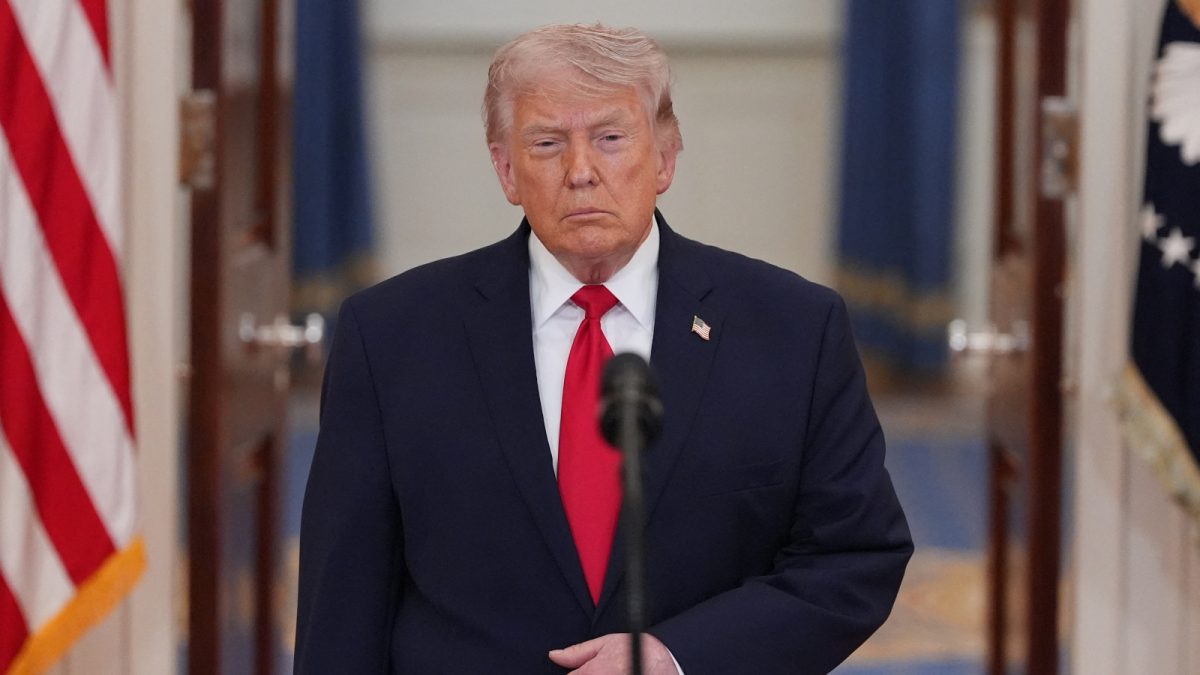
By the following morning, negotiators were edging closer to an aGreement, even as President Donald Trump issued a stark warning that “a whole civilization will die tonight,” adding to the atmosphere of uncertainty surrounding the outcome.
Contrary to circulating reports suggesting the talks had collapsed, officials directly involved confirmed that negotiations continued and were gaining momentum.
Vice President JD Vance engaged with Pakistani mediators, while Israeli Prime Minister Benjamin Netanyahu maintained close contact with President Donald Trump, reflecting Israeli concerns about maintaining influence in the evolving diplomatic landscape.
By midday, a broad consensus emerged around a two‑week cease‑fire. Pakistani Prime Minister Shehbaz Sharif publicly outlined the proposed terms only hours later, urging both Tehran and Washington to accept the framework.
President Donald Trump, facing pressure from regional allies to reject the arrangement, ultimately moved forward after securing Israel’s commitment and concluding final discussions with Pakistani leadership.
United States forces received orders to stand down shortly after the public announcement, and Iran confirmed its intention to honor the cease‑fire and to reopen the Strait of Hormuz under coordinated arrangements.
Fragile Truce and Unresolved Core Issues
Although the cease‑fire has halted active hostilities, profound differences persist between the United States and Iran on several critical matters, including nuclear policy, regional security architecture, and maritime freedom in the Strait of Hormuz.
Officials indicated that upcoming talks scheduled to take place in Pakistan—likely led by Vice President JD Vance on behalf of the United States—will be decisive in determining whether the temporary truce can evolve into a longer‑term settlement or whether the conflict may reignite.
The diplomatic community remains vigilant, recognizing that the durability of the cease‑fire hinges on sustained political will from Ayatollah Ali Khamenei, Iranian Foreign Minister Abbas Araghchi, President Donald Trump, and their respective advisers.