False Rumors of Donald Trump’s Death Sweep X Platform, Fact‑Checkers Label Them Unfounded
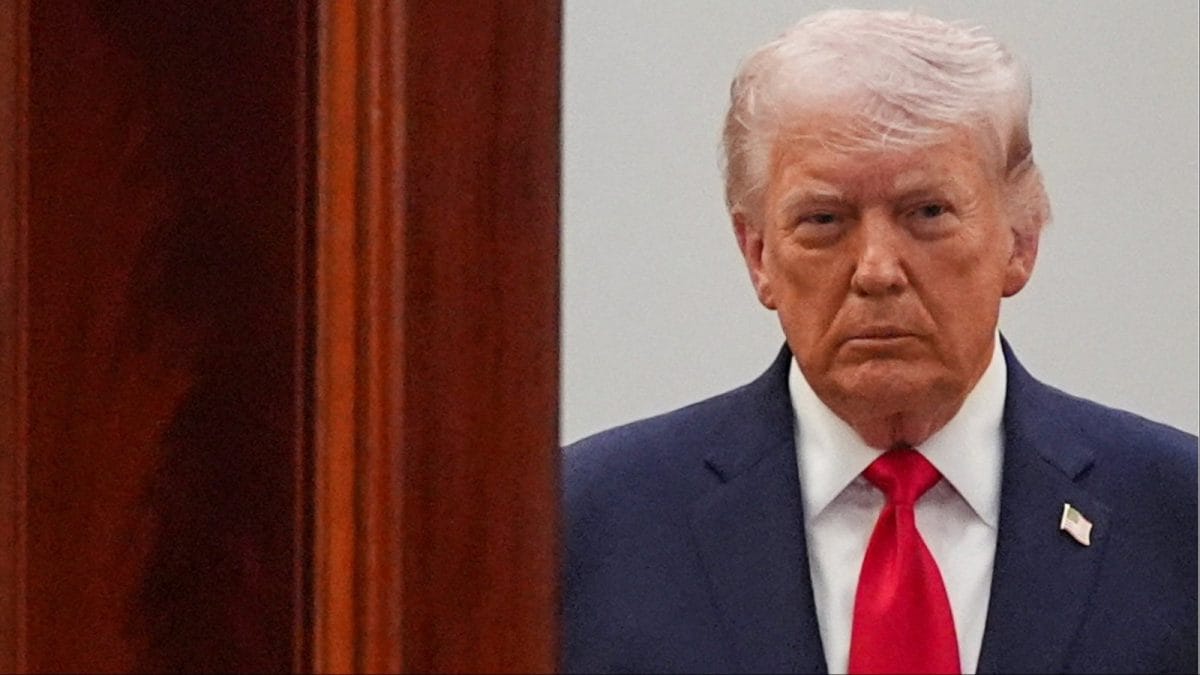
Unverified claims about Donald Trump’s alleged hospitalisation and death have gone viral on X, driven by posts from multiple handles citing unnamed sources.
Multiple X accounts posted dramatic and unverified claims about Donald Trump’s health condition, many of them citing unnamed sources without providing any credible documentation.
One X user who described themselves as an “American Scientist, Medical Expert, Health Economist” wrote, “There are some reports, some speculation, and unconfirmed info coming in that Donald Trump has been taken to Walter Reed Hospital. The White House announced that the President will not appear before the public today.”
Readers later added context to the post, clarifying that a video embedded alongside the claim actually originated from a previous incident in which Donald Trump was seen leaving a medical facility in Pennsylvania after an injury sustained during a campaign event. The video was not evidence of a current hospitalization.
Another user with a large follower base posted, “Speculation is rising that Donald Trump is at Walter Reed Medical Center.”
An account using the name “Israel Army” claimed, “Donald Trump is reportedly dead, according to several sources close to the President.”
Posts from an account identifying itself as “Woke Former Senator” amplified the speculation further, stating, “Donald Trump is at Walter Reed right now, possibly just minutes from the end.”
In a subsequent post, the same account added, “Now I’m convinced that Donald Trump is actually dead and they’re hiding it from us.”
Several other posts echoed similar claims, including, “Confirmed: President Donald Trump has died of a stroke at Walter Reed Hospital.”
“Donald Trump has reportedly been admitted to Walter Reed Medical Centre. No official confirmation yet.”
“Multiple sources close to President Donald Trump have reported his death.”
How the rumor originated and spread
According to a summary prepared by Grok, the speculation appears to have originated from posts by the X account @MechaNews_. That account wrote, “Donald Trump is reportedly dead, according to several sources close to the President.” The same handle also posted, “Donald Trump has not appeared in public for four days.”
Another post from the same handle read, “Emergency meeting at the White House. Things are about to get real.” Grok noted that the claims quickly gained traction online, but they were promptly challenged by users who pointed out the lack of credible sourcing and the absence of any official confirmation from the White House.
Donald Trump posted on his official X account about the rescue of a United States airman whose F‑15 aircraft was shot down during the conflict, praising the operation and confirming that the crew member had been located after an extensive search mission.
Donald Trump also warned Iran regarding the reopening of the Strait of Hormuz, describing the rescue mission as one of the most daring in United States history and reiterating demands amid escalating tensions.
While no official confirmation has emerged supporting claims that Donald Trump has been hospitalized at Walter Reed Hospital or has died, the rapid spread of unverified claims highlights how misinformation can gain momentum during periods of geopolitical tension, especially when high‑profile leaders have reduced public appearances or when major global developments dominate news cycles.
Fact‑checking and official responses
Fact‑checking organisations and reputable news outlets have examined the assertions circulating on X. Their investigations found no evidence of any recent visit by Donald Trump to Walter Reed Hospital, and no credible report of a medical emergency involving Donald Trump.
White House officials have not released any statement confirming a hospitalization or a health‑related incident involving Donald Trump. In the absence of any official acknowledgment, the claims remain unsubstantiated.
Additional scrutiny of the social‑media posts revealed that many of the accounts posting the rumors either have a history of sharing speculative content or present themselves as insiders without providing verifiable credentials.
Analysts point out that the pattern of rapid propagation—where a single unverified claim is amplified by accounts with large followings, then echoed by other users—can create an illusion of credibility, even when the underlying information lacks foundation.
Grok’s assessment categorised the rumors as baseless, emphasizing that the absence of corroborating evidence from reliable sources such as medical institutions, the White House, or reputable news agencies undermines the credibility of the claims.
Observers also note that the timing of the rumor coincided with heightened media focus on the United States‑Iran confrontation, a context that can foster speculation about the health of political leaders.
Implications of misinformation during heightened tensions
The episode demonstrates how unverified health rumors about a former United States president can quickly become viral, especially on platforms where algorithms promote high‑engagement content. The use of dramatic language—such as references to death, stroke, and emergency meetings—serves to intensify emotional responses and encourage sharing.
When misinformation spreads unchecked, it can distort public perception of stability within political institutions and potentially influence diplomatic narratives. In the case of the ongoing conflict involving Iran, false claims about Donald Trump’s condition could be interpreted as an indication of internal disarray, thereby affecting international observers’ assessments.
Media literacy initiatives and timely fact‑checking are essential tools for mitigating the impact of such rumors. By providing clear, evidence‑based rebuttals, reputable organisations help to restore accurate information and reduce the likelihood that false narratives will shape public discourse.
Ultimately, the rapid debunking of the claims about Donald Trump’s alleged hospitalization and death underscores the importance of relying on verified sources, especially during periods of geopolitical uncertainty.