FIA Launches Emergency Review as New F1 Power‑Unit Rules Ignite Controversy
Following a brief three‑race trial, the radical hybrid engine package that underpins the 2026 Formula 1 season is under the microscope. The governing body, the FIA, has called an immediate technical assessment to dissect energy‑management dilemmas that have already divided drivers, engineers, and fans.
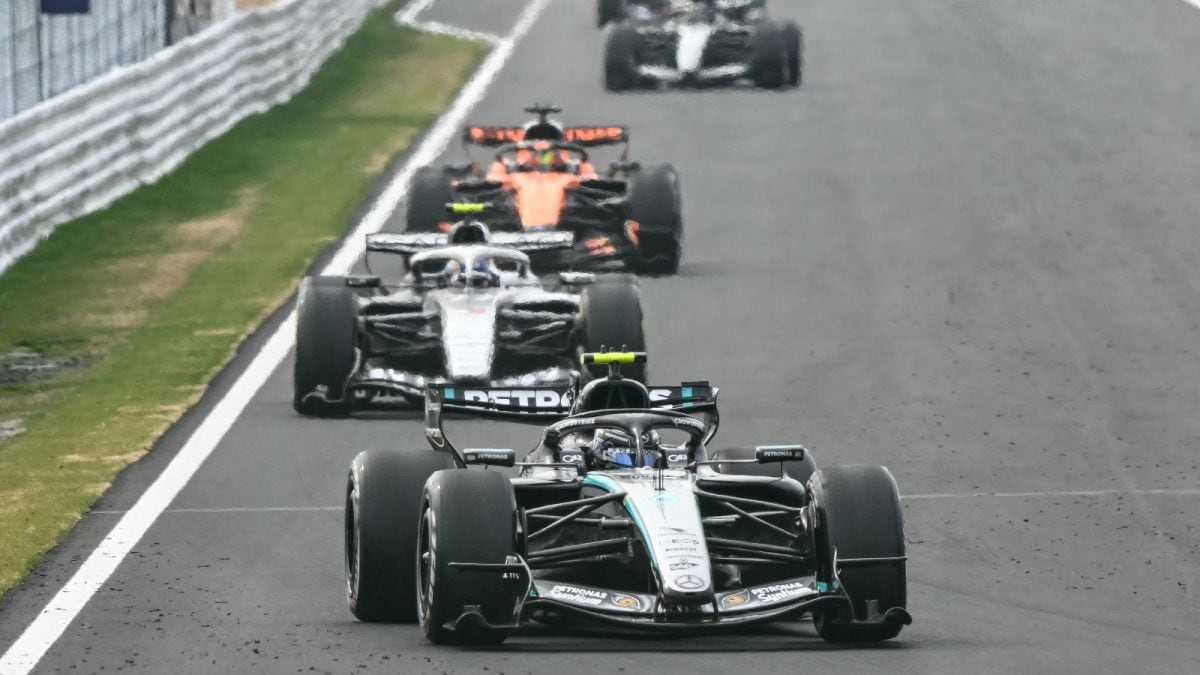
Why the New Power‑Unit Rules Matter
The 2026 technical package introduced a hybrid power‑unit that splits output roughly fifty‑fifty between a traditional internal‑combustion engine and a high‑capacity electric motor. The ambition was to push the sport toward a Greener future while preserving the quintessential speed and excitement that define Grand Prix racing.
In theory, the equal split should reward efficiency without sacrificing raw performance. In practice, teams have reported unforeseen complications that ripple through every lap, from qualifying pace to race‑day strategy. The FIA’s decision to trigger a structured review reflects a collective acknowledgment that the data harvested from the opening rounds demand a deeper, systematic investigation.
Key Technical Challenges: Lift‑and‑Coast and Super‑Clipping
Two phenomena have dominated conversation among engineers and commentators alike. The first, commonly described as “lift‑and‑coast,” forces drivers to release throttle earlier than they would under the previous regulations. By coasting, the vehicle harvests kinetic energy that is stored in the battery for later use. While the technique aligns with the hybrid philosophy, it also requires drivers to sacrifice momentum on sections of track that were historically all‑out sprints.
The second issue, known as “super‑clipping,” automatically redirects a portion of engine power into the battery during full‑throttle runs. The result is a subtle but measurable reduction in straight‑line speed, even when the driver is demanding maximum output. Teams have explained that super‑clipping is intended to smooth energy flow, but the side‑effect is a noticeable deceleration that can alter overtaking opportunities and defensive lines.
Both lift‑and‑coast and super‑clipping are deeply intertwined with the sport’s new energy‑management architecture. The upcoming technical session will dissect how these mechanisms interact with vehicle dynamics, tire wear, and driver workload.
Impact on Racing Dynamics and Overtaking
Proponents of the new system argue that the added layer of strategic depth has already produced more varied overtaking moves. Drivers capable of extracting energy efficiently can slingshot past competitors who are low on stored charge, creating a “cat‑and‑mouse” effect that some fans find thrilling.
Critics, however, point out that the disparity in battery levels can lead to uneven speed differentials, especially during qualifying sessions where every millisecond counts. When one car is in a high‑energy state and another is depleted, the gap can widen dramatically, potentially compromising the notion of a level playing field.
The debate extends to whether the new energy‑management tools truly enhance competition or simply replace traditional gear‑shifting drama with a different kind of tactical chess game. The forthcoming FIA review will assess whether the balance tips toward genuine sporting improvement or introduces unintended inequities.
Driver Reactions: From Acceptance to Outrage
Among the driver cohort, opinions span the spectrum. A number of seasoned competitors have expressed cautious optimism, noting that the hybrid platform rewards smooth driving styles and could extend car lifespans through reduced mechanical stress. Others have voiced stark opposition, emphasizing that the current state hampers the visceral connection between driver and machine.
Max Verstappen has emerged as one of the most outspoken detractors. Max Verstappen labeled the racing experience under the new rules as resembling a video‑game title, describing it as “fundamentally flawed” and likening the feel to a cartoonish competition rather than genuine high‑speed motor sport. Max Verstappen’s remarks have resonated through paddocks, fueling a broader conversation about the sport’s direction.
Beyond Max Verstappen, several drivers have highlighted safety concerns. The variance in speed caused by differing energy reserves can force cars to close gaps unexpectedly, raising the risk of contact in high‑speed corners. The dialogue on driver safety is expected to feature prominently in the technical session convened by the FIA.
Safety Considerations and Qualifying Disparities
The blend of lift‑and‑coast and super‑clipping introduces a new variable into the already complex calculus of car handling. When a driver must lift off the throttle earlier, the car’s behavior through a corner changes, potentially altering the racing line that other drivers have memorized. This shift can produce unexpected side‑by‑side encounters, especially when a trailing car is in a high‑energy state while the leading car is coasting.
Qualifying sessions have amplified these concerns. Drivers who manage to preserve battery charge through early laps can unleash a sudden surge of power in later attempts, creating a stark contrast with rivals who have exhausted much of their stored energy. The resulting speed differentials have prompted calls for a more uniform approach to energy allocation during the qualifying format.
Addressing these safety and fairness questions forms a core part of the FIA’s agenda. The governing body has repeatedly emphasized that any modifications to the technical regulations must undergo rigorous simulation and data‑driven analysis before implementation.
FIA’s Structured Review Process
The FIA has explicitly stated that a methodical review is essential to gather sufficient performance data, evaluate driver feedback, and test potential rule tweaks in a controlled environment. The organization highlighted that stakeholders have collectively aGreed on the need for a comprehensive assessment, ensuring that any future changes rest on a solid empirical foundation.
During the emergency meeting scheduled in London, technical representatives from each team will present their findings, focusing on energy‑management efficiency, lift‑and‑coast implementation, and the impact of super‑clipping on race craft. The gathering marks the first of a series of consultations designed to pinpoint where the current regulations succeed and where they fall short.
Following the technical briefing, team principals and senior FIA officials are slated to convene for a decision‑making session. Proposals emerging from the discussion will be subjected to an electronic vote, allowing the collective body to endorse or reject targeted amendments before the next Grand Prix weekend.
Looking Ahead: Potential Adjustments and Their Implications
While the FIA cautions against expecting an immediate overhaul, the organization acknowledges that subtle refinements could enhance both the competitive spectacle and the safety envelope. Possible avenues include recalibrating the threshold at which super‑clipping engages, adjusting the allowable duration of lift‑and‑coast phases, or introducing a more balanced energy‑recovery formula.
Any amendment will be scrutinized through extensive computer simulations and, where feasible, on‑track testing. The objective is to preserve the sustainability ethos of the hybrid platform while restoring the high‑octane thrill that defines Formula 1.
In the weeks ahead, the sport will observe a rare pause, free from the pressure of an imminent race weekend, to digest the early data and chart a path forward. Whether the forthcoming changes will satisfy Max Verstappen’s calls for a return to pure performance or cement a new era of strategic racing remains to be seen.