Iran Blames United States of Undermining 10‑Point Ceasefire Blueprint, Threatens Strategic Pullback
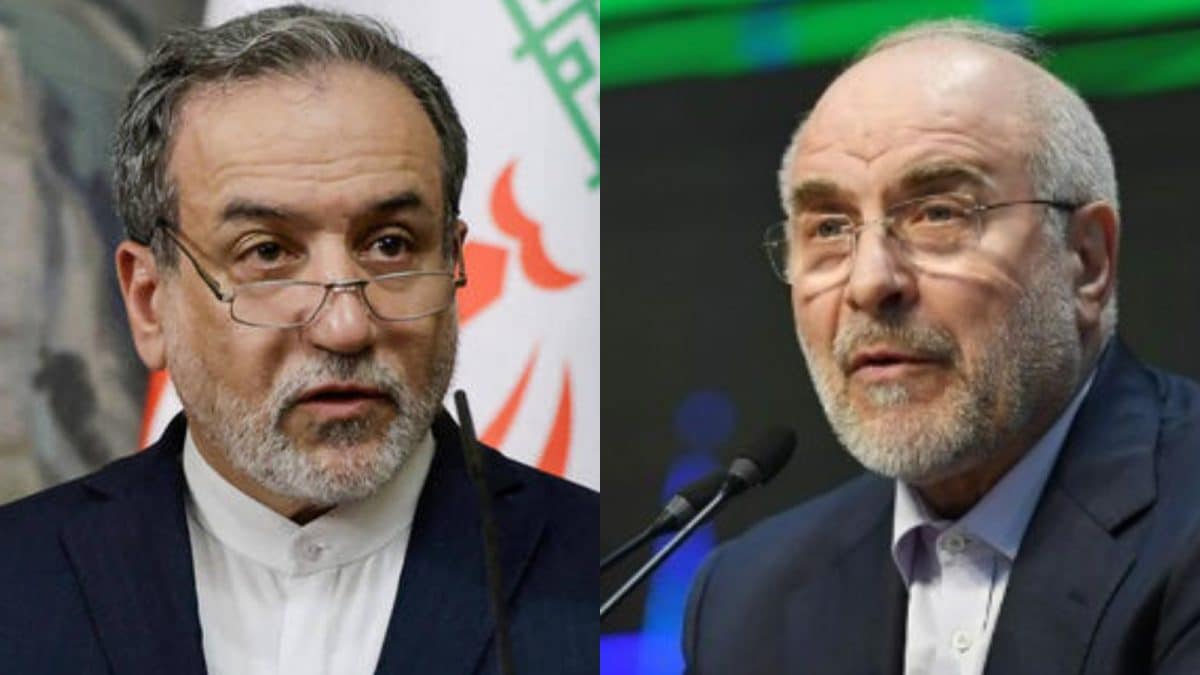
Iranian Parliament Speaker Mohammad Bagher Ghalibaf issued a statement on X and said that three core clauses of the plan had already been breached.
Background of the Proposed Negotiation Framework
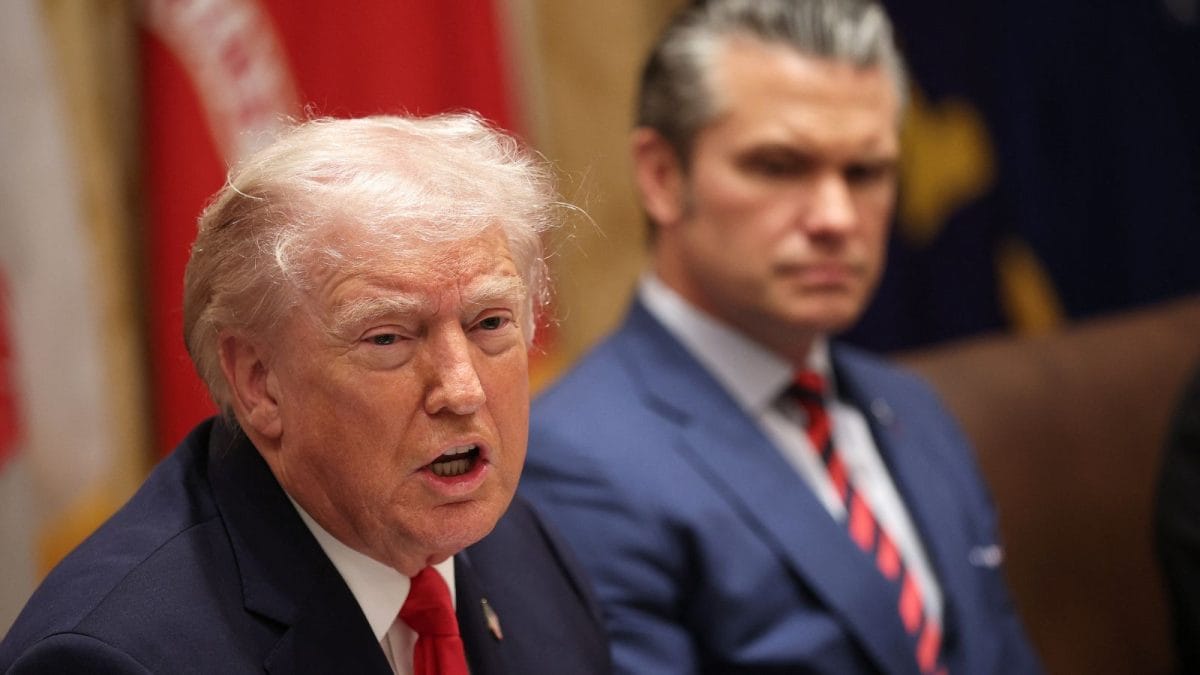
The diplomatic community has been closely monitoring a proposed ten‑point negotiation framework that was intended to serve as a foundation for de‑escalation across a volatile region. The blueprint, initially highlighted by US President Donald Trump as a “workable basis on which to negotiate,” outlined specific commitments designed to halt hostilities, safeguard sovereign airspace, and recognize the right of certain states to pursue nuclear enrichment under internationally accepted safeguards.
The document’s essential components included a ceasefire that extended to conflict zones in Lebanon, a guarantee that no unauthorized aircraft or unmanned systems would enter the airspace of the Islamic Republic of Iran, and an explicit acknowledgment of the Islamic Republic of Iran’s entitlement to continue uranium enrichment activities in accordance with its legal rights.
Although the framework had not yet entered formal negotiations, the mere existence of a mutually accepted outline raised hopes that a fragile peace could be preserved while diplomatic channels were opened.
Iranian Parliament Speaker Mohammad Bagher Ghalibaf’s Accusations
Iranian Parliament Speaker Mohammad Bagher Ghalibaf took to the social media platform X to voice a stark assessment of the situation. In a detailed statement, Iranian Parliament Speaker Mohammad Bagher Ghalibaf asserted that three core clauses of the ten‑point plan had already been violated, casting serious doubt on the viability of any forthcoming talks.
According to Iranian Parliament Speaker Mohammad Bagher Ghalibaf, the first breach involved the failure to uphold a ceasefire in Lebanon. Iranian Parliament Speaker Mohammad Bagher Ghalibaf highlighted that hostilities continued unabated in the Lebanese theater, directly contradicting the promised suspension of military actions.
The second alleged violation centered on an intrusion into the sovereign airspace of the Islamic Republic of Iran. Iranian Parliament Speaker Mohammad Bagher Ghalibaf recounted an incident in which a drone entered Iranian airspace and was subsequently downed by defensive forces in Fars province, an episode he classified as a blatant disregard for the airspace protection clause.
The third point of contention, as articulated by Iranian Parliament Speaker Mohammad Bagher Ghalibaf, related to the denial of the Islamic Republic of Iran’s right to continue uranium enrichment. Iranian Parliament Speaker Mohammad Bagher Ghalibaf argued that the United States had taken steps that effectively undermined the enrichment provision contained within the ten‑point framework.
“The deep distrust we hold toward the United States stems from its repeated violations of all forms of commitments — a pattern that has been repeated once again,” Iranian Parliament Speaker Mohammad Bagher Ghalibaf declared in the statement.
Iranian Parliament Speaker Mohammad Bagher Ghalibaf concluded that the cumulative effect of these three breaches rendered the proposed negotiation platform unstable and unworthy of further pursuit, stating that a bilateral ceasefire or negotiations would be “unreasonable” under such circumstances.
Iranian Foreign Minister Seyed Abbas Araghchi’s Parallel Remarks
Following the remarks of Iranian Parliament Speaker Mohammad Bagher Ghalibaf, Iranian Foreign Minister Seyed Abbas Araghchi echoed a similarly firm stance. Iranian Foreign Minister Seyed Abbas Araghchi emphasized that the terms of the ceasefire were “clear and explicit” and warned the United States against attempting a dual‑track approach that would simultaneously pursue peace while supporting ongoing hostilities.
“The United States must choose—ceasefire or continued war via Israel. It cannot have both,” Iranian Foreign Minister Seyed Abbas Araghchi asserted, adding that “the world is watching whether it will act on its commitments.”
These statements from both Iranian Parliament Speaker Mohammad Bagher Ghalibaf and Iranian Foreign Minister Seyed Abbas Araghchi signal a coordinated diplomatic posture that underscores Tehran’s frustration with what it perceives as a pattern of unfulfilled promises.
Strategic Moves in the Strait of Hormuz
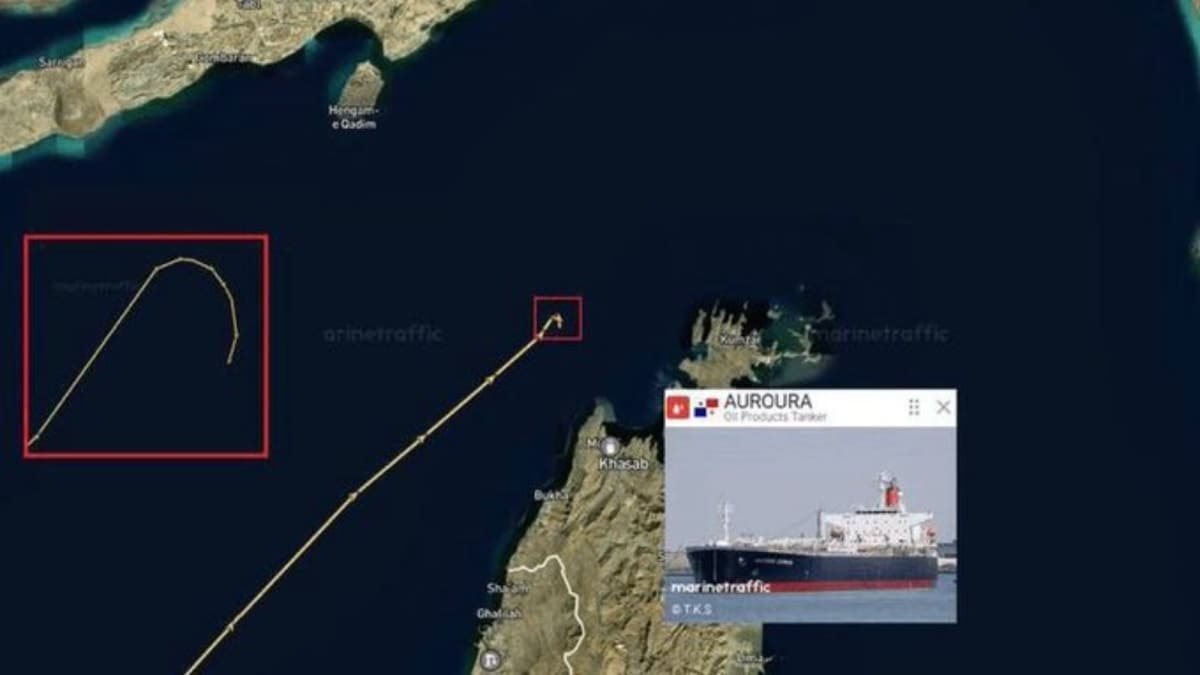
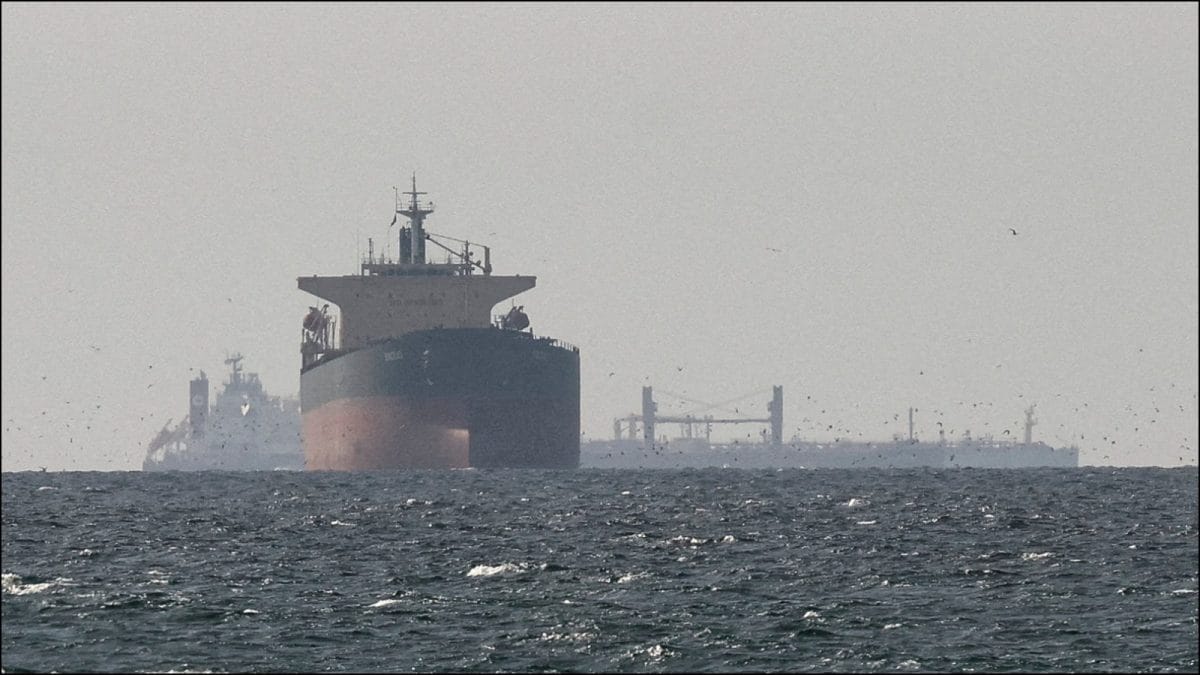
In a related development, the Islamic Republic of Iran halted maritime traffic through the strategically crucial Strait of Hormuz. This action served as a tangible demonstration of Tehran’s capacity to exert pressure on international shipping lanes and signaled that further escalations in Lebanon could trigger a broader withdrawal from the ceasefire framework.
The decision to suspend traffic underscored the Islamic Republic of Iran’s willingness to leverage its geographic advantage in response to perceived violations, thereby adding another layer of complexity to the already strained diplomatic environment.
Israeli Position and Military Activity
Israeli Prime Minister Benjamin Netanyahu reiterated that the ceasefire arrangement did not extend to operations against Hezbollah in Lebanon. Israeli Prime Minister Benjamin Netanyahu affirmed that Israeli military actions in Lebanon would continue unabated, a stance that was later reinforced by statements from the White House.
Shortly after the ceasefire announcement, the Israeli armed forces launched a large‑scale aerial operation against targets linked to Hezbollah. According to Israeli military sources, approximately fifty fighter jets struck close to one hundred objectives across Beirut, the Beqaa Valley, and southern Lebanon within a matter of minutes.
White House Press Secretary Karoline Leavitt clarified that Lebanon was not encompassed by the two‑week aGreement negotiated between the United States and the Islamic Republic of Iran, thereby aligning the United States’ official position with that of Israeli Prime Minister Benjamin Netanyahu.
Hezbollah responded to the Israeli offensive by condemning what it described as “barbaric aggression” and warned that it would launch retaliatory attacks if Israeli forces did not cease operations and withdraw from southern Lebanon.
Implications for Regional Stability
The cumulative effect of the accusations, statements, and military maneuvers has deepened uncertainty across a region already fraught with tension. The alleged breaches cited by Iranian Parliament Speaker Mohammad Bagher Ghalibaf—namely the failure to uphold a ceasefire in Lebanon, the violation of Iranian airspace, and the denial of enrichment rights—challenge the credibility of the ten‑point negotiation framework that was meant to serve as a peace‑building tool.
If the Islamic Republic of Iran proceeds with a full withdrawal from the ceasefire and re‑instates naval disruptions in the Strait of Hormuz, global oil markets could experience significant volatility. Moreover, continued Israeli air strikes in Lebanon could provoke further escalation between Israel and Hezbollah, potentially drawing in additional regional actors.
At the same time, the United States faces pressure to reconcile its diplomatic rhetoric with the actions observed on the ground. United States President Donald Trump’s characterization of the ten‑point framework as a “workable basis” now stands in stark contrast to the triad of alleged violations highlighted by Iranian Parliament Speaker Mohammad Bagher Ghalibaf.
International observers note that the path forward will likely require a renewed commitment to the core principles of the negotiation framework, with explicit confidence‑building measures designed to address the concerns raised by Iranian Parliament Speaker Mohammad Bagher Ghalibaf and Iranian Foreign Minister Seyed Abbas Araghchi.
Potential Diplomatic Pathways
For the ten‑point negotiation framework to regain traction, several diplomatic steps may be considered:
- Reaffirmation of the ceasefire terms, explicitly including Lebanon, to address the grievances expressed by Iranian Parliament Speaker Mohammad Bagher Ghalibaf.
- Implementation of a joint monitoring mechanism to verify compliance with airspace integrity, thereby mitigating accusations of drone incursions.
- Formal acknowledgment of the Islamic Republic of Iran’s right to continue uranium enrichment under established international safeguards, to satisfy the enrichment clause highlighted by Iranian Parliament Speaker Mohammad Bagher Ghalibaf.
- Establishment of a transparent dialogue platform that involves all relevant parties, including Israeli Prime Minister Benjamin Netanyahu, Iranian Parliament Speaker Mohammad Bagher Ghalibaf, Iranian Foreign Minister Seyed Abbas Araghchi, and representatives from Hezbollah, to ensure that each stakeholder’s security concerns are directly addressed.
Such measures could help rebuild the trust that Iranian Parliament Speaker Mohammad Bagher Ghalibaf described as “deeply eroded” by repeated violations, and might pave the way for a more durable cessation of hostilities.