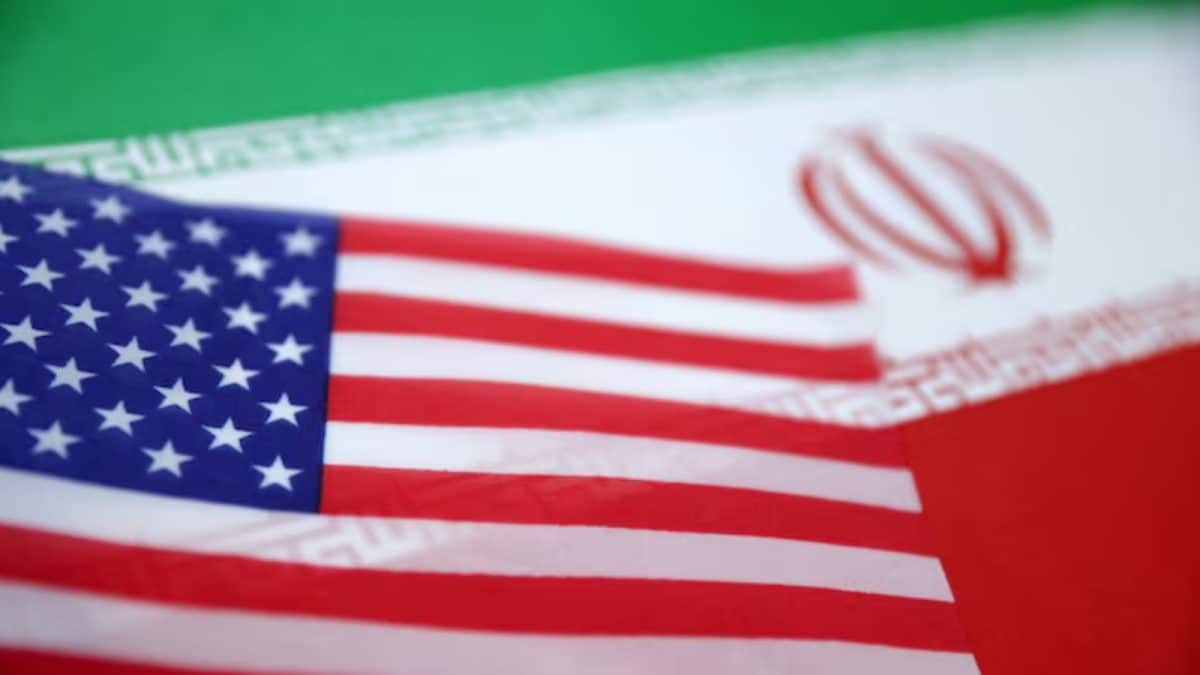
Iran Blocks Strategic Strait After Alleged Ceasefire Breach, Washington Calls Action Unacceptable
The move came amid growing disputes over the terms of the ceasefire, particularly following Israeli strikes on Hezbollah targets in Lebanon.
Strait of Hormuz Closure: Within a day of President Donald Trump announcing a ceasefire with Iran, Tehran announced the closure of the Strait of Hormuz. The announcement framed the closure as a direct response to what Iran described as violations of the ceasefire aGreement.
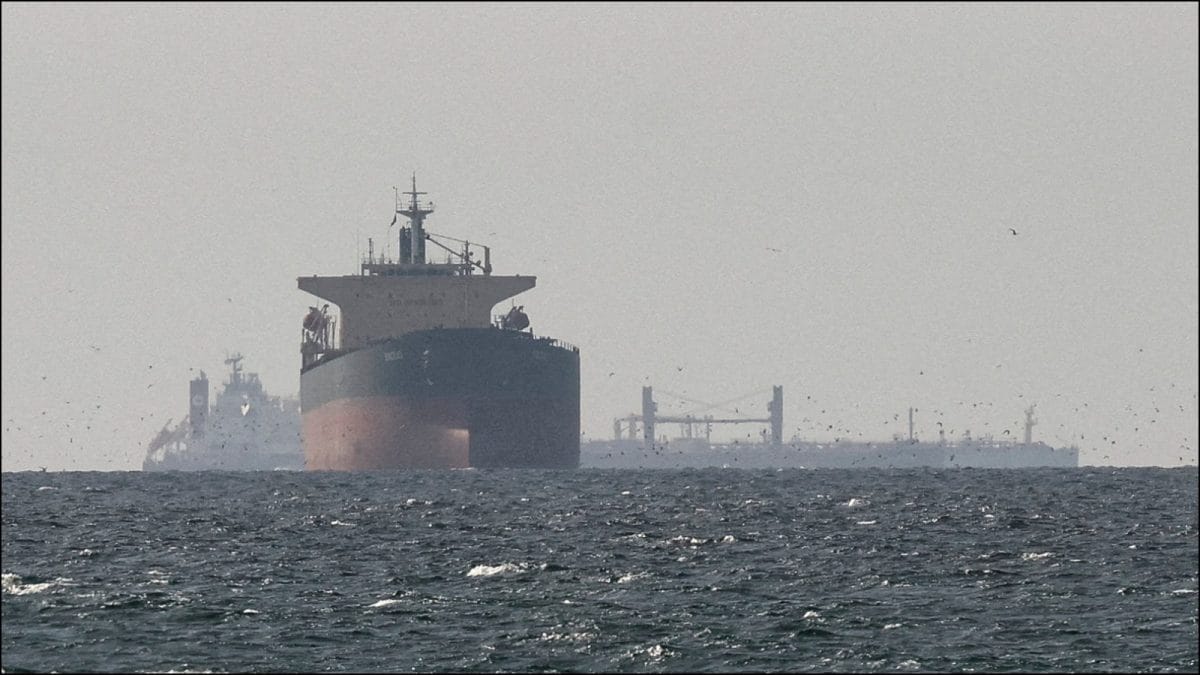
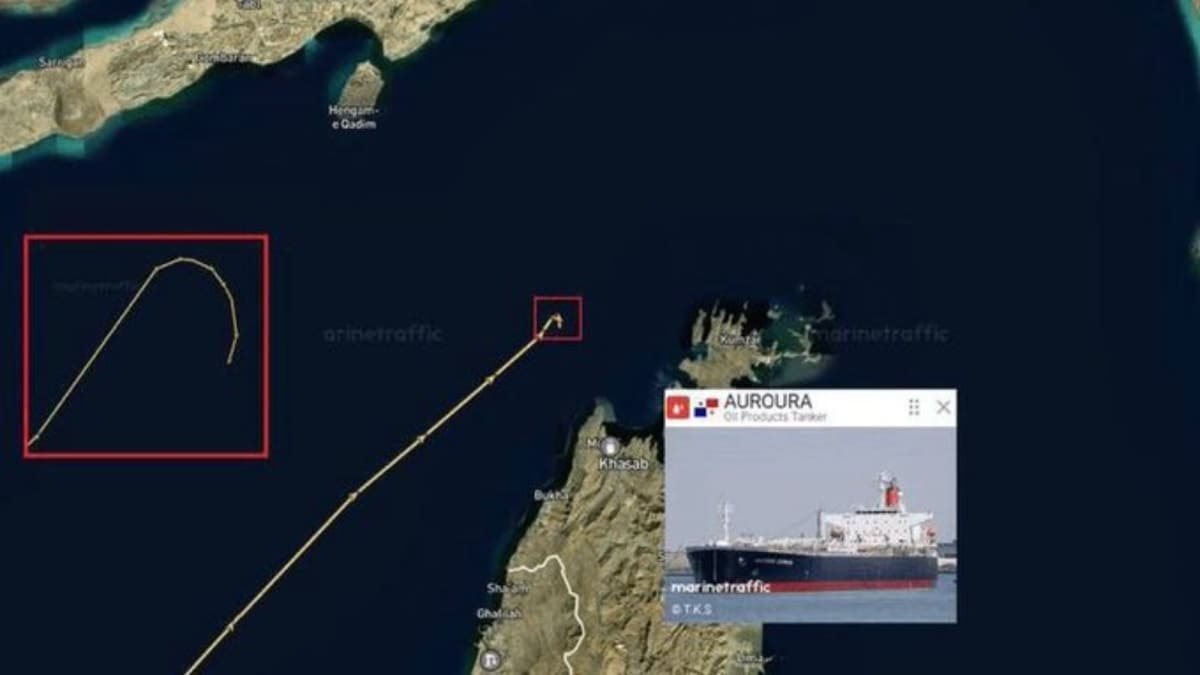
Maritime tracking sources documented multiple commercial vessels aborting their journey near the narrow waterway. Among the vessels recorded turning back was the oil tanker AUROURA, which performed a sudden 180‑deGree turn off the Musandam coast before re‑entering the Persian Gulf, according to Iran’s Press TV.
Iranian state news agency Fars News confirmed that the passage of oil tankers through the Strait of Hormuz was temporarily halted. Shipping partners reported that several ships already positioned inside the waterway received written notices from the Iranian Navy stating that the waterway remains closed until further notice.
In reaction to the closure, White House Press Secretary Karoline Leavitt labeled the action “completely unacceptable.” White House Press Secretary Karoline Leavitt urged Tehran to reopen the vital waterway without delay, emphasizing that the reopening must be swift, safe, and immediate.
“I will reiterate the president’s expectation and demand that the Strait of Hormuz is reopened immediately, quickly, and safely,” White House Press Secretary Karoline Leavitt said in a public statement.
White House Press Secretary Karoline Leavitt’s remarks underscored the strategic importance of the Strait of Hormuz, a chokepoint that facilitates the movement of roughly one‑fifth of global oil supplies.
The closure unfolded against a backdrop of intensifying disaGreements over the scope of the ceasefire. Israeli Prime Minister Benjamin Netanyahu has repeatedly stated that the ceasefire does not extend to Hezbollah, signalling that Israeli military activity in Lebanon would continue despite the broader aGreement.
Shortly after President Donald Trump’s ceasefire declaration, Israeli forces launched a large‑scale aerial campaign targeting approximately one hundred sites across Lebanon. The operation represented one of the most extensive Israeli air offensives in the region in recent memory.
Iranian Parliament Speaker Mohammad Bagher Ghalibaf accused the United States of breaching essential components of a ten‑point negotiation framework before formal talks could begin. Iranian Parliament Speaker Mohammad Bagher Ghalibaf highlighted alleged United States violations concerning a ceasefire in Lebanon, unauthorized incursions into Iranian airspace, and the denial of Tehran’s right to pursue uranium enrichment.
“The very basis for talks has been clearly violated even before negotiations began,” Iranian Parliament Speaker Mohammad Bagher Ghalibaf said, adding that continued negotiations under such circumstances would be unreasonable.
Foreign Minister Seyed Abbas Araghchi issued a stern warning to Washington, stating that the United States must choose between honoring the ceasefire or enabling continued hostilities through Israeli actions. Foreign Minister Seyed Abbas Araghchi declared, “The United States must choose—ceasefire or continued war via Israel. It cannot have both.”
Pakistan’s Prime Minister Shehbaz Sharif, who has been positioned as a mediator in the regional talks, previously advocated that the ceasefire should be universal, extending to Lebanon and all surrounding territories. Pakistan’s Prime Minister Shehbaz Sharif emphasized that a comprehensive ceasefire would foster regional stability.
Disparate interpretations of the ceasefire language have therefore complicated diplomatic efforts, with each side presenting a divergent reading of the aGreement’s geographic scope and enforcement mechanisms.
On the Lebanese front, the Lebanese army announced the closure of a critical bridge in the southern sector after receiving a direct threat from Israeli forces. The closure of the bridge underscores the persistent volatility along the Israel‑Lebanon border and the broader uncertainties that the ceasefire attempts to address.
Lebanese army officials reported that the bridge closure was a precautionary measure designed to protect civilian infrastructure and limit potential casualties in the event of further Israeli strikes.
The strategic importance of the Strait of Hormuz cannot be overstated. The narrow waterway, flanked by Iran on the north and Oman on the south, serves as a conduit for a significant portion of the world’s petroleum supplies. Any interruption to traffic through the Strait of Hormuz reverberates across global energy markets, influencing oil prices, supply chains, and economic forecasts.
Energy analysts have highlighted that even a temporary suspension of tanker movement through the Strait of Hormuz can trigger rapid adjustments in commodity markets, as traders react to the perceived risk of supply constraints.
The current closure therefore raises immediate concerns among market participants, who are monitoring the situation for indications of when—if at all—the waterway might resume normal operations.
In summary, the sequence of events began with President Donald Trump’s ceasefire announcement, proceeded with Israeli Prime Minister Benjamin Netanyahu’s clarification that the ceasefire does not cover Hezbollah, escalated through a large‑scale Israeli air campaign, and culminated in Tehran’s decision to shut the Strait of Hormuz. Throughout this chain, each actor has maintained a consistent narrative that reflects its strategic priorities.
President Donald Trump’s declaration was intended to halt hostilities and create a framework for diplomatic dialogue. Israeli Prime Minister Benjamin Netanyahu’s stance, however, signaled that Israeli security considerations would remain paramount, especially concerning Hezbollah’s presence in Lebanon.
Iranian Parliament Speaker Mohammad Bagher Ghalibaf and Foreign Minister Seyed Abbas Araghchi have both framed United States actions as impeding the peace process, asserting that the United States must align its regional policy with the ceasefire’s central objectives.
White House Press Secretary Karoline Leavitt’s response emphasizes the United States’ view that the Strait of Hormuz must stay open to safeguard global energy flows, describing the closure as “completely unacceptable” and urging an immediate reopening.
Looking ahead, the continuation of the ceasefire hinges on the willingness of each party to adhere to its public statements and to refrain from actions that could be interpreted as violations. The decision by Tehran to block the Strait of Hormuz illustrates how quickly diplomatic progress can be reversed when perceived breaches occur.
International observers will likely continue to monitor shipping traffic, diplomatic statements, and military movements for signs of de‑escalation or further escalation. The interplay between diplomatic language and on‑the‑ground actions will determine whether the waterway remains closed or reopens under aGreed terms.
Stakeholders across the globe, from energy consumers to regional governments, await a clear resolution that restores the flow of oil through the Strait of Hormuz while preserving the fragile ceasefire that aims to end hostilities in the broader Middle East.