Iranian Navy Declares Unauthorized Transits of Strait of Hormuz Will Meet Destruction
The narrow watercourse that separates Iran from Oman remains a critical conduit for global energy, yet commercial traffic now confronts an explicit directive from the Iranian Navy.
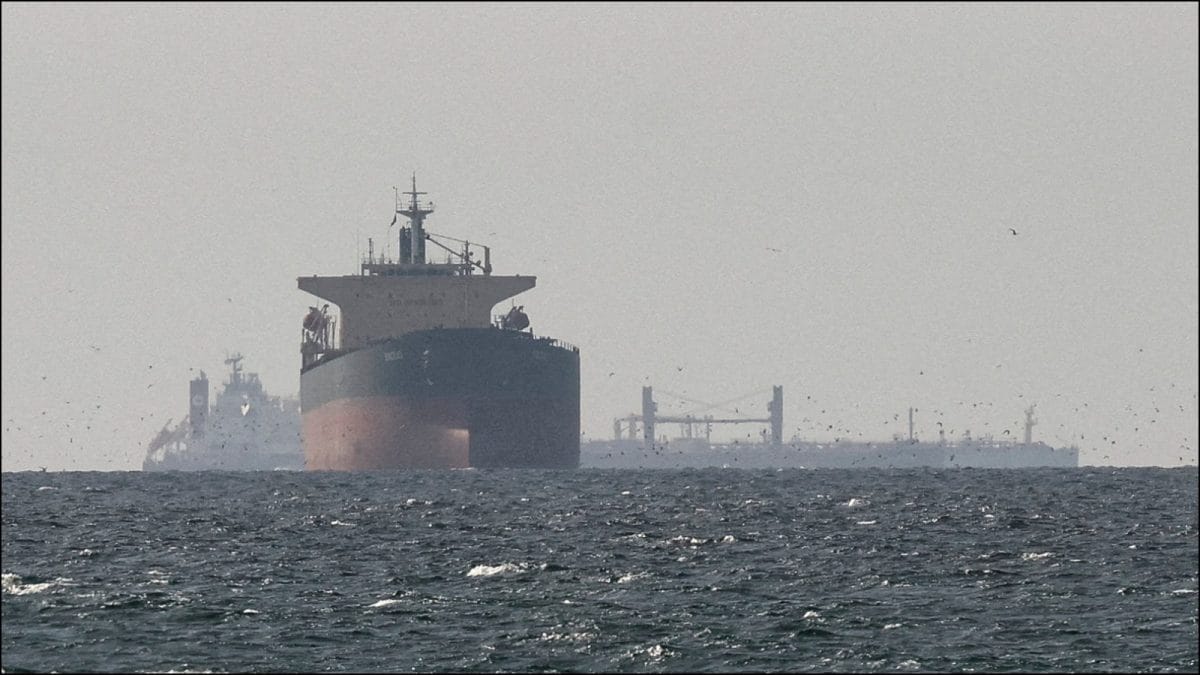
Geographical and Economic Significance of the Strait of Hormuz
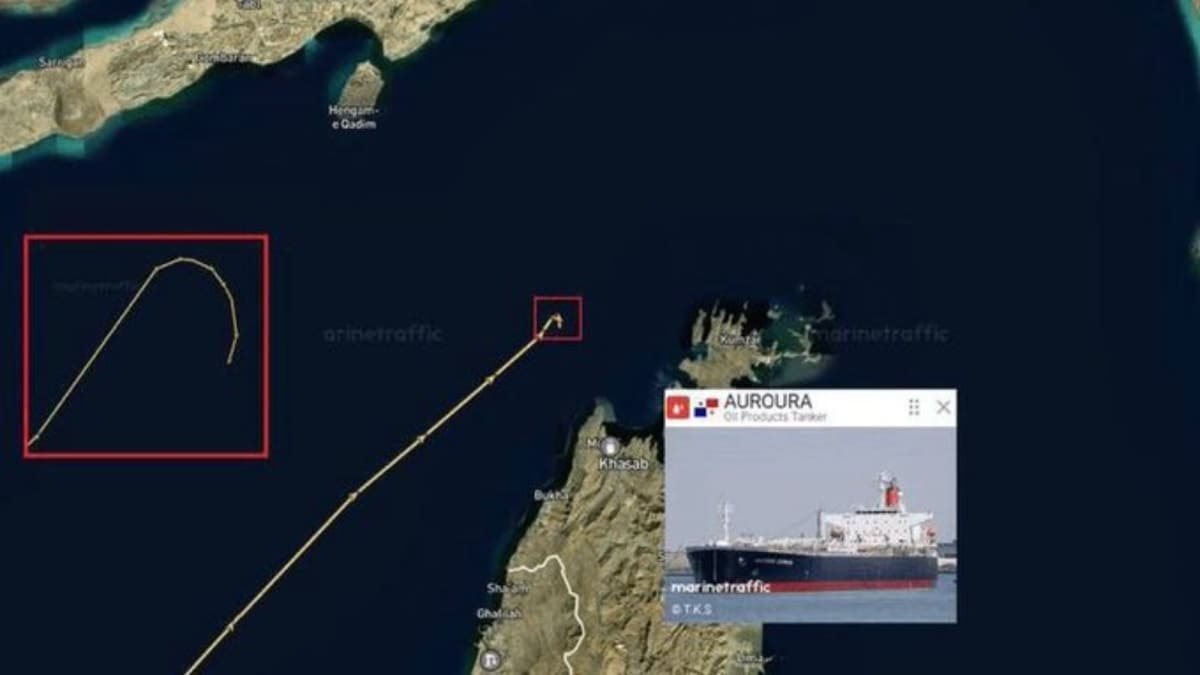
The Strait of Hormuz, a narrow passage between Iran and Oman, constitutes one of the world’s most essential energy corridors. Roughly a fifth of global oil supplies, alongside other key commodities, traverse this sliver of water each day, linking producers to consumers across continents. Its strategic value arises not merely from the volume of petroleum that flows through it, but also from its position as a chokepoint that can influence broader market dynamics. Consequently, any alteration in the conditions governing passage through the strait reverberates far beyond the immediate region.
Iranian Navy’s Explicit Requirement for Clearance
In a recent broadcast transmitted over maritime radio frequencies, the Iranian Navy communicated a firm instruction to all commercial vessels operating in and around the Strait of Hormuz. The message stipulated that each ship must secure prior permission from the Iranian Sepah before attempting to navigate the waterway. The announcement unequivocally warned that any vessel proceeding without such authorization would be destroyed. The language of the broadcast left no ambiguity regarding the seriousness of the directive.
The Iranian Sepah, identified as a special‑operations unit under the command of the Islamic Revolutionary Guard Corps, is tasked with enforcing maritime security measures in the region. By invoking the Sepah in the warning, the Iranian Navy emphasized the operational responsibility of this elite force in monitoring and controlling traffic through the strait.
Context of the Warning Amid Diplomatic Signals
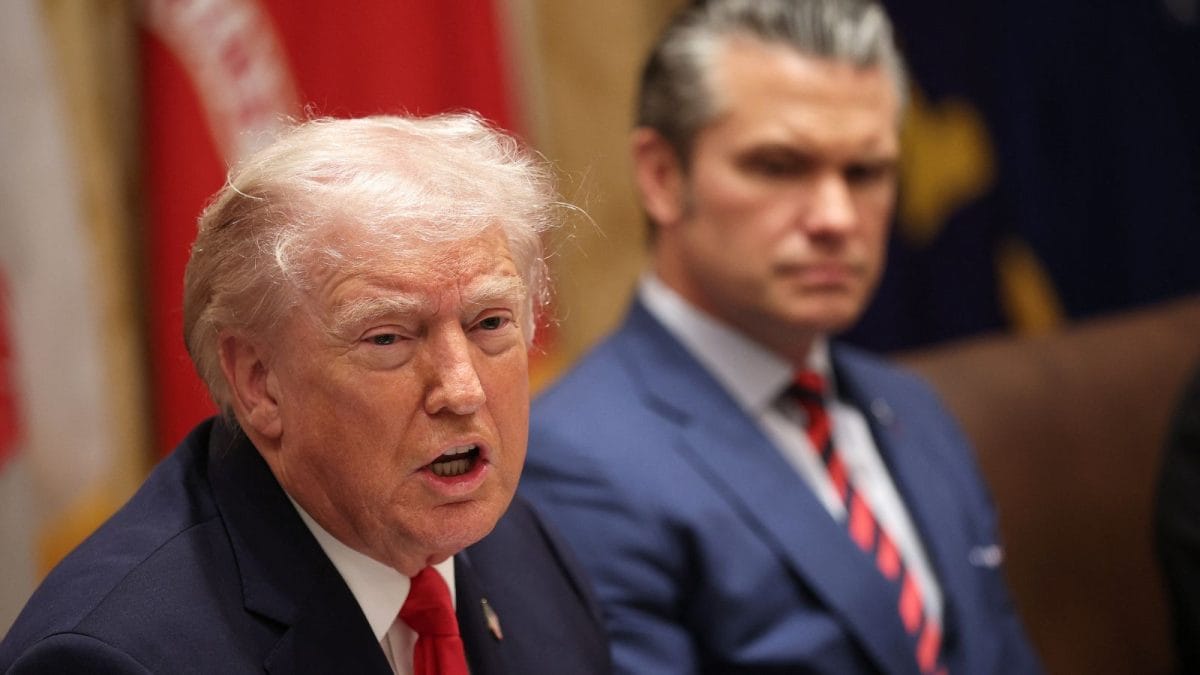
The issuance of the warning coincided with a public statement from US President Donald Trump announcing a 14‑day suspension of attacks on Iran. That announcement was conditioned on the “complete, immediate, and safe” reopening of the Strait of Hormuz. Despite this diplomatic overture, the Iranian Navy’s directive indicated that no immediate relaxation of maritime restrictions would accompany the cease‑fire pledge.
Iranian Foreign Minister Abbas Araghchi responded to US President Donald Trump’s message by indicating that, for a period of two weeks, safe passage through the Strait of Hormuz would be possible only through coordination with Iran’s Armed Forces and with due consideration of technical limitations. This statement underscored the necessity of direct cooperation between commercial operators and Iranian security structures, rather than a unilateral assumption of free navigation.
Operational Incidents Referenced by Iranian Media
According to reports from the Fars news agency, which is affiliated with the Islamic Revolutionary Guard Corps, oil tankers moving through the Strait of Hormuz have been halted following alleged violations of a cease‑fire by Israel. The Iranian media narrative claimed that Israel launched a wave of strikes against Hezbollah in Lebanon, prompting Iranian authorities to take defensive action against merchant vessels perceived to be at risk.
These incidents reinforced the heightened alert status of Iranian forces, including the Sepah, and provided a justification for the continued enforcement of strict passage protocols despite diplomatic gestures aimed at de‑escalation.
Impact on Commercial Shipping and Market Participants
The combined effect of the Iranian Navy’s warning and the broader geopolitical tension has placed a significant portion of global shipping traffic in a state of uncertainty. Numerous vessels have been reported to remain stationary within the Persian Gulf, awaiting clarification on whether they can safely continue their voyages. Simultaneously, warplanes persist in patrolling the skies over the Gulf, illustrating an environment in which military activity coexists closely with commercial operations.
Shipping operators worldwide are now compelled to reassess their risk calculations. Danish shipping conglomerate Maersk, for example, disclosed that it is working with urgency to evaluate the evolving situation. The company emphasized that the 14‑day cease‑fire does not yet afford full maritime certainty, suggesting that operational adjustments may be required to mitigate potential threats.
While the exact number of affected vessels remains undisclosed, the prevailing sentiment among industry participants reflects a heightened vigilance. Companies are closely monitoring communications from the Iranian Navy, the Sepah, and Iranian Foreign Minister Abbas Araghchi to determine the appropriate timing and method for resuming transit through the Strait of Hormuz.
Continued Military Presence and Surveillance
Even as diplomatic channels remain open, the physical presence of military assets in the region has not receded. Warplanes continue to conduct regular patrols over the Persian Gulf, reinforcing a perception of an ongoing, fragile security environment. The Iranian Navy, supported by the Sepah, maintains a vigilant stance, prepared to enforce the authorization requirement for any vessel seeking passage.
These operational realities underscore the complexity of achieving a seamless reopening of the Strait of Hormuz. The coordination referenced by Iranian Foreign Minister Abbas Araghchi implies that commercial ships must engage directly with Iranian Armed Forces to secure the necessary clearances, a process that introduces both logistical and procedural considerations for shipping lines.
Broader Strategic Implications
The Strait of Hormuz remains a linchpin in the global flow of energy resources. Any disruption, whether caused by deliberate closures, technical limitations, or heightened security measures, can reverberate through global markets. The Iranian Navy’s clear stance that unauthorized transits will be destroyed serves as a reminder of the delicate balance between geopolitical maneuvering and the practical necessities of international trade.
For policymakers, the situation highlights the importance of establishing reliable communication channels with the Iranian Sepah and the broader Iranian Armed Forces. For commercial operators, the imperative is to develop contingency plans that accommodate the possibility of extended waiting periods, rerouting, or the need for direct coordination with Iranian authorities before attempting to navigate the waterway.