Washington Leverages Pakistan to Push Iran Truce Amid Rising Oil Price Anxiety
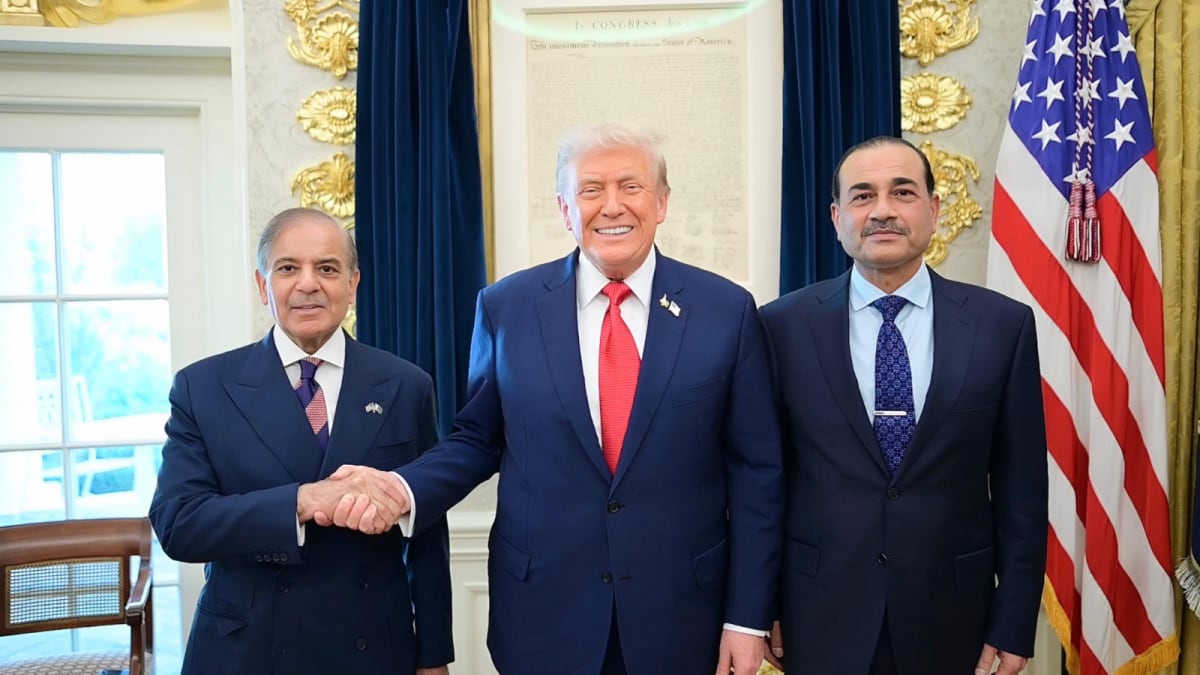
The investigation raises questions about Pakistan’s diplomatic stance, suggesting that Islamabad functioned more as a convenient channel for Washington than as an independent broker.
Background of the United States Initiative
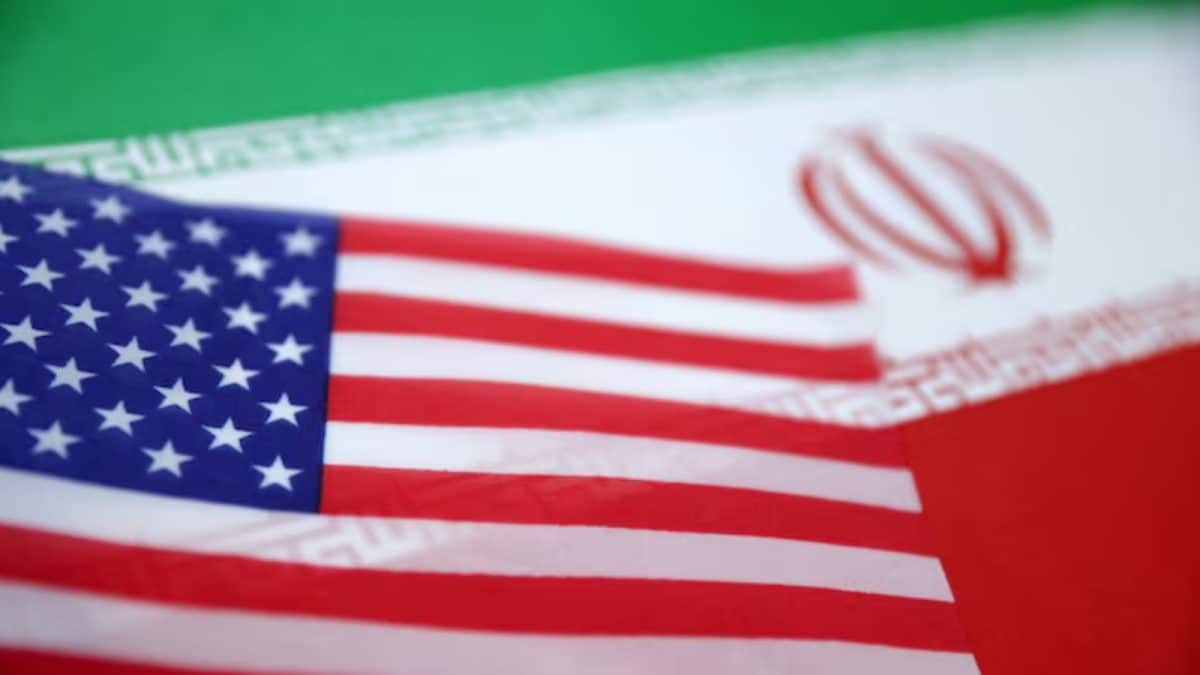
The United States sought a short‑term pause in fighting with Iran as global oil markets showed signs of strain. Concerns about the stability of the Strait of Hormuz, a vital artery for worldwide oil shipments, prompted Washington to explore diplomatic pathways that could defuse tension without direct military involvement.
According to a report published by Financial Times, the Trump administration exerted pressure on Pakistan to serve as an intermediary in the negotiation process. The United States aimed to present a cease‑fire framework in a manner that would resonate with Iranian leadership, hoping that a Muslim‑majority country could lend the proposal a veneer of regional legitimacy.
Pakistan Cast as the United States’ Messaging Channel
Sources familiar with the behind‑the‑scenes diplomatic work, as cited by Financial Times, indicate that Pakistan’s primary function was to transmit United States‑crafted proposals to Iran. The report states that Pakistan framed the proposal as originating from a fellow Muslim nation, a strategy intended to make the deal more palatable to the Iranian leadership.
Pakistan’s involvement, therefore, centered on delivering a message rather than shaping the substance of the cease‑fire terms. By acting as a conduit, Pakistan enabled the United States to maintain pressure on Iran while avoiding overt escalation at a critical juncture in the conflict.
Back‑Channel Diplomacy Managed by Senior Military Leaders
Field Marshal Asim Munir, Pakistan’s Army Chief, emerged as a key figure in the back‑channel communication network. According to the Financial Times investigation, Field Marshal Asim Munir engaged in a series of high‑level calls with United States officials, including United States President Donald Trump, United States Vice President JD Vance, and United States special envoy Steve Witkoff.
The discussions focused on relaying United States‑drafted cease‑fire language, gathering Iranian feedback, and exploring feasible timelines for a temporary halt to hostilities. Field Marshal Asim Munir’s role, as described in the report, was to ensure that United States messaging reached Tehran without distortion.
Public Presentation Versus Private Reality
Public statements from Pakistan painted the nation as a neutral peacemaker seeking to mediate between United States and Iran. The Financial Times report, however, suggests that Pakistan’s public posture diverged from its private function as a messenger for United States strategic interests.
Prime Minister Shehbaz Sharif’s premature posting of a draft cease‑fire announcement further highlighted the disconnect between the coordination efforts and the eventual public rollout. The accidental release raised questions about the internal workflow and the extent to which Pakistan controlled the narrative versus simply transmitting United States‑originated language.
Internal Dynamics Within Iran
Iran’s decision‑making environment proved complex, with factions inside the Islamic Revolutionary Guard Corps (IRGC) holding divergent views on the acceptability of a United States‑backed pause. The report notes that internal disaGreements within Iran added layers of difficulty to any cease‑fire negotiation, as different power centers weighed the strategic implications of a temporary truce.
Compounding the Iranian internal divide were broader regional tensions, including Israel’s military actions in Lebanon. These external pressures amplified the stakes for Iran, making any cease‑fire proposal subject to intense scrutiny by multiple actors.
Fragility of the Proposed Cease‑Fire
Even with a tentative aGreement on paper, the cease‑fire remained precarious. Risks to its durability included potential flashpoints in the Strait of Hormuz, where any disruption could trigger a sharp escalation in oil prices and global trade. Moreover, the possibility of renewed regional confrontations threatened to dissolve the fragile pause before it could take effect.
Analysts cited in the Financial Times investigation emphasized that a cease‑fire brokered through a channel heavily influenced by United States interests would lack the independent credibility necessary to endure long‑term pressure from hard‑line elements on both sides of the conflict.
Assessment of Pakistan’s Diplomatic Independence
The investigative findings cast doubt on Pakistan’s ability to act as an autonomous mediator. By aligning closely with United States strategic objectives, Pakistan’s diplomatic engagement appeared more reflective of a partnership with Washington than a balanced effort to achieve peace.
Commentators noted that Pakistan’s willingness to adopt United States‑originated language and to present the cease‑fire framework as a product of a Muslim‑majority nation reinforced the perception of Pakistan as a convenient diplomatic conduit rather than an impartial facilitator.
In light of these observations, the broader international community faces a dilemma: whether to accept a cease‑fire arrangement that hinges on a single conduit aligned with United States interests, or to seek a multilateral approach that incorporates additional regional stakeholders capable of delivering a more balanced and sustainable peace initiative.