From Neighborhood Favourite to Premium Symbol: Exploring the World of Luxury Mangoes
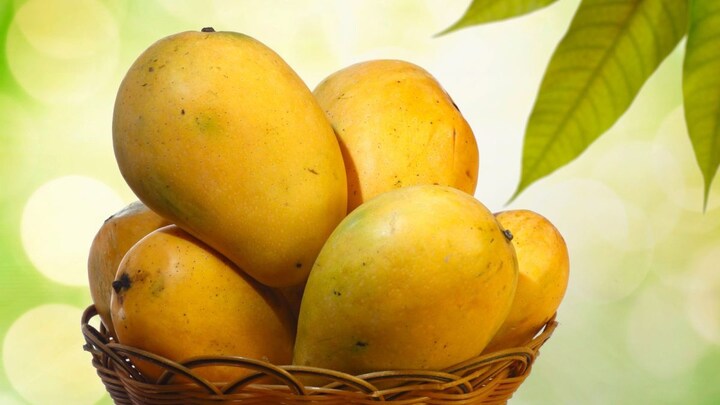
Luxury mangoes are not the mangoes you casually slice on a summer afternoon—they are savoured, displayed, and sometimes even collected.
mangoes as cultural icons in India
In India, mangoes acquire the status of nostalgia, summer, and celebration wrapped into a single experience. While the familiar crates of Alphonso mango and Dasheri mango dominate everyday markets, a hidden tier exists where mangoes transcend simple consumption. Within this tier, mangoes become curated artworks, gifts of distinction, and objects that attract auctioneers' attention.
From street stalls to auction houses
The majority of mangoes travel from street stalls to household tables, yet a select group commands price levels comparable to fine art. At the apex of this exclusive hierarchy stands Japan’s Miyazaki mango, often lauded as the “Egg of the Sun.” Miyazaki mango distinguishes itself with a deep ruby‑red skin, extraordinary sweetness, and meticulous cultivation practices that ensure flawless appearance. Each Miyazaki mango undergoes rigorous grading, with only a handful achieving the highest classification.
When the most exceptional Miyazaki mango reaches an auction, the result is a dazzling display of wealth and appreciation for rarity. Premium pairs of Miyazaki mango have achieved sale figures in the thousands of dollars. Within India, limited cultivation of Miyazaki mango drives the domestic price to a range of Rs 2,000 per kilogram, while international markets can push the cost to several lakhs per kilogram, establishing Miyazaki mango as one of the most expensive fruits on record.
India’s own royal mango legacy
The phenomenon of luxury mangoes is not confined to foreign markets; India possesses a deep‑rooted tradition of elite mango varieties that once graced royal courts. The Kohitur mango, for example, earned exclusive patronage from Nawabs. Its delicate flesh, subtle aroma, and exacting harvest requirements render Kohitur mango a symbol of scarcity and prestige.
Another storied variety, the Noorjahan mango, carries the name of the famed Mughal empress. Noorjahan mango is celebrated for its monumental size, occasionally reaching a weight of three kilograms. The sheer visual impact of Noorjahan mango transforms the fruit into a spectacle, justifying price tags that climb into the hundreds and, on rare occasions, the thousands of rupees per individual fruit.
Beyond these rare gems, Alphonso mango—also known as Hapus—retains its place as India’s most acclaimed export. Alphonso mango offers a saffron‑tinged pulp, intoxicating fragrance, and buttery texture. During peak harvest periods, Alphonso mango dominates premium markets worldwide, consistently achieving elevated price points that reflect both demand and perceived quality.
Defining the luxury mango
The line separating ordinary fruit from luxury mango blurs as criteria such as precision, rarity, and experiential value take precedence over pure taste. Luxury mangoes are cultivated under tightly regulated conditions, sometimes within Greenhouse environments where temperature, humidity, and nutrient delivery are fine‑tuned for each individual fruit. During growth, each Miyazaki mango, Kohitur mango, Noorjahan mango, and Alphonso mango receives close monitoring of colour development, dimensional uniformity, and sugar concentration.
Scarcity amplifies allure. Limited harvests, coupled with a narrow geographic footprint, ensure that supply cannot meet burgeoning demand. As a result, collectors, connoisseurs, and affluent gift‑givers chase after the few available specimens of Miyazaki mango, Kohitur mango, and Noorjahan mango.
Presentation further elevates status. In Japan, gifting premium fruits occupies a cultural niche where the act of offering a perfectly formed Miyazaki mango signifies respect, gratitude, and social standing. Such mangoes arrive in elegant packaging, often accompanied by certificates that attest to their grade and provenance. The consumer experience extends beyond flavor; it encompasses visual admiration, tactile appreciation, and the narrative attached to each fruit.
The economics of exclusivity
Market dynamics for luxury mangoes follow patterns observed in other high‑end commodities. Limited production runs create an artificial scarcity that drives price escalation. Auction houses capitalize on this scarcity, curating events where wealthy bidders vie for the most immaculate Miyazaki mango. In parallel, specialized retailers in metropolitan centers source Kohitur mango and Noorjahan mango directly from growers, marking up the price to reflect handling, certification, and the prestige associated with ownership.
International trade adds another layer of complexity. Export regulations, import tariffs, and logistical challenges inflate the final cost of Miyazaki mango when it travels beyond Japanese borders. Similarly, when Alphonso mango journeys to overseas markets, premium packaging, cold‑chain management, and brand positioning contribute to higher price points that far exceed the cost of a standard domestic fruit.
Cultural resonance and symbolism
Beyond monetary value, luxury mangoes occupy symbolic spaces within their respective societies. In Japan, the act of presenting a Miyazaki mango embodies a gesture of deep appreciation, often reserved for business negotiations, weddings, and high‑profile celebrations. The immaculate appearance of Miyazaki mango reinforces ideals of perfection and meticulous craftsmanship celebrated in Japanese culture.
Within India, the historical lineage of Kohitur mango and Noorjahan mango ties contemporary consumption to regal heritage. Possessing a Kohitur mango or Noorjahan mango can be perceived as an acknowledgment of one’s connection to a legacy of aristocratic taste. Alphonso mango, while more widely available, still carries the aura of excellence, frequently featured in diplomatic gift baskets and premium cuisine.
The universal appeal of mangoes—regardless of price tier—lies in the emotional response they evoke. Whether a passerby purchases a roadside mango for a modest price or an affluent collector acquires a Miyazaki mango for a substantial sum, the shared joy of savoring the fruit underscores a common human experience.
Future outlook for mango luxury
Looking ahead, the market for luxury mangoes is poised to expand as consumer appetites evolve toward experiential and status‑oriented purchases. Technological advancements in horticulture may enable growers to replicate the precise conditions that yield Miyazaki mango, potentially increasing supply without compromising quality. Nevertheless, the allure of rarity will likely endure, sustaining high price brackets for the most coveted varieties.
In summary, the journey from street‑level mango stalls to elite auction houses illustrates how a humble fruit can ascend to the realm of luxury. Whether observed through the lens of cultural tradition, economic scarcity, or personal indulgence, each Miyazaki mango, Kohitur mango, Noorjahan mango, and Alphonso mango tells a story of craftsmanship, heritage, and the timeless human desire to celebrate the extraordinary.