Why the Islamabad talks matter now
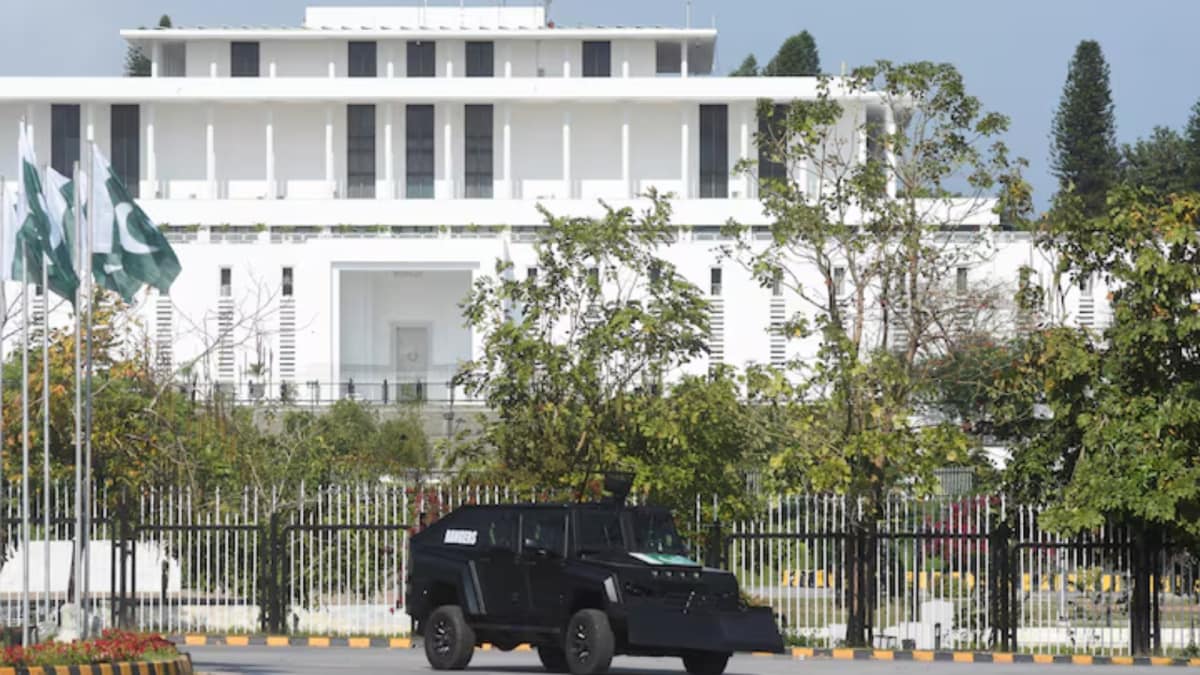
Honestly, when I first heard that the US and Israel were setting up a peace dialogue in Islamabad, I thought it was a bit of a surprise. You don’t often see Islamabad playing host to such high‑stakes talks, especially when the focus is on a conflict that feels half a world away. But then again, Pakistan has always tried to position itself as a bridge‑builder in the region, and this is a classic example of that ambition.
What’s more, the whole thing feels like a live television drama. You’ve got diplomats shuffling papers, a few reporters whispering in corners, and occasionally a loud phone ring that makes everyone jump. The atmosphere is a mix of nervous energy and quiet optimism – you know, like waiting for the train at a small city station, hoping it arrives on time but not being sure if it even will.
Iran’s unexpected absence – a big question mark
Now, the biggest twist so far is that Iran hasn’t shown up. And it’s not just a casual ‘I’m late’ thing; they’re a complete no‑show up to the venue. In most cases, when a major player like Iran stays away, you can sense a ripple through the whole room. Some of the US delegates exchanged puzzled looks, while others seemed to brace themselves for a long day.
From what I gathered from the chatter on the sidelines – people were saying the Iranian delegation had cited ‘logistical issues’, but you could hear the underlying tone that maybe there’s more to it. In Indian parlance, we might call it a ‘shy‑type’ move – not fully committing, but also not outright rejecting the process. It leaves a lot of room for speculation, especially when the talks hinge on Iran’s stance on certain regional matters.
As a regular observer of South Asian geopolitics, I can’t help but draw a parallel with how sometimes, during big family gatherings, that one cousin who never shows up becomes the talk of the event. Everyone wonders why they didn’t come, and it somehow changes the dynamic for the rest of us.
Pakistan’s firm stand – “the talks are on”
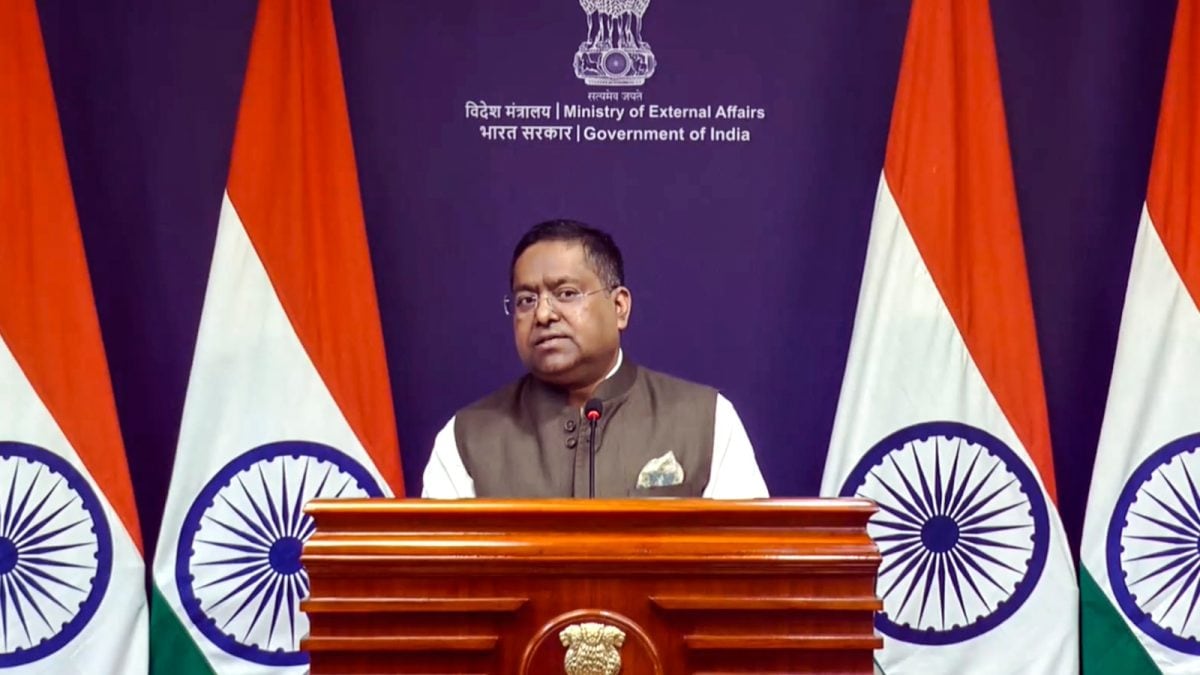
Despite the obvious void left by Iran, the Pakistani hosts are insisting that the discussions are still alive and kicking. In a press briefing, the foreign ministry spokesperson basically told the cameras, “the talks are on, and we will continue in the spirit of cooperation.” You could sense a subtle, yet firm, determination in his voice.
Honestly, I admire that stubborn optimism. It reminds me of the way my aunt keeps trying to negotiate a better price for fresh mangoes at the market – you see her haggling, even when the vendor seems set on his mark. Pakistan is doing something similar: they’re not backing down because one country isn’t present; they’re trying to keep the momentum alive for the rest of the participants.
People around the conference hall were murmuring that maybe this could be an opportunity. If Iran is absent, perhaps the US and Israel might feel a little less pressured, which could open a tiny window for compromise. But at the same time, without Iran’s perspective, any aGreement might feel incomplete, especially when you consider the deeper layers of regional politics.
The Lebanon dilemma – to include or not?
One of the most heated points of disaGreement so far is whether Lebanon should be part of any ceasefire deal. Some delegates argue that the conflict’s spill‑over into Lebanese territory can’t be ignored, while others claim that expanding the scope would just muddy the waters further.
In my own small circle, when we discuss a problem – say, a broken fan – we either fix just the fan or we try to overhaul the whole house wiring. It’s the same idea here. If you keep the focus narrow, you might get a quicker, cleaner solution. But if you broaden it to include Lebanon, you risk dragging more parties into the negotiation, each with its own set of demands.
From the live updates, it seems the US team leans towards a tighter, more immediate ceasefire without Lebanon, whereas the Israeli side, mindful of their security concerns, is insistent on a broader framework that does account for any threats coming from Lebanon. The missing Iranian voice adds another layer, because Iran historically has strong ties with certain groups in Lebanon, and their viewpoint could sway the final shape of the aGreement.
So, yes, the disaGreement over Lebanon is a real roadblock. In most cases, just the mention of Lebanon brings a sigh from the room, as if everyone is silently recalling the long‑standing complexities tied to that tiny, yet geopolitically potent, country.
How the negotiations are unfolding – day by day
Every hour feels like a mini‑episode of a drama series. In the first segment, US officials pushed for a rapid cessation of hostilities, citing humanitarian concerns – you know, the kind of thing that makes you think of the endless lines of refugees waiting for food trucks in Delhi.
Then the Israeli representatives countered with a reminder that any ceasefire must guarantee their security, especially along the northern borders. They referenced the occasional cross‑border triggers that have historically kept tensions high. It’s like when you tell your neighbour to keep the volume down because you have a baby sleeping – they understand but have their own concerns.
Meanwhile, Pakistani mediators kept the conversation flowing, offering coffee, arranging short breaks, and sometimes stepping in to re‑phrase a point that seemed to cause confusion. Their effort to keep the dialogue constructive reminded me of a school teacher in a busy classroom – constantly juggling between students, keeping the class on track while dealing with unexpected interruptions.
All through these exchanges, the missing Iranian representation kept popping up as an after‑thought in every statement. “We hope Iran joins soon” became a sort of mantra, whispered between the more formal speeches.
Personal observations – why this feels close to home
Being based in India, I often watch Middle Eastern politics through the lens of our own neighbourhood dynamics – think of the way interstate disputes in South Asia ripple across borders. The idea of a ceasefire that could, in theory, reduce the flow of weapons and influence that reaches even our own borders is something I find quite personal.
Also, the whole ‘no‑show’ by Iran reminds me of the days when the Indian railway would cancel a long‑distance train at the last minute. You end up waiting on the platform, making small talk with strangers, and hoping the next train will arrive on time. The atmosphere here feels similar – a mix of disappointment, patience, and a lingering hope that the next move will finally bring resolution.
And the Lebanon question? It’s like debating whether to include a distant relative’s wedding in your family’s festive plans. You want to keep everyone happy, but the logistics become a nightmare. In the same way, the negotiators are trying to balance broader regional stability with practical, immediate steps.
Challenges that lie ahead
Looking ahead, there are a few clear challenges that could stall any aGreement. First, the absence of Iran means a key stakeholder’s concerns are not being directly voiced. That could lead to an aGreement that one side feels is incomplete, and later on, they might refuse to honour it.
Second, the disaGreement over Lebanon is more than a technical matter; it touches on deep‑rooted security concerns, historical alliances, and the delicate balance of power in the region. Getting both the US and Israeli teams to aGree on a unified stance, while somehow satisfying the wider regional interests, is a tall order.
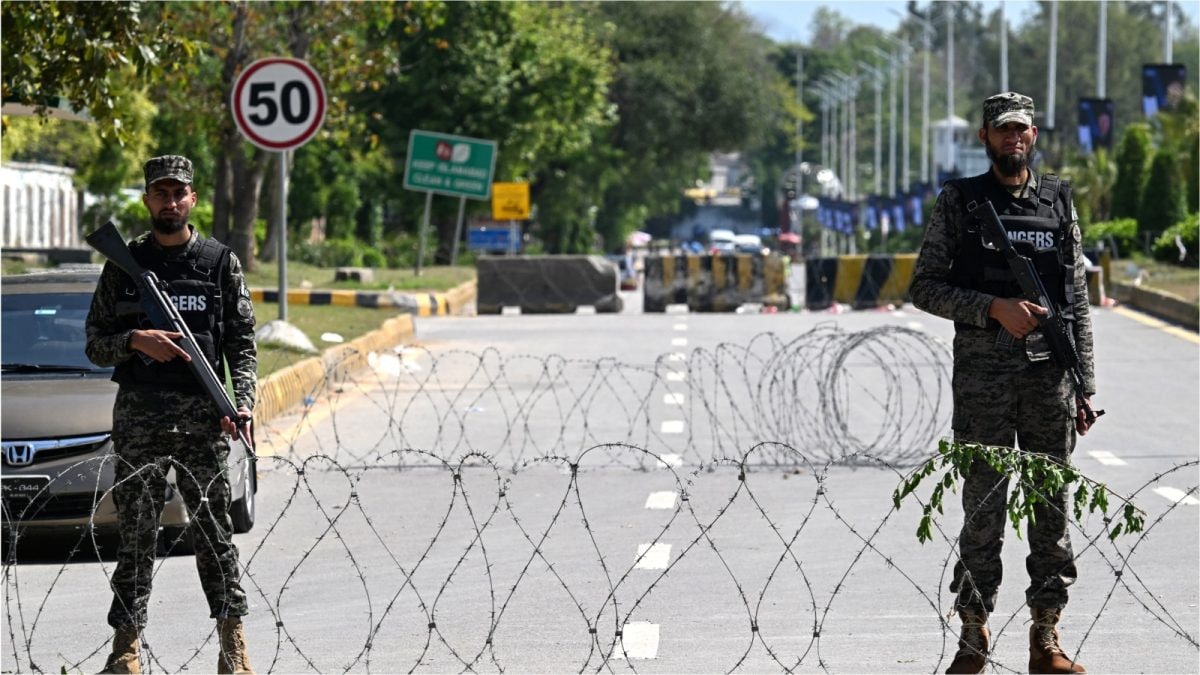
Third, the Pakistani hosts have to manage not just the diplomatic speeches but also the practicalities – like ensuring security, handling the media frenzy, and making sure the delegates have something to eat. You know how chaotic a big Indian wedding can get – same excitement, just with more official paperwork.
Finally, there’s the ever‑present question of whether any ceasefire will be sustainable without a clear enforcement mechanism. Even if the talks produce a signed document, the real test will be on the ground, where factions, proxy groups, and local leaders have their own loyalties.
Possible ways forward
One possible route, which some analysts hinted at, is to keep the current talks focused on an immediate, short‑term ceasefire – something that can be implemented quickly while bigger issues, like Lebanon’s inclusion, are taken to a later stage. It’s similar to when you pause a heated argument with a friend and decide to talk over tea first, postponing the deeper issues for later.
Another angle could be to pressure Iran indirectly – perhaps through back‑channel communications – to at least send a written statement. That would give the US and Israeli sides something to work with, even if the Iranian delegation isn’t physically present.
Pakistan could also play a more active diplomatic role by proposing a joint monitoring committee, involving neutral observers from nations that have no direct stake. Think of it like inviting a respected elder in a village dispute to oversee the aGreement, ensuring both parties feel the terms are fair.
Overall, any success will likely rest on a combination of flexible framing, patient negotiation, and perhaps a pinch of good luck – something that every diplomat, especially in these tense circumstances, knows all too well.
Conclusion – a tentative hope amid uncertainty
So where does all this leave us? Honestly, I’d say the situation remains fragile but not completely hopeless. The fact that the talks are still happening, despite Iran’s absence and the Lebanon dispute, shows a willingness to keep dialogue alive. It’s like a cricket match where rain interrupts play – the game may be delayed, but the teams are still ready to bat when the clouds clear.
If the Pakistani hosts can keep the momentum, if the US and Israel can find a narrow common ground, and if Iran eventually signals its position – even in a limited way – there’s a slim chance we could see a ceasefire that at least eases the immediate humanitarian suffering.
Until then, we’ll keep watching the live updates, sipping our chai, and hoping that the diplomats finally manage to bridge the gaps that have kept the region in turmoil for too long. After all, peace, just like a well‑cooked biryani, often needs the right mix of ingredients, timing, and a little patience.