How I Stumbled Into the Melania‑Epstein Moment
Believe it or not, I was sitting at my kitchen table, sipping chai, when the TV turned to a breaking‑news banner about a cease‑fire talk between the United States and Iran. I, like many of us, turned the volume up because the headlines sounded serious. Suddenly the camera cut to the White House lawn, and there stood the First Lady Melania Trump, looking a little uneasy, ready to speak. It felt like one of those moments you get when a neighbour’s kid starts a firecracker in a quiet lane – everyone pauses, the air gets thicker, and you just wait for the smoke to clear.
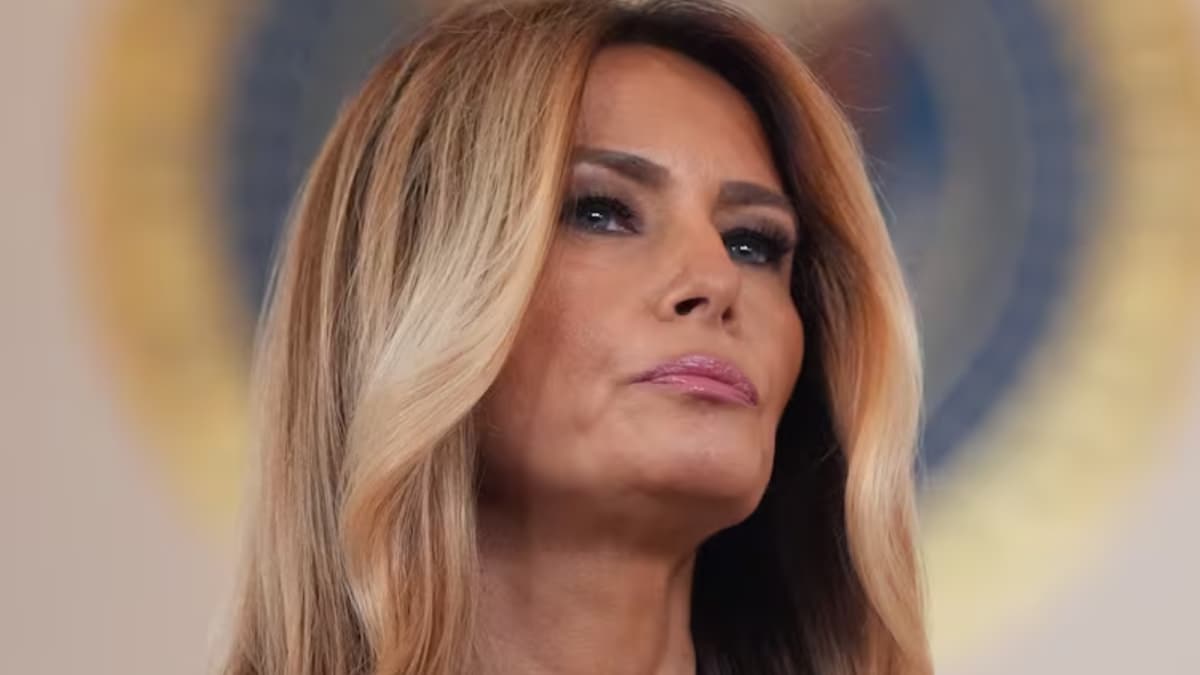
Melania Trump walked up to the podium and, with a steady voice, announced a statement that would take the whole briefing room by surprise. She said, “I was never friends with Jeffrey Epstein.” That single line was the first direct public denial from the First Lady about the convicted sex‑trafficker. It was a bombshell, and for a few seconds I felt my heart skip a beat – not because of politics, but because the news felt so personal, like a family drama playing out on a national stage.
The Core of the Statement – What Was Said
Let me break down exactly what Melania Trump said, because the details matter. She categorically denied ever being friends with Jeffrey Epstein. She added that she never once stepped onto his private plane, never set foot on his private island (which most people know as Little St. James), and stressed that she was never his victim. She described the allegations against her as “false and defamatory.” The First Lady also mentioned that her legal team had already forced retractions from several media outlets, citing the Daily Beast, political commentator James Carville, and even the UK publisher HarperCollins. That part of the statement felt like a courtroom drama—she was not just denying, she was actively undoing what had been published.
Interestingly, the phrasing of the denial sounded rehearsed, almost as if someone had handed her a script. But the moment still felt raw, like when you hear a family elder recount a story you thought was long buried. The mention of legal actions added a new layer, showing that this was not a casual comment but a strategic move to control the narrative.
What Donald Trump Said – The President’s Side of the Story
After Melania Trump’s statement aired, I switched over to a different channel where Donald Trump was being interviewed on Mississippi Now. The former President looked a bit flustered, which is something you don’t see often on his usual confident broadcasts. Donald Trump told the host that he “didn’t know anything about” the statement before his wife went on camera, and added that “she didn’t know Jeffrey Epstein.” The interview ended abruptly after that, leaving a lot of questions hanging in the air. The next day, a spokesperson for the First Lady told the New York Times that Donald Trump had indeed been aware that Melania Trump would make a statement, but later that same report was updated, stating that it was “not clear if Donald Trump was aware of the topic of her remarks.” This back‑and‑forth felt like a game of telephone, where the original message gets lost in translation. For me, it highlighted how even the highest offices can be caught off‑guard by sudden media moves.
Reaction Inside the White House – A Room Full of Questions
While I was watching the TV, I could almost imagine the press briefing room buzzing with bewilderment. Fox News Senior White House Correspondent Jacqui Heinrich later said the announcement “came out of left field.” She explained that reporters hadn’t received any heads‑up, and even when they tried to call the White House officials, they got no answer – not even from the President. The scenario reminded me of that time when my local railway station announced a sudden change in train schedules with no prior notice. Passengers stand there, checking their phones, hoping for an explanation that never arrives.
Jacqui Heinrich, in several interviews, asked a simple yet powerful question: “Why did she make this statement today? Is there something she is reacting to that has already appeared in the news, or is there a story about to come out that she wants to get ahead of?” She mentioned that she had called every contact she could think of, including the President, and still got nothing. It was clear that the room was full of speculation, and the lack of any solid answer only fed the fire.
Media and Public Confusion – Who Thought This Was a Good Idea?
Gabe Fleshier, an author who follows political drama closely, echoed the confusion: “Who at the White House thought it was a good idea to resurrect the Epstein story right now? Was anybody talking about Epstein and Melania Trump in the last few days? Is this an attempt to pre‑empt a story that’s about to come out?” It felt like a neighbour gossip session where everyone is trying to figure out who started a rumor. The speculation was not limited to one network; multiple outlets – from CNN to local news channels – ran segments trying to decipher the motive behind the statement. The consensus was that something must have triggered this sudden denial, but no concrete lead was found.
Even the legal retractions that Melania Trump mentioned added to the mystery. If her team had already forced corrections, why bring the issue to a live audience again? Was it to establish a permanent record? Or perhaps to signal to potential future litigants that they had already taken steps? I could not be sure, but the atmosphere felt charged, like a cricket match where a bowler suddenly changes his spin without warning.
Broader Context – Iran‑US Ceasefire Talks and Global Focus
All of this happened while the world was closely watching talks aimed at a cease‑fire between the United States and Iran. The stakes were high – a potential de‑escalation in a region that has seen too many conflicts. In my view, the timing was almost too perfect. Imagine waiting for a train to arrive, and just as the doors open, a loudspeaker announces a different train’s departure. The focus shifts completely, and the original agenda gets sidelined. Analysts argued that the timing could either be a distraction tactic or simply poor coordination. It is hard to say which one it was, but the fact remains that the Melania Trump statement stole the headlines, pushing the Iran‑US talks to the background, at least for a few hours.
Public Sentiment – What Do People Think?
On social media, the reaction was mixed. Some people praised the First Lady for finally speaking out, saying it was “about time.” Others called it a “political stunt” aimed at deflecting attention. In Indian circles, I saw many comments comparing the situation to a Bollywood drama where a heroine suddenly clears her name right before a big showdown. The hashtags #MelaniaSpeaks and #EpsteinDenial trended for a short while. Even my aunt, who lives in Delhi and follows US politics religiously, texted me saying, “Did you see that? She finally told the truth! But why now?” The general vibe was one of curiosity mixed with a bit of cynicism – the public wants answers, but also knows that in politics, any statement could be double‑edged.
In everyday conversations, especially among those who follow international news, the incident has become a reference point for unexpected political moves. It’s like when a local politician suddenly remarks about a long‑ignored local issue; the community buzzes for days, and then gradually moves on to the next story.
Possible Implications – What Could This Mean for the Future?
Looking ahead, I think there are a few possible outcomes. First, the legal retractions mentioned by Melania Trump could lead to a series of lawsuits or settlements, especially if any media outlet claims they were forced to correct something that was already a matter of public record. Second, the White House might become more cautious about how it handles potential scandals. The sudden appearance of the statement without prior briefing suggests a possible breakdown in internal communications. Finally, on a larger scale, the focus on the Epstein story could revive other investigations into the late financier’s connections, which might pull politicians and public figures into fresh scrutiny. For a regular citizen like me, it feels a bit like watching a television serial where the plot twist appears out of nowhere, and you’re left trying to piece together clues from previous episodes.
Regardless of the outcome, one thing is clear – the episode has reminded everyone that in politics, timing is everything, and any unexpected declaration can shift the entire narrative, even if the world is watching something else entirely.
Conclusion – A Moment That Stunned Washington
In hindsight, Melania Trump’s brief but bold statement about Jeffrey Epstein felt like a sudden thunderclap on a calm evening. It not only sent ripples through the media corridors of the White House but also caused a broader public conversation about accountability, media narratives, and the lingering shadows of a high‑profile scandal. The fact that even the President, Donald Trump, seemed unaware of the exact content underscores how quickly a story can emerge in the public sphere, seemingly out of nowhere. For me, watching the whole saga unfold reminded me that politics, much like my daily commute on the crowded local train, can be unpredictable, filled with abrupt stops and sudden announcements that leave everyone trying to adjust their plans.
Whether this episode will lead to more legal battles, further media scrutiny, or simply fade into the background as another footnote in the long list of political dramas, remains to be seen. What is certain is that Washington will be keeping a very close eye on any new developments, and the public – my friends, family, and countless others – will continue to watch, discuss, and speculate, as we always do.