What sparked the exchange?
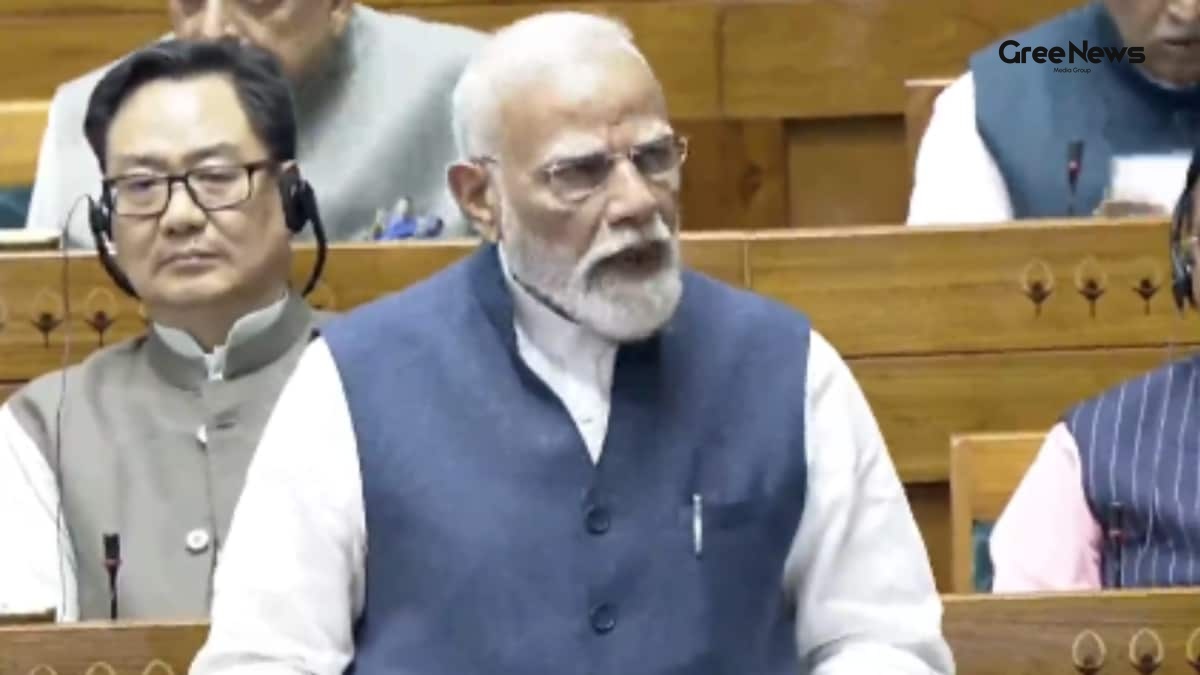
Honestly, I was glued to my TV just as the Lok Sabha started its special three‑day sitting on the women’s quota bills. The atmosphere was electric you could feel the tension in the air, almost like the moments before a big cricket match. Suddenly, Prime Minister Narendra Modi turned his attention to TMC MP Kalyan Banerjee, who was loudly objecting to the women’s reservation bill.
Modi’s remark, “Let them speak; they can’t speak in Bengal,” landed like a fast‑ball. It was a clear dig at Kalyan Banerjee, suggesting that the MP’s opposition was more about political posturing than genuine concern. This line instantly became viral news, trending across social media platforms and sparking countless memes.
Many people were surprised by this; they hadn’t expected the Prime Minister to call out a regional MP so directly on the floor of the house. The comment quickly turned into breaking news India, with viewers across the country sharing their thoughts on WhatsApp groups, Twitter threads, and even roadside tea stalls.
Behind the women’s reservation bill
To give you some context the government has been pushing for a 33 % reservation for women in both the Lok Sabha and state legislatures. The idea is to finally ensure that women’s voices are represented in decision‑making, something that has been a long‑standing demand from activists and many political parties.
The trio of bills under discussion includes the Constitution (131st Amendment) Bill, the Delimitation Bill, and the Union Territories Laws (Amendment) Bill. All three aim to fast‑track the implementation of the reservation. Basically, the amendment would alter the constitution to make space for the quota, while the delimitation bill would redraw constituency boundaries to accommodate the new seats.
This is one of those pieces of latest news India that has been buzzing around, especially since the bills are expected to reshape the political landscape. If passed, it could mean a significant shift in how parties select candidates and how policies are framed, especially on issues directly affecting women.
Modi’s promise and the reaction
During his address, Modi didn’t just throw a jab; he also tried to reassure the house. He said, “Some are creating trouble just for political benefit. However, I want to assure you that whether it’s north or south, this process will not lead to discrimination or injustice.” He went on to stress that his guarantee or promise, as he put it was that the reservation will be handled fairly.
Honestly, you could sense a mix of confidence and caution in his tone. He seemed to be sending a message not only to the opposition but also to the public, emphasizing that the government is serious about delivering on its pledge. This reassurance has been citied in many India updates portals, with analysts saying it could be a strategic move to win over skeptical voters.
Many people were intrigued by this assurance, and you could hear a murmur in the galleries some nodding, others shaking their heads. It’s the kind of moment that makes you realise how parliamentary debates are not just about policy but also about personalities and power plays.
Opposition’s stance the INDIA bloc’s concerns
While the Prime Minister was busy promising fairness, the INDIA bloc a coalition of opposition parties began to voice its own concerns. Congress president Mallikarjun Kharge, speaking after a closed‑door meeting of the bloc, made it clear that they would oppose the delimitation provisions in the Constitution (131st Amendment) Bill.
He stressed that the opposition is not against the 33 % reservation itself. Rather, they are worried about the way the delimitation process is being handled, fearing it could skew representation in favour of certain regions or parties.
This nuance got a lot of attention on trending news India webs, because many thought the opposition was outright rejecting women’s quota. In reality, they are asking for a more balanced approach, something that could get the bill through without any perceived bias.
Many people were surprised by this clarification it showed that the opposition is not simply playing political games, but actually caring about the mechanics of the reform. The discussion around delimitation is turning into an interesting subplot in the larger drama of gender equity.
Why does this matter to the average Indian?
Now, you might wonder why all this parliamentary chatter should matter to you sitting at home, sipping chai. Well, the reservation could directly affect the kind of leaders who represent you, especially women’s issues like safety, health, and education. Imagine a future where a third of your local MLA is a woman that could change how policies are prioritized.
Moreover, the debate itself highlights the tension between centralised reforms and regional autonomy. When a leader from Bengal is told “they can’t speak in Bengal,” it raises questions about federalism and whether certain voices are being silenced, intentionally or otherwise.
And let’s not forget the political fallout. The episode has already become one of the hottest pieces of viral news, with commentators on TV news channels, YouTubers, and ordinary citizens weighing in. This buzz could influence how parties campaign in upcoming elections, especially when women’s empowerment is a key agenda.
What could happen next?
Here’s the part that keeps everyone on edge the voting on the three bills is scheduled for later this week. The outcome will decide whether the 33 % quota becomes a reality or gets delayed due to procedural hurdles.
If the bills pass, you can expect a flurry of administrative work from redrawing constituency maps to training new women representatives. If they stumble, the debate will probably keep simmering, with more protests, more statements, and possibly more digs in the house.
In most cases, the next few days will be closely watched by political analysts, journalists, and the ordinary public alike. This is why the story is not just breaking news India, but also part of the larger India updates that shape our democratic process.
Public reaction memes, debates, and street talk
While the house was busy, the street outside turned into a live commentary zone. Vendors at local markets were discussing the Prime Minister’s remark, with some laughing at the “Let them speak” line and others criticizing it as a political stunt.
On social media, the phrase turned into a meme template you could see it overlaid on pictures of a mute bird, a silent television, and even on top of a Bollywood dance sequence. It’s amazing how quickly a parliamentary exchange can become part of everyday banter.
Even on news portals, the story is being highlighted under sections like “Trending News India” and “Viral News”. The fact that a single comment can spawn such a wave shows the power of digital platforms in shaping political discourse.
Closing thoughts
All in all, the episode in the Lok Sabha has turned into more than just a debate over a bill it’s a snapshot of how India’s democracy works in real time. From the Prime Minister’s confident assurances to Kalyan Banerjee’s vocal opposition, and the INDIA bloc’s strategic objections, you see a confluence of personalities, policies, and public sentiment.
If you’re following the latest news India on your phone, you’ll notice that each development adds a layer of intrigue. Whether you support the reservation or have doubts about the delimitation process, the conversation is now out there, and it’s up to citizens, journalists, and politicians to keep it alive.
So, stay tuned, keep the discussion going, and remember the next time you hear a political remark on TV, there’s probably a whole story behind it, with real implications for the future of our nation.