Promising a Faster Path to Citizenship for Matua and Namasudra Families
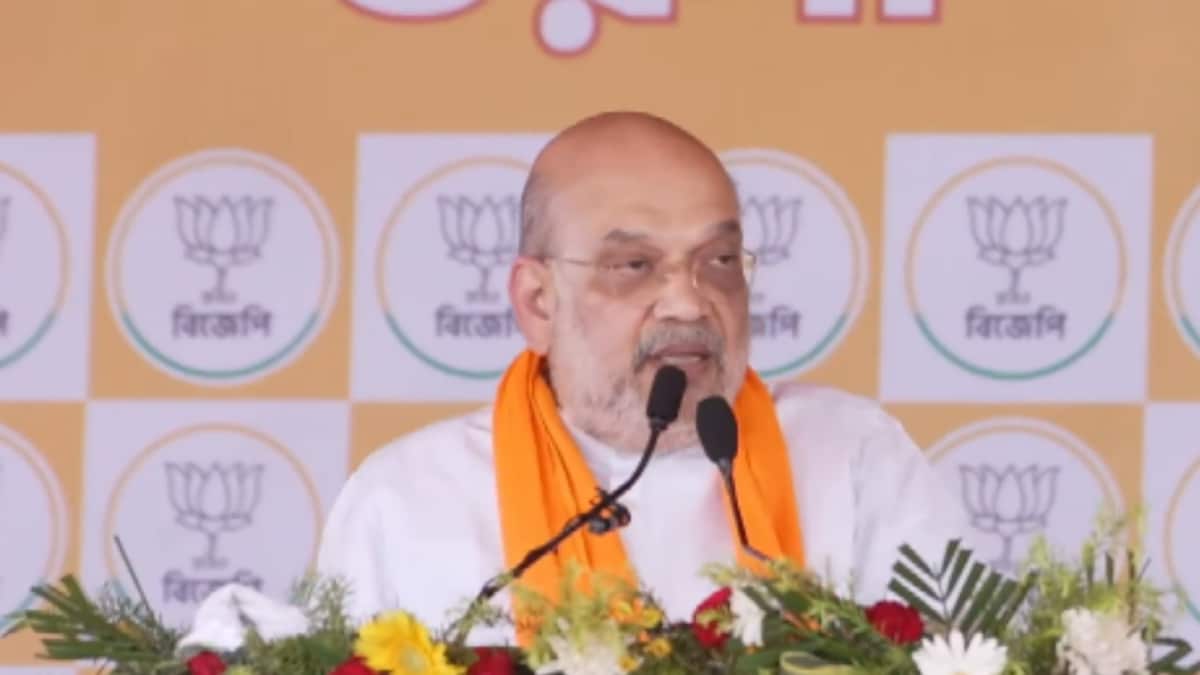
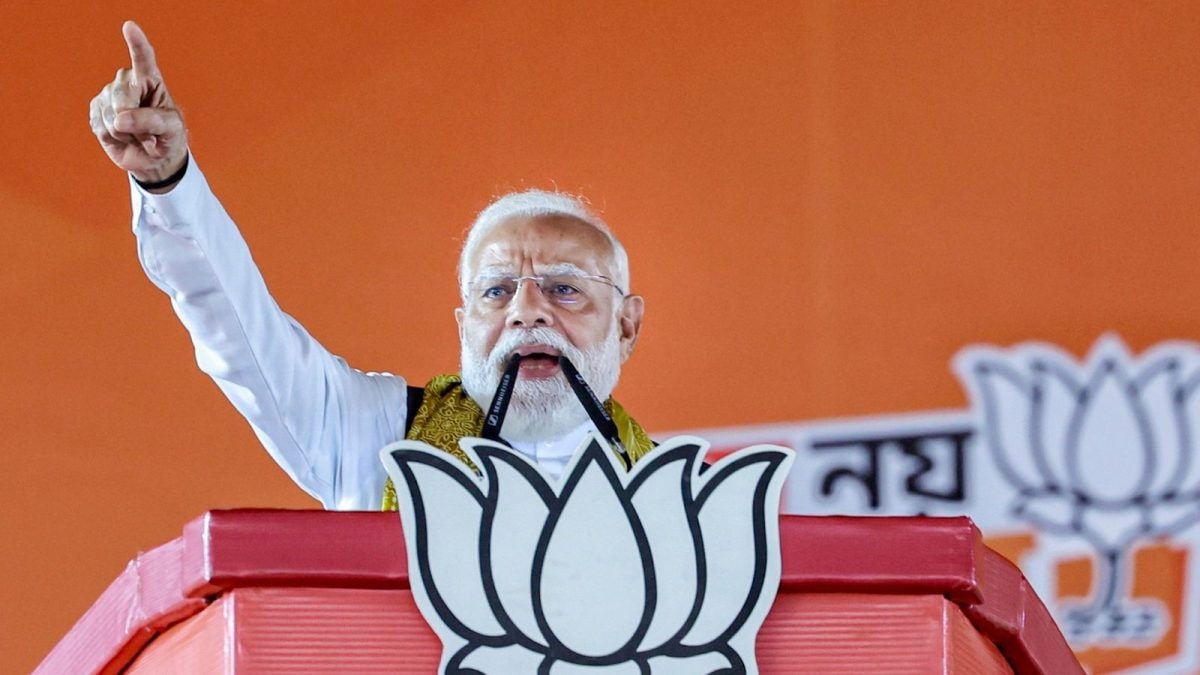
Honestly, when I heard that Prime Minister Narendra Modi was going to speak in Katwa, I thought it would be another typical political rally – lots of slogans, some music, and a few long speeches. But as soon as the crowd settled down and the Prime Minister took the stage, I could sense something different. He started by directly addressing the Matua and Namasudra refugee families, who have been living in West Bengal for generations, waiting for a clear resolution on their citizenship status.
“I want to tell the Matua and Namasudra refugee families that they are under the protection of the country's Constitution,” Modi said, his voice steady. He went on to remind everyone that the Citizenship (Amendment) Act – which many of us still discuss over tea at the neighbourhood chai stall – was actually introduced to give a legal channel for those very families.
What struck me was the way he promised that, if the BJP forms the state government, the whole CAA process would be sped up. He didn’t just say "we'll try"; he said it would be "accelerated" for all eligible applicants. That sort of commitment, spoken in plain language, felt oddly reassuring for a lot of people I know who have been waiting for years, sometimes even decades, for a passport or identity document.
In most cases, the bureaucracy around citizenship can feel like a never‑ending maze, especially when you have to travel to Kolkata every few months just to submit a form or stand in a long queue. Modi’s promise, though political, seemed to acknowledge that pain. I could see a few elders in the crowd nodding, some whispering "finally" under their breath.
The Hard‑Edged Message on Infiltration and TMC Governance
After the citizenship talk, the Prime Minister shifted gears and launched a more aggressive tone against what he called "infiltrators". He said, quite bluntly, "The infiltrators should start packing their bags; it is time to leave. Those who have helped the infiltrators will not be spared." The language was harsh, but it matched the style we often hear in election season – a mix of warning and warning again.
For many of us who live near the border districts, the word "infiltrator" brings to mind daily news about border security, occasional raids, and a general sense of unease. Modi’s remarks seemed aimed directly at that sentiment, telling people that the central government will not turn a blind eye.
He then turned his focus toward the state government, led by Chief Minister Mamata Banerjee and her Trinamool Congress (TMC). He claimed that the 15‑year rule of the TMC has only bred fear among the people of Bengal. "This election is to eradicate the TMC’s fear," he declared, emphasizing a narrative of change and development. The phrase "fear" was repeated a couple of times, as if to make sure it stuck in the listener’s mind.
Listening to this, I remembered the times when my aunt’s neighbour complained about erratic electricity and water supply, and how the local TMC office was often blamed. Those everyday frustrations were being turned into a larger political story, one that Modi used to paint the opposition as the cause of prolonged hardships.
He didn’t stop at criticism. He also promised a different kind of governance – one built on what he called "BJP's trust" and development. It felt like a call for a fresh start, a kind of political reset that many voters might find appealing, especially those who feel left out of the current system.
White Paper on Corruption and a High‑Profile Inquiry
One of the more concrete promises Modi made was the release of a White Paper that would detail corruption and law‑and‑order issues in West Bengal. He said this document would make every TMC goon, syndicate, and corrupt MLA or minister fully accountable under the law.
Now, a White Paper is usually a thick, technical document, something you might find in the library of a university. But here, the politician framed it as a weapon against corruption. He added that an inquiry commission, headed by a retired Supreme Court judge, would be set up to investigate political violence.
In most of my conversations with friends who work in the legal field, the idea of a retired judge leading an inquiry adds a layer of seriousness. It’s not just another committee; it’s a body that people respect because of the judge’s experience.
While I cannot confirm how fast such a commission would actually start its work, the announcement itself does a lot of heavy lifting – it signals that the BJP is serious about tackling what they portray as a law‑and‑order crisis under the TMC.
For ordinary citizens, especially those who have been victims of political clashes, this kind of promise can feel like a hopeful signal that there might finally be some accountability. It also mirrors what we often hear on the news: promises of clean governance paired with strong rhetoric against the opponent.
Election Context and What It Means for Voters
The rally took place just days before the two‑phase assembly election in West Bengal. While the original report mentioned specific dates, I will just say that the poll will happen in two stages, with the counting of votes to follow later. The timing of Modi’s speech, therefore, was clearly strategic – a last‑minute push to sway undecided voters and energise the party base.
When I think about the election, I picture the usual scene: families gathering around small televisions, shops plastered with political posters, and volunteers knocking on doors with leaflets. In a state like Bengal, where politics is almost a family affair, every statement from a national leader can become dinner‑table discussion material.
For many Matua and Namasudra families, the promise of faster citizenship could become a decisive factor. For those who have felt unsafe because of alleged infiltration, the hard‑line stance might be appealing. And for residents tired of corruption allegations, the White Paper and inquiry commission could sound like a breath of fresh air.
However, the speech also painted the opposition in stark, negative colours – a classic political move designed to create a clear choice for the electorate. Whether this narrative will hold sway, I cannot say, but it certainly adds another layer to the already complex political tapestry of West Bengal.
Side Notes and Unrelated Headlines
Interestingly, the original article also included a couple of unrelated headlines – “Israel Iran War News” and “Iran US Ceasefire”. While these have nothing to do with the West Bengal rally, they remind us how news portals often stitch together different stories in one page. For a reader scrolling through the site, such snippets can be distracting, but they also show the global context in which local politics happens.
Even though these bits are unrelated, they give a sense of the broader information environment that Indian voters navigate – a mix of domestic politics, international conflicts, and everything in between.