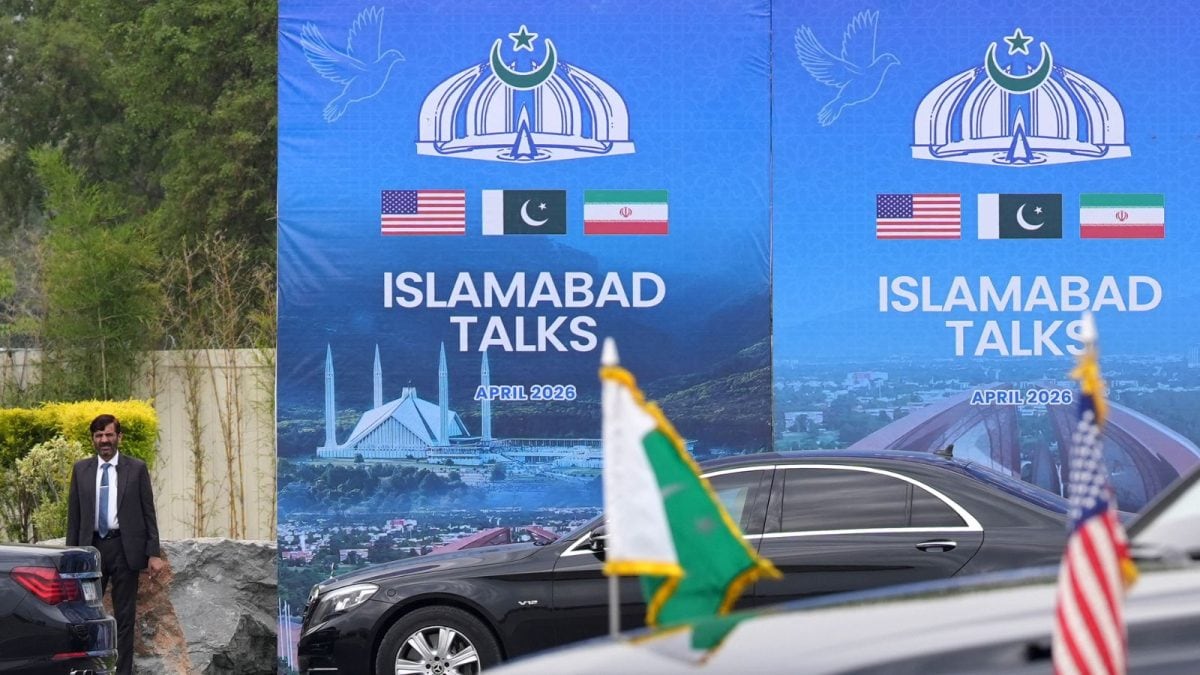
Advance teams from Tehran conveyed to the United States that any progress on nuclear front, particularly uranium enrichment, would hinge on securing firm commitments related to Lebanon
When I first heard about the latest round of talks, I was watching the news over a cup of chai and thinking how these diplomatic chess games always feel like a long‑distance cricket match. The gist, as I understood it, is that Iran has put Lebanon front and centre. Tehran’s advance teams have told the United States that any steps forward on the nuclear front – especially on uranium enrichment – will only happen if there are solid promises concerning Lebanon. In simple words, Iran is saying, “If United States can give us something concrete about Lebanon, Iran will consider moving a little on uranium enrichment.”
Iranian representatives have been quite clear about this stance during the preliminary exchanges. The message was not vague; it was repeated with the same phrasing in several briefings. United States officials, along with Lebanese representatives, have answered with a cautious tone, promising to do their best to address the concerns. Yet, the underlying complexity means that negotiations could stretch for a while, and a full‑blown settlement does not appear on the near‑term horizon.
Pakistan’s role and the arrival of key personalities
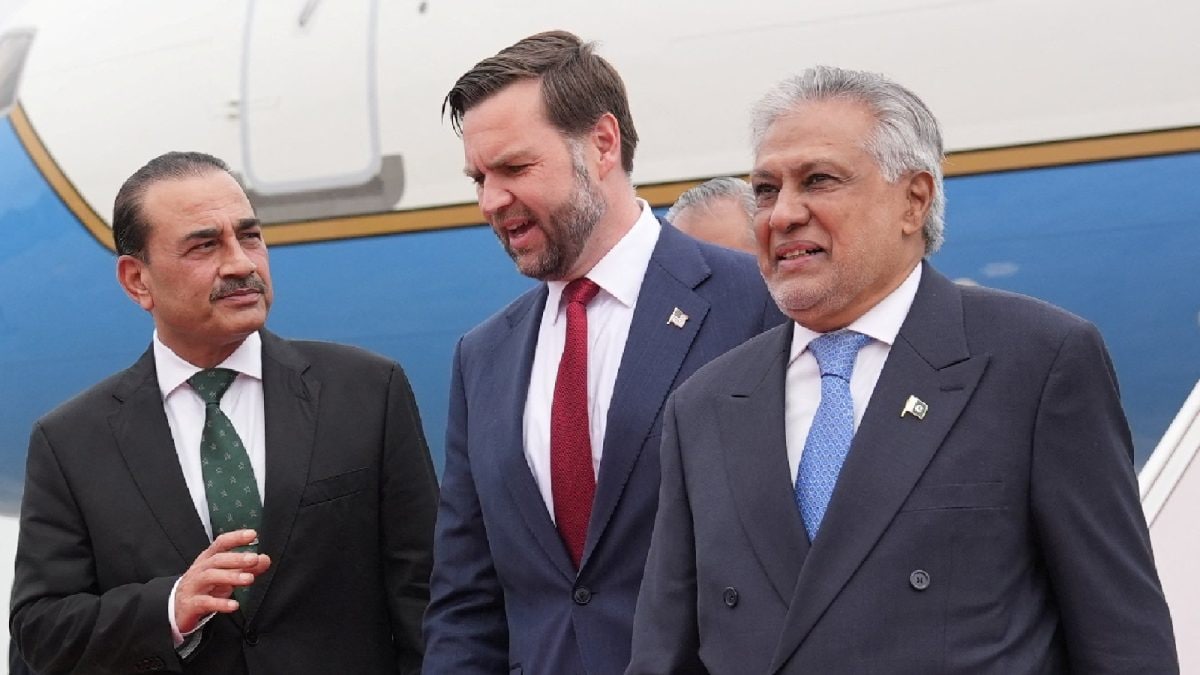
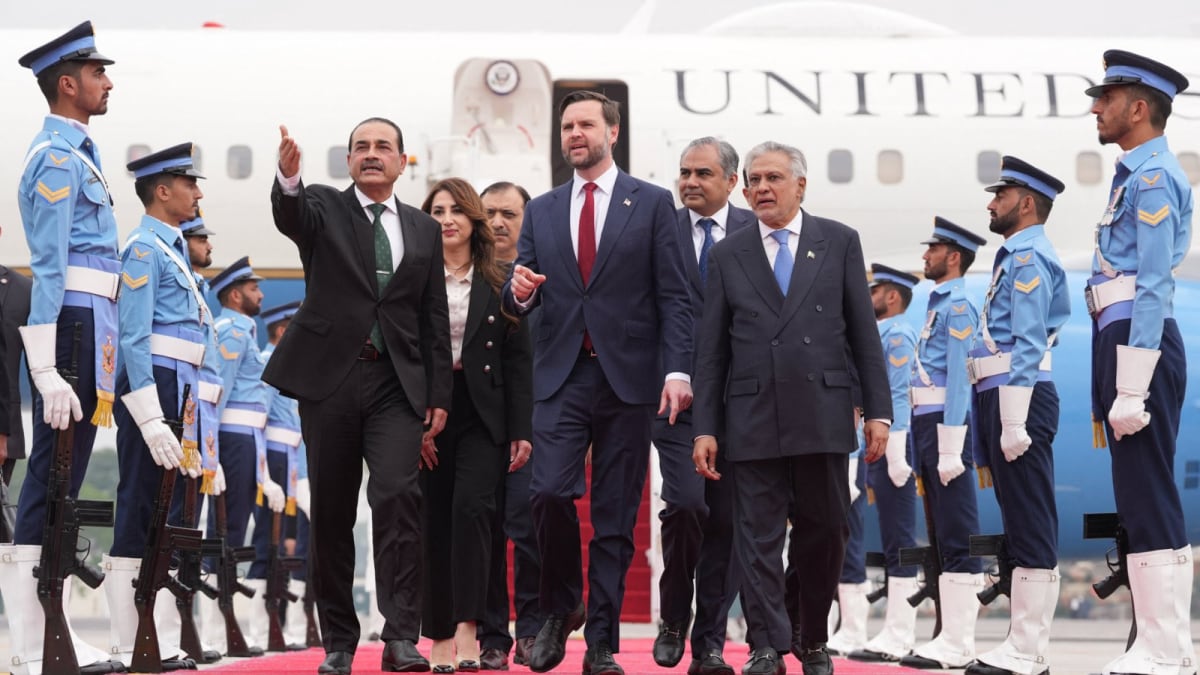
Now, let me shift a bit and talk about Pakistan’s angle. Pakistan’s military and civilian leadership, headed by Army Chief General Asim Munir and Prime Minister Shehbaz Sharif, are keen on seeing at least a modest breakthrough. Both leaders seem to hope that some elements of the deal could finally take shape during this round of talks. The arrival of United States Vice President JD Vance and Iranian Parliament Speaker Mohammad Bagher Ghalibaf has been interpreted as a major positive signal.
Mohammad Bagher Ghalibaf’s decision to attend, in particular, marks a shift. Earlier, Mohammad Bagher Ghalibaf had expressed reluctance, citing a lack of trust in the United States. His presence now is being read by officials as an indication that Tehran sees value in engaging, and that some form of outcome may be within reach. For me, it felt like watching a reluctant neighbour finally stepping out for a cup of tea – the atmosphere suddenly becomes more hopeful.
Deep divergences and the battle of narratives
Even with these hopeful signs, deep divergences persist. While the United States appears increasingly eager to halt the conflict – driven by both strategic fatigue and domestic political considerations – Iranian officials have projected confidence, asserting that Tehran retains the capacity to escalate and “teach the United States a lesson”. Iran has also indicated that the current cease‑fire disproportionately benefits the United States, reducing Tehran’s incentive to compromise quickly.
From my perspective, the way these talks are being framed is similar to a family argument where one side keeps reminding the other of past grievances while the other tries to push for peace. Iranian officials keep reminding the United States of its strategic advantages, while the United States pushes for a quicker end to hostilities to avoid further costs.
Insights from Indian intelligence and the regional leverage
According to top Indian intelligence sources, the United States is engaged in hard bargaining, while Iran is leveraging its battlefield resilience and regional influence, especially through groups like Hezbollah in Lebanon, to extract stronger security guarantees. This dynamic has shaped the negotiating posture on both sides, turning the talks into a complex mix of military leverage and diplomatic maneuvering.
When I tried to compare this to everyday situations, I thought of a landlord and a tenant. The landlord (Iran) knows the tenant (United States) needs the house (regional stability) and therefore asks for extra rent (security guarantees). The tenant, meanwhile, wants to keep the rent affordable and the house intact. The landlord’s claim that the current cease‑fire benefits the tenant more is like saying the tenant is already getting a discount, so why should the landlord lower the price further?
Pakistan as a visible mediator and the idea of an “Islamabad Accord”
Pakistan’s positioning as a visible mediator has given Islamabad a central role in these sensitive engagements. However, expectations are being tempered. Officials believe that any potential “Islamabad Accord” is more likely to result in a fragile, interim understanding, possibly extending the cease‑fire – rather than a comprehensive resolution to the wider conflict.
From where I sit, it feels a bit like a school project where one student volunteers to be the group leader. The leader can organise meetings and keep everyone on track, but the final grade still depends on how well each member contributes. In this case, Pakistan can facilitate discussions, but the final content of any aGreement will still hinge on the demands of Iran and the concessions of the United States.
Potential outcomes and the road ahead
As negotiations intensify, the coming days will determine whether this delicate balancing act can produce even a limited breakthrough, or whether entrenched mistrust will once again keep a lasting deal out of reach. The scenario that seems most plausible, based on the information available, is an extension of the cease‑fire with a set of limited, perhaps symbolic, concessions from each side.
For the common person watching from home, the takeaway is that these talks are not just about high‑level politics; they affect everyday life – from fuel prices to the safety of markets in border towns. If even a modest aGreement is reached, we might see a reduction in the news headlines about shelling and a little more stability for families on both sides of the border.
On the other hand, if the talks stall, the risk of renewed hostilities could impact everything from trade routes passing through Pakistan to the daily commute of people living near conflict zones. The stakes are high, and the human element – the countless families hoping for peace – remains at the heart of these negotiations.