Political Standoff Forces Pakistan Women’s Football Squad to Exit SAFF Championship in India
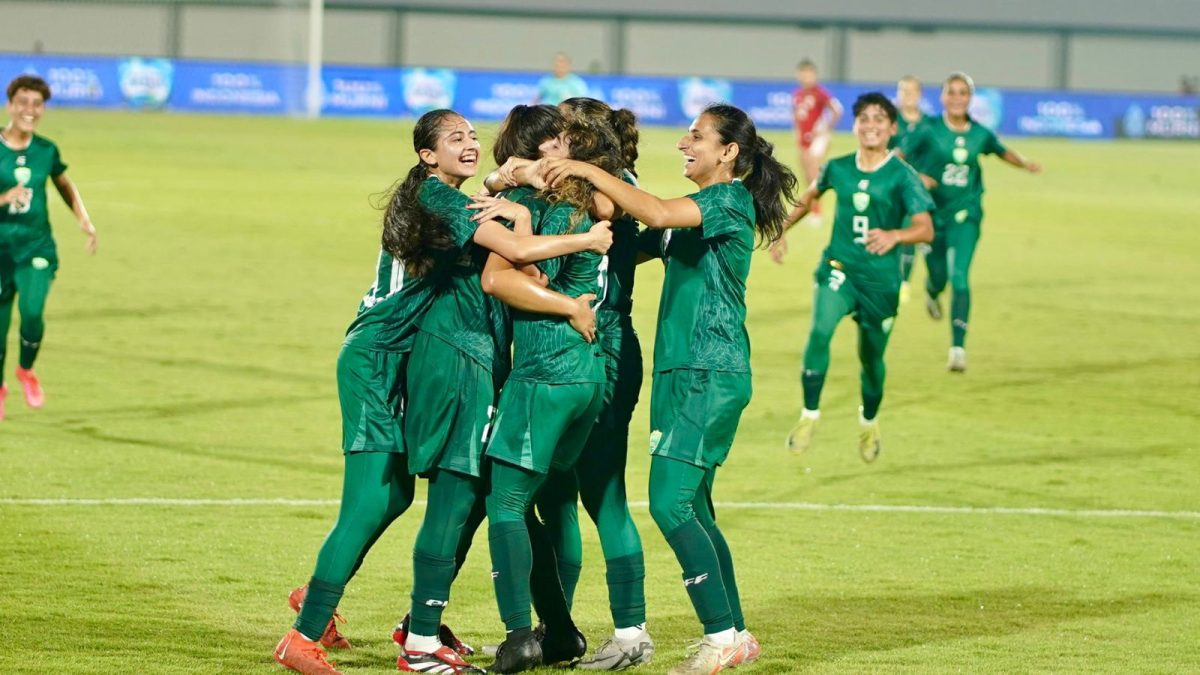
Withdrawal Confirmed by Reports
The Pakistan women’s football team has officially pulled out of the forthcoming SAFF Women’s Championship, a tournament that was to be hosted on Indian soil. The decision emerges from the lingering political tension that exists between Pakistan and India, a factor that has repeatedly interfered with sporting exchanges across the region.
According to a detailed article in The Times of India, the South Asian Football Confederation had initially anticipated participation from all seven of its member associations, promoting the event as a premier showcase for women’s football in South Asia. However, the withdrawal of the Pakistan women’s football team has now reshaped the competitive field, leaving six national sides to contest the title.
Deadlines Missed, Confirmation Absent
Prior to the latest development, the governing bodies had set a clear deadline for each association to confirm involvement in the championship. The deadline elapsed without a formal affirmation from the Pakistan women’s football team. In the absence of a confirmation, officials inferred that the higher authorities in Pakistan were reluctant to permit travel to India under the prevailing diplomatic circumstances.
“Pakistan will not participate. There is no official confirmation yet, but the deadline that was provided to them for confirmation has already passed. It looks like the (Pak) govt does not want the team to travel to India,” a senior official disclosed during an interview with The Times of India. The statement underscores the political calculations that appear to have overridden sporting considerations.
Impact on the Tournament Structure
With the Pakistan women’s football team stepping aside, the SAFF Women’s Championship will now be contested by six teams. The host nation, India, will still lead the competition, accompanied by Bangladesh, Nepal, Sri Lanka, the Maldives, and Bhutan. All six associations have confirmed their participation and are preparing for the matches that will unfold over the scheduled period.
The removal of one participant inevitably alters the tournament’s fixture list, group allocations, and the overall competitive dynamics. Nevertheless, the South Asian Football Confederation has expressed confidence that the championship will retain its stature and continue to provide a valuable platform for women's football development across the region.
Historical Context of India‑Pakistan Sporting Relations
Sporting ties between India and Pakistan have been historically volatile, with cricket often serving as the most visible barometer of bilateral sentiment. Over the years, matches between the two nations have at times been marked by on‑field tension, occasional diplomatic protests, and even instances where athletes have refrained from customary handshakes.
The same pattern of strain manifested in football when previous encounters were marred by security concerns and political protests. The most recent flashpoint involved a high‑profile cricket fixture that sparked a prolonged standoff with international governing bodies over the venue and scheduling. Such precedents illustrate how broader diplomatic discord can cascade into the realm of sport, influencing decisions like the one taken by the Pakistan women’s football team.
Participating Nations and Their Recent Achievements
India enters the championship as the most successful side in the tournament’s history, having secured five titles. Bangladesh, meanwhile, has risen to prominence in recent years, clinching the two most recent editions with decisive performances, including a narrow 2‑1 victory over Nepal in a final that took place at a major stadium in Kathmandu.
Nepal, though falling short of a title in the latest editions, demonstrated resilience by reaching decisive stages in continental qualifiers. Their journey in the AFC Women’s Asian Cup Down Under saw them pitted against strong opponents, and they narrowly missed advancement after a tense penalty shootout against Uzbekistan, a side that progressed to the quarterfinals of that continental competition.
Sri Lanka, the Maldives, and Bhutan have all confirmed their involvement and are eager to test their squads against the region’s stronger teams. While each of these nations continues to develop its domestic women's football infrastructure, participation in the SAFF Women’s Championship offers a crucial opportunity for exposure, experience, and growth.
Implications for Women’s Football Development in South Asia
The SAFF Women’s Championship serves not only as a contest for regional supremacy but also as a catalyst for the broader development of women’s football across South Asia. By bringing together six national teams, the tournament creates a competitive environment that encourages investment in training facilities, coaching expertise, and youth development programs.
For the Pakistan women’s football team, the withdrawal represents a missed opportunity for athletes to gain valuable international experience. The decision, rooted in political considerations, highlights the challenges that South Asian women athletes often face when broader geopolitical issues intersect with sporting aspirations.
Conversely, the remaining participants stand to benefit from intensified competition. Teams such as Bangladesh and India will likely view the championship as a platform to consolidate their dominance, while emerging sides like Bhutan and the Maldives will aim to challenge higher‑ranked opponents and measure progress against established benchmarks.
Future Outlook and Potential for Reconciliation
Looking ahead, stakeholders hope that the political climate will eventually allow for full participation from all South Asian nations, including the Pakistan women’s football team. The shared passion for football, coupled with the growing popularity of the women's game, could serve as a bridge for dialogue and cooperation.
The South Asian Football Confederation remains optimistic that future editions of the SAFF Women’s Championship will feature a complete lineup, fostering a truly inclusive competition that reflects the diverse talent pool of the region. Continued efforts to separate sport from politics, where feasible, may pave the way for more harmonious sporting exchanges in the years to come.