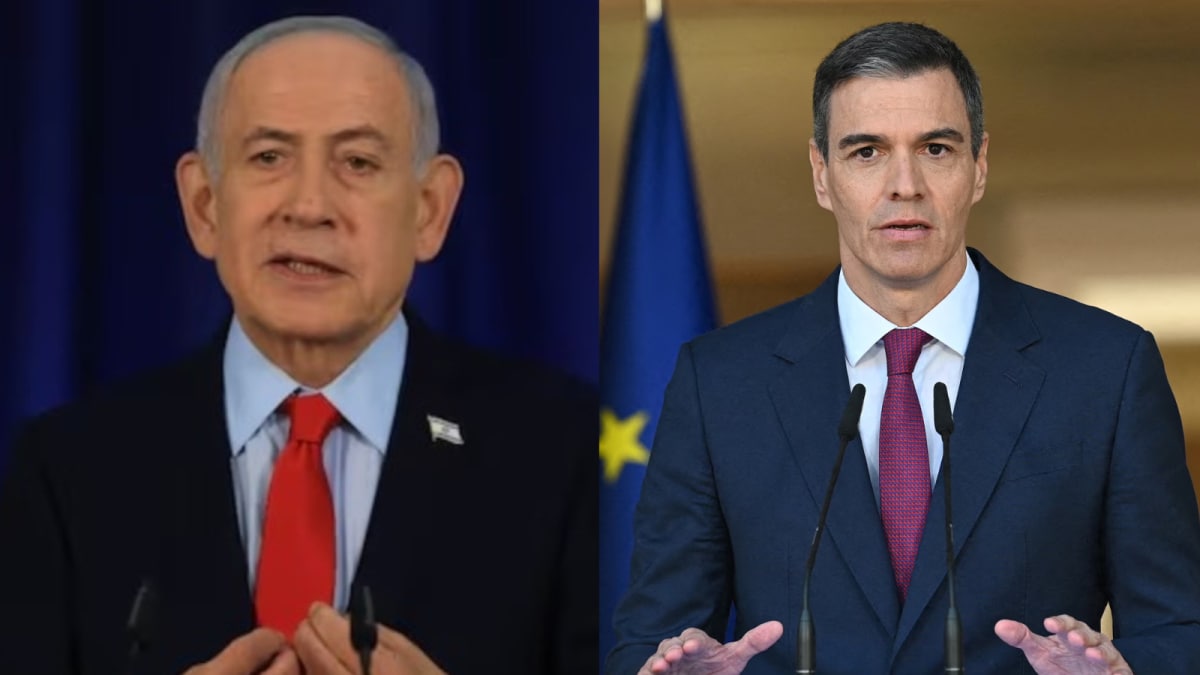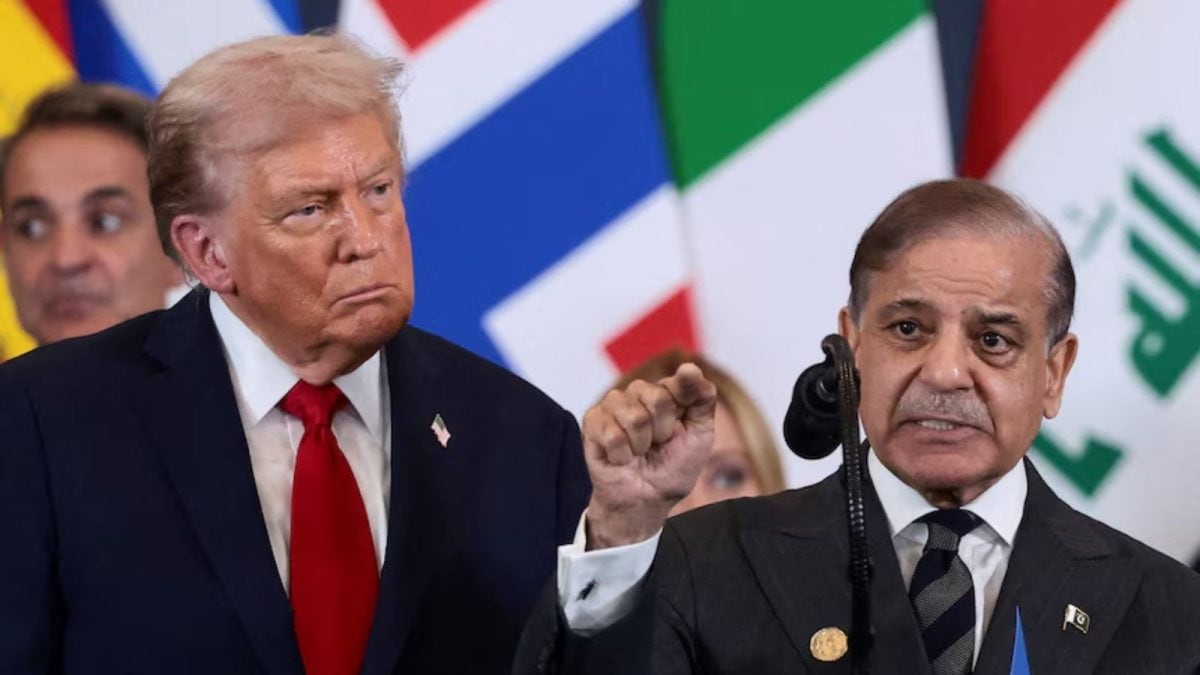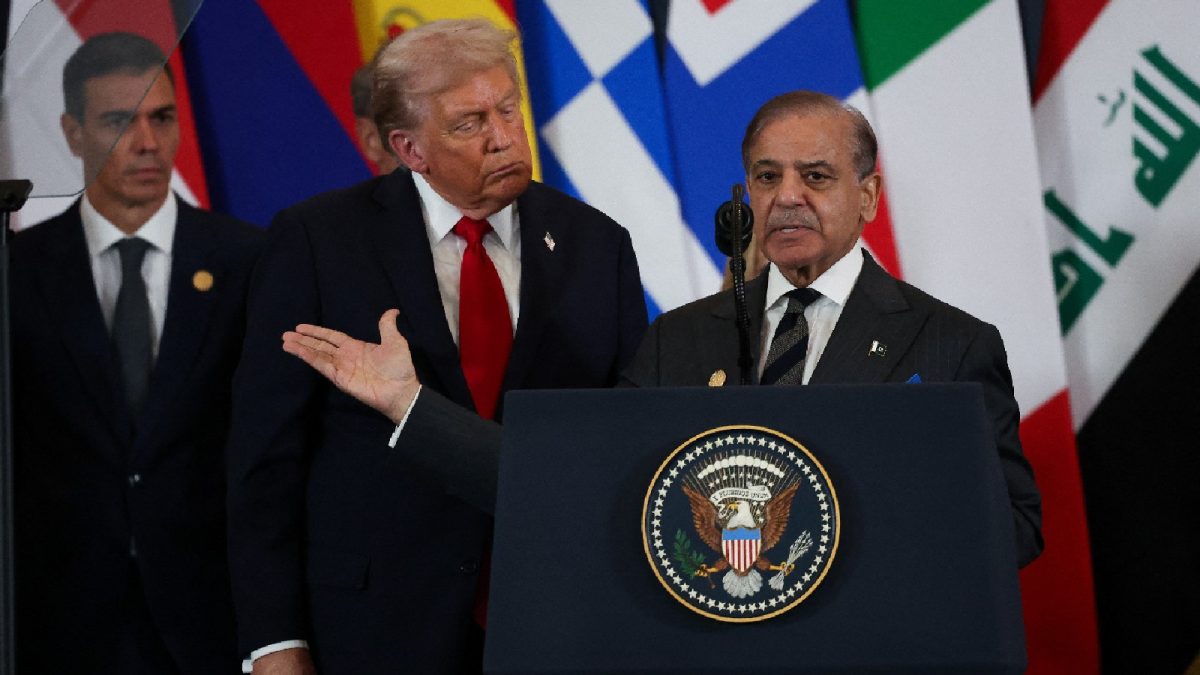
The unexpected tweet that got everyone talking
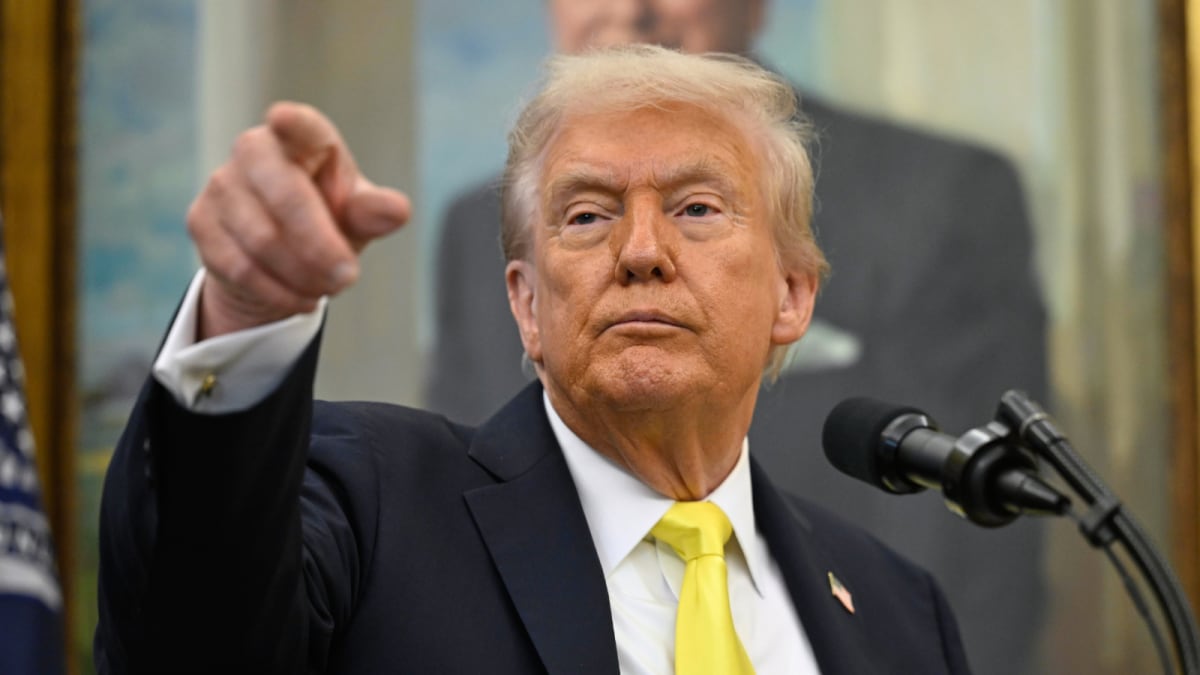
So there I was, sitting on my balcony with a cup of chai, scrolling through the usual feeds when I saw it – a short, bold statement from Donald Trump that read, “World’s most powerful reset.” No emojis, no hashtags, just that line flashing across his profile. It felt a bit like getting a mysterious text from an old friend you haven’t spoken to in ages – you know there’s some hidden meaning, but you’re not quite sure what to make of it.
What made it even stranger was the timing. The post went live early on a Friday, just a few hours before the US delegation, led by Vice President JD Vance, was set to leave for Pakistan. In most cases, when a former president drops a cryptic line like this, people start stitching together theories – is it about trade? Is it about a fresh diplomatic push? I quickly remembered that the US had been trying to find a way back onto the negotiation table with Iran after years of dead‑lock.
Honestly, it felt a bit like when we hear a neighbour start repairing their roof in the middle of a monsoon – you know something is about to happen, you just can’t see the exact outcome yet.
Setting the scene: JD Vance’s team and the Pakistan stop‑over
JD Vance, who’s currently serving as the US Vice President, announced the trip with his usual measured tone. He said, “We’re looking forward to the negotiation. I think it’s going to be positive,” and added that “Trump gave us some pretty clear guidelines on negotiations.” I felt that line stuck with me because it reminded me of my own experience when I get a quick brief from a senior manager before a big client meeting – you get the confidence boost, but the real challenge begins once you’re at the table.
What’s interesting is that Iran apparently prefers JD Vance to take the lead. Reports say Iranian officials think Steve Witkoff and Jared Kushner have misrepresented Tehran’s positions in the past, which made JD Vance an attractive face for them. This mirrors a situation we sometimes see here at home, where a local leader is invited to negotiate because the other side trusts his honesty more than that of the senior bureaucrats.
Iran’s side of the story: Conditions set by Mohammad Bagher Ghalibaf
On the Iranian side, the tone was a bit more cautious. Parliament Speaker Mohammad Bagher Ghalibaf posted on X (formerly Twitter) that negotiations could not begin until two pre‑conditions were met: a cease‑fire in Lebanon and the release of Iran’s blocked assets. He wrote, “Two of the measures mutually aGreed upon between the parties have yet to be implemented: a ceasefire in Lebanon and the release of Iran’s blocked assets prior to the commencement of negotiations. These two matters must be fulfilled before negotiations begin.”
Reading that, I couldn’t help but think of the way we sometimes delay a family function until certain chores are finished – it’s a practical, if a little impatient, approach. Ghalibaf’s statement makes it clear that Iran wants concrete steps before they even sit down to talk, which is understandable given the long history of mistrust.
Adding a layer of tension, the Central Headquarters of Hazrat Khatam al‑Anbiya, a name that may not be familiar to everyone, warned that Iran’s armed forces have “fingers on the trigger” because of repeated “breaches of trust” by the US and Israel. That line certainly raised eyebrows, and in my mind it sounded like the fire alarm going off just before an important exam – everybody’s on edge, waiting to see if it will go off or stay silent.
Why the ‘reset’ matters – a personal take
Now, why does Trump’s short phrase matter? In most cases, when a former leader uses language like “reset,” it signals a desire to start over, to wipe the slate clean. For the US‑Iran relationship, a reset could mean anything from easing sanctions to opening new diplomatic channels. I felt a bit like when my uncle decides to change his mobile plan after years of the same‑old plan – you suspect there’s a hidden agenda, maybe better coverage or more data, but you only find out once the new bill arrives.
It also reminded me of the many times I’ve watched cricket matches where a captain will shout “reset” after a poor over, meaning everyone has to regroup, rethink the strategy and come back stronger. Whether it’s sports, business or international diplomacy, a reset is rarely just a word; it’s a call to action.
The bigger picture: Regional implications and everyday reflections
From the perspective of an Indian observer, these developments have a ripple effect that goes beyond the US and Iran. The South Asian region, including Pakistan, has always been a crossroads for major powers. A successful diplomatic breakthrough could lower tensions in the Persian Gulf, which indirectly affects oil prices – something I notice every time my mom Greets me with a sigh during a sudden rise in fuel cost at the petrol pump.
On the other hand, the Tehran condition about a cease‑fire in Lebanon keeps reminding me of how interconnected conflicts can be. A calm in one area often means a calmer decision in another, just like when a neighbour finally finishes mowing their garden, the whole lane looks neater.
And then there’s the fear that the “fingers on the trigger” comment might translate into actual military posturing. It’s a bit like when a driver revs his engine before a lane change – you can hear it, feel the tension, but hope the driver knows the rules.
My personal observations on the diplomatic dance
Having lived through several political turns, I’ve learned that the language used by leaders often masks deeper strategies. When Trump said “World’s most powerful reset,” it wasn’t just a tweet; it was like an invitation card for a big party, where the guest list includes JD Vance, Steve Witkoff, and Jared Kushner. The invitation is extended to Iran with conditions from Ghalibaf and an undercurrent of warning from Hazrat Khatam al‑Anbiya.
What strikes me most is the blend of optimism and caution. JD Vance’s quote – “We’re looking forward to the negotiation. I think it’s going to be positive” – feels like the optimism you get when you’re about to start a new semester, hopeful but aware of the workload ahead. Meanwhile, Ghalibaf’s insistence on pre‑conditions feels like a teacher reminding us to complete the previous assignment before moving on.
Overall, I can’t help but feel that these talks, if they happen, will be watched closely not just by diplomats in New York or Tehran, but by everyday people like me, who watch the fuel price board, read the news over a cup of tea, and wonder how a “reset” might affect our daily lives.
Conclusion – waiting for the next move
As the US delegation lands in Pakistan and the Iranian spokesperson lays down pre‑conditions, the world seems to be holding its breath for a sign of progress. The “World’s most powerful reset” remains a cryptic clue, but the collective optimism of JD Vance’s team and the cautious demands of Mohammad Bagher Ghalibaf set the stage for a delicate balancing act.
For me, it feels like waiting for the next episode of a favorite TV show – you know the characters, you know the stakes, but the exact plot twist is yet to be revealed. Whether the reset leads to a new chapter of dialogue or simply adds another layer of suspense, the conversation continues, and so does my habit of checking updates over my evening chai.
We’ll have to see if the “reset” actually turns into a reset in reality, or if it remains just another headline in the endless news cycle. Until then, I’ll keep watching, sipping, and hoping for a peaceful outcome that benefits not just the big players but also ordinary folks like us.