Alcohol Vs Lifestyle: Which Poses the Greater Threat to Liver Health?
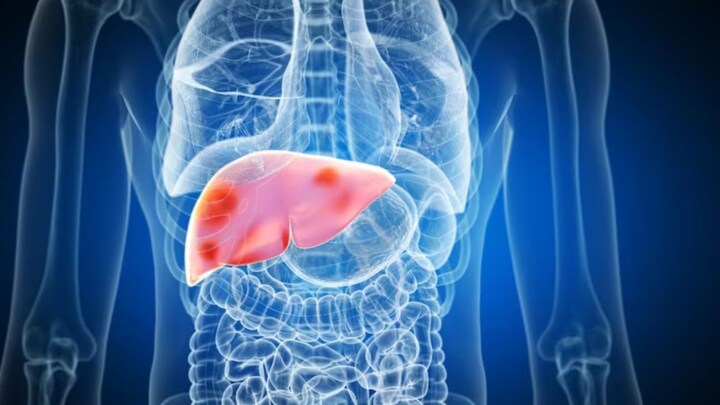
Is alcohol the biggest threat to your liver, or is your lifestyle to blame? Experts explain the rise of fatty liver disease, its causes, and how to prevent it.
Understanding Alcohol‑Related Liver Disease
Alcohol‑related liver disease remains a prominent public‑health concern. The pattern of consuming large quantities of alcoholic beverages over short periods, known as binge drinking, has become increasingly common. Early exposure to alcoholic drinks amplifies the risk because the liver, the primary organ responsible for metabolising ethanol, bears the brunt of toxic by‑products.
When ethanol is processed, it generates acetaldehyde, a highly reactive molecule that damages hepatocytes – the functional cells of the liver. Persistent exposure to acetaldehyde triggers an inflammatory response, promoting the recruitment of immune cells to the liver tissue. Over time, chronic inflammation leads to the formation of scar tissue, a process medically described as fibrosis. If fibrosis advances unchecked, it culminates in cirrhosis, an irreversible stage characterised by extensive scarring and impaired liver function.
These pathological steps are well documented and form the basis of why medical professionals regard excessive alcohol consumption as a direct and potent cause of liver injury.
Emergence of Metabolic Dysfunction‑Associated Steatotic Liver Disease (MASLD)
In parallel with the ongoing challenge of alcohol‑related liver disease, a comparable surge in cases that are not linked to alcohol consumption has drawn the attention of clinicians worldwide. This condition, now officially designated as metabolic dysfunction‑associated steatotic liver disease (MASLD), was previously known as non‑alcoholic fatty liver disease. The new terminology underscores the central role of metabolic imbalance rather than alcohol intake.
Dr. N.A. Rajesh, Lead Consultant, Medical Gastroenterology, SRM Global Hospitals, Chennai, emphasizes that MASLD is driven by a cluster of lifestyle‑related risk factors. These risk factors operate independently of alcohol use and can, in many instances, be identified long before any symptoms appear.
The principal contributors to MASLD, as outlined by Dr. N.A. Rajesh, Lead Consultant, Medical Gastroenterology, SRM Global Hospitals, Chennai, include:
- Unhealthy dietary habits, especially the frequent consumption of processed foods that are high in calories, sugars, and unhealthy fats.
- A sedentary lifestyle characterised by minimal regular physical activity.
- Gradual weight gain that leads to overweight and obesity, placing additional metabolic strain on the liver.
- Pre‑existing medical conditions such as type‑2 diabetes mellitus and broader metabolic imbalances that disrupt normal glucose and lipid regulation.
- Poor sleep patterns coupled with chronic psychological stress, both of which influence hormonal pathways that affect liver fat accumulation.
Similar to alcohol‑related injury, the progression of MASLD is insidious. Many individuals remain unaware of the disease until it is discovered incidentally during imaging studies for unrelated health concerns, or until complications such as advanced fibrosis or liver cancer develop.
Why MASLD Is Gaining Ground Across Urban and Semi‑Urban Communities
Research highlighted by Dr. N.A. Rajesh, Lead Consultant, Medical Gastroenterology, SRM Global Hospitals, Chennai, indicates that the prevalence of MASLD is rising not only in metropolitan centres but also in semi‑urban locations. The common denominator is a shift in daily habits: increasing reliance on convenient, calorie‑dense meals and a decline in physically demanding occupations.
When the liver is consistently exposed to an oversupply of fatty acids and sugars, it attempts to store the excess energy as triglycerides within hepatocytes. Over time, this accumulation of fat distorts normal cellular function, leading to a state known as hepatic steatosis. In the presence of insulin resistance – a hallmark of type‑2 diabetes – the liver’s ability to process these lipids diminishes further, accelerating the disease course.
The silent nature of MASLD means that many people who never consume alcohol nevertheless develop serious liver damage. This reality challenges the traditional perception that liver disease is synonymous with alcohol abuse.
Interplay Between Alcohol Consumption and Lifestyle‑Related Risk Factors
Although alcohol‑related liver disease and MASLD can develop independently, they are not mutually exclusive. When moderate or heavy alcohol intake co‑exists with obesity, diabetes, or a sedentary routine, the combined effect on hepatic health can be multiplicative. In such scenarios, even modest amounts of alcohol may exacerbate liver injury that would otherwise progress more slowly.
Dr. N.A. Rajesh, Lead Consultant, Medical Gastroenterology, SRM Global Hospitals, Chennai, notes that clinical guidelines now recognise the importance of evaluating both alcohol use and metabolic health together when assessing a patient’s risk profile. A holistic review that includes drinking patterns, body‑mass index, glycaemic control, and activity level provides a more accurate picture of potential liver damage.
Prevention Strategies: A Comprehensive Lifestyle Blueprint
Given the dual threats posed by alcohol and lifestyle, preventive measures must address both domains simultaneously. The following evidence‑based recommendations, reiterated by Dr. N.A. Rajesh, Lead Consultant, Medical Gastroenterology, SRM Global Hospitals, Chennai, form a practical roadmap for protecting liver health:
- Limit Alcohol Intake: Adhering to guidelines that define low‑risk drinking limits can substantially reduce the chance of alcohol‑related liver injury. For individuals who already consume alcohol, reducing frequency and quantity is a critical first step.
- Adopt a Balanced, Nutrient‑Rich Diet: Emphasise whole foods such as fruits, vegetables, lean proteins, whole grains, and healthy fats. Minimising processed snacks, sugary beverages, and trans‑fat laden items helps lower hepatic fat accumulation.
- Engage in Regular Physical Activity: Incorporating aerobic exercises, resistance training, or even brisk walking for at least 150 minutes per week supports weight management and improves insulin sensitivity, thereby alleviating metabolic stress on the liver.
- Maintain a Healthy Body Weight: Gradual, sustainable weight loss of 5‑10 % of total body weight has been shown to reduce liver fat content and reverse early stages of MASLD.
- Control Underlying Metabolic Conditions: Effective management of diabetes, hypertension, and dyslipidaemia through medication adherence and lifestyle modification curtails the cascade that leads to liver fibrosis.
- Prioritise Quality Sleep and Stress Reduction: Establishing consistent sleep schedules and employing stress‑relief techniques such as mindfulness, yoga, or deep‑breathing exercises can modulate hormonal pathways that influence liver fat storage.
- Undergo Routine Health Screening: Periodic liver function testing, imaging studies, and assessments of metabolic markers enable early detection of abnormalities before irreversible damage occurs.
The liver possesses a remarkable regenerative capacity. When supportive habits are adopted early, damaged hepatocytes can recover, and scar tissue may stabilise or even regress. However, this healing potential is contingent upon consistent, long‑term commitment to healthy choices.
Key Takeaway: Re‑Evaluating the Perception of Liver Risk
The prevailing narrative that liver disease is principally an outcome of heavy drinking is evolving. Contemporary evidence, as summarised by Dr. N.A. Rajesh, Lead Consultant, Medical Gastroenterology, SRM Global Hospitals, Chennai, confirms that lifestyle‑related metabolic dysfunction is an equally formidable threat. Both alcohol consumption and adverse lifestyle factors act as independent risk elements, yet their intersection can precipitate more aggressive liver pathology.
Individuals seeking to safeguard their liver health must therefore adopt a dual‑focused strategy: moderating alcohol intake while simultaneously addressing dietary quality, physical activity, weight management, and metabolic control. By aligning daily practices with these evidence‑based principles, it is possible to mitigate the risk of both alcohol‑related liver disease and MASLD, thereby preserving liver function for years to come.