Apple At 50: 10 Revolutionary Products That Shaped Modern Tech
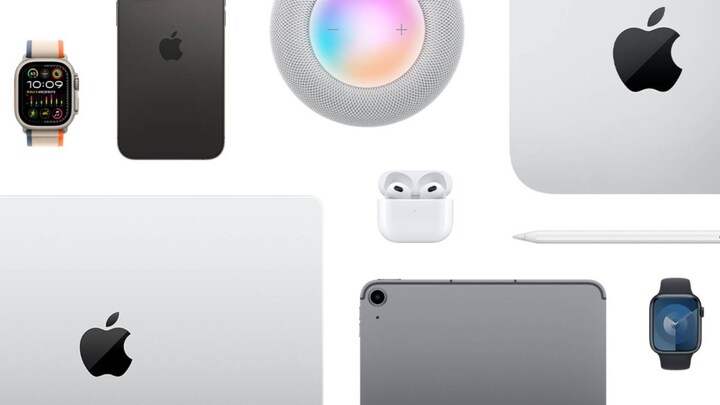
Apple marks a half‑century of influence, celebrating a line‑up of ten products that not only defined the company’s legacy but also reshaped the broader technology landscape and cultural habits worldwide.
1. Apple I – The Beginning of a Revolution
Apple I represents the inaugural step taken by Apple into the personal computing arena. Hand‑assembled by the founders, Apple I emerged as the first computer sold by Apple, targeting hobbyists who sought to explore computing beyond large, institutional machines. The simplicity of Apple I’s design, coupled with its accessible price point, opened the door for a new class of users to experiment with software, laying the groundwork for a future where computers would become household items.
The significance of Apple I extends beyond its hardware; it embodied a philosophy of user‑centric design that would echo through every subsequent Apple product. By delivering a functional computer that could be assembled with basic components, Apple I demonstrated that technology could be approachable, affordable, and tailored to individual creativity.
2. Macintosh – Introducing the Graphical User Interface to the Mass Market
Macintosh marked a pivotal moment in personal computing by bringing a graphical user interface (GUI) to a wide audience. Prior to Macintosh, interacting with computers required command‑line inputs, a barrier for many potential users. Macintosh’s innovative use of icons, windows, and a mouse transformed the way people engaged with digital information, making computing intuitive and visually driven.
Beyond the UI, Macintosh’s sleek all‑in‑one design set a new aesthetic standard, marrying form with function. The device’s emphasis on ease of use and visual appeal resonated with creative professionals, educators, and everyday consumers, establishing Macintosh as a cultural touchstone for design‑forward technology.
3. iPod – Redefining Portable Music Consumption
iPod revolutionized how listeners accessed and experienced music on the go. By consolidating hundreds of songs into a compact, user‑friendly device, iPod shifted music consumption from physical media to digital libraries. Its click‑wheel interface offered a seamless browsing experience, while its synchronization with personal computers streamlined the process of curating playlists.
The cultural impact of iPod extended far beyond its hardware. It helped foster the rise of digital music stores, altered the economics of the music industry, and turned portable listening into a fashion statement. iPod’s iconic silhouette and white earbuds became instantly recognizable symbols of a new era in personal entertainment.
4. iPhone – Merging Phone, Internet, and Media into a Single Handheld Device
iPhone combined the capabilities of a telephone, an internet browser, and a media player into a single handheld device, fundamentally reshaping communication and computing habits. Its multi‑touch screen eliminated the need for physical keyboards, allowing users to interact directly with content using gestures.
App stores introduced a thriving ecosystem where developers could create specialized applications, turning iPhone into a platform for endless functionality. From navigation to social networking, iPhone became a central hub for daily life, influencing how people work, socialize, and consume information.
iPhone’s design ethos emphasized simplicity and elegance, with a focus on minimalism that set a benchmark for future smartphones across the industry.
5. iPad – Crafting a New Category of Mobile Computing
iPad defined a new class of devices positioned between traditional laptops and smartphones. By offering a larger touch‑screen interface without the constraints of a keyboard, iPad facilitated activities such as reading, drawing, and media consumption in a more immersive manner.
The device’s versatility appealed to a broad spectrum of users ranging from students and educators to business professionals and artists. iPad’s support for stylus input and powerful processors enabled creative work that previously required more cumbersome hardware, thereby expanding the possibilities for mobile productivity.
6. Apple Watch – Integrating Health, Fitness, and Communication on the Wrist
Apple Watch introduced a wearable platform that merged health monitoring, fitness tracking, and communication into a single accessory. By providing continuous heart‑rate monitoring, activity rings, and customizable notifications, Apple Watch encouraged users to adopt healthier lifestyles while staying connected.
The watch’s ability to interface with iPhone extended its functionality, allowing users to answer calls, send messages, and access apps without reaching for a phone. Its sleek design and array of interchangeable bands made it both a functional tool and a fashion statement, solidifying wearable technology’s place in everyday life.
7. Vision Pro – Pioneering Spatial Computing for Immersive Experiences
Vision Pro represents Apple’s first foray into spatial computing, blending augmented reality (AR) and virtual reality (VR) to create immersive, three‑dimensional environments. By projecting digital content onto the real world, Vision Pro enables users to interact with applications and media in a manner that transcends traditional screens.
The device’s advanced optics and sensor suite track eye movements, hand gestures, and surroundings, delivering a responsive and intuitive experience. Vision Pro opens new avenues for work collaboration, entertainment, and creative expression, positioning spatial computing as the next frontier in personal technology.
8. MacBook – Redefining Portable Computing with Power and Portability
MacBook solidified Apple’s reputation for delivering high‑performance laptops that combine sleek design with robust processing capabilities. By integrating high‑resolution Retina displays, solid‑state storage, and extended battery life, MacBook offered users a portable computing solution that did not compromise on speed or visual fidelity.
The inclusion of advanced keyboards and trackpads enhanced user interaction, while the operating system’s seamless integration with other Apple devices promoted a cohesive ecosystem. MacBook’s influence extended into professional sectors, where creatives and developers relied on its reliability for intensive tasks.
9. iTunes – Transforming Music Distribution and Management
iTunes revolutionized how users purchased, organized, and played digital music. By providing a centralized library and a storefront for legal music downloads, iTunes shifted consumer behavior from physical media to digital ownership. The software’s ability to sync music across devices streamlined the user experience, reinforcing the synergy between Apple hardware and software.
Beyond music, iTunes expanded to accommodate podcasts, movies, and TV shows, becoming a versatile media hub that catered to diverse entertainment needs. Its role in popularizing digital distribution reshaped the economics of the entertainment industry.
10. App Store – Creating an Ecosystem That Empowered Millions of Developers
App Store established a marketplace that connected developers with a global audience, fostering an environment where innovative applications could thrive. By standardizing distribution, payment processing, and quality control, App Store lowered barriers to entry for software creators, leading to an explosion of app diversity.
The platform’s impact reverberated across multiple sectors, including education, gaming, productivity, and health, as developers leveraged the reach of App Store to deliver specialized solutions. App Store’s success cemented Apple’s position as a catalyst for the modern app economy.
Reflecting on Five Decades of Innovation
The journey from Apple I to Vision Pro illustrates a consistent thread of innovation that emphasizes user experience, design elegance, and the seamless integration of hardware and software. Each product highlighted here introduced a paradigm shift that influenced not only technology but also cultural practices, consumer expectations, and industry standards.
Apple’s commitment to redefining how people interact with digital tools continues to drive the evolution of personal technology. The legacy of these ten revolutionary products serves as a testament to Apple’s enduring influence on the modern world.