Kanye West controversies – how did we get here?
West has a history of making antisemitic remarks and other controversial comments.
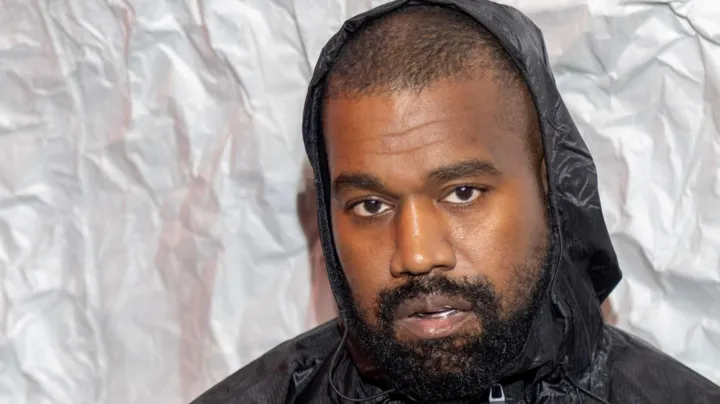
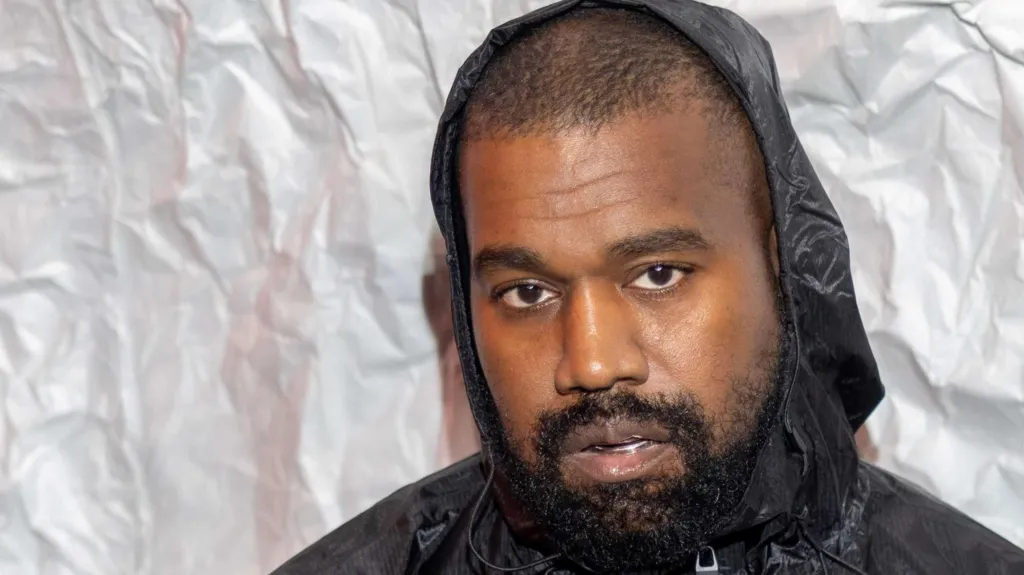
Arguably one of the most influential artists and producers of his generation, Kanye West – now known as Ye – set a new bar for hip‑hop production in the early 2000s and the following decade.
He began his professional journey by crafting beats for major stars such as Jay‑Z and Alicia Keys, quickly earning a reputation as a visionary behind the console. His first single, written while he was confined to a hospital bed after a serious car crash, introduced the world to a raw, confessional style that would become a hallmark of his career.
Over the next ten years, track after track – including anthems that dominated radio waves and reshaped the sound of mainstream rap – reinforced his status as a cultural force. Songs that blended electronic textures with soulful sampling pushed the boundaries of what hip‑hop could sound like.
Yet, alongside this artistic triumph, a pattern of impulsive outbursts, antisemitic tirades, and inflammatory statements began to surface, repeatedly interrupting his trajectory. The most recent flashpoint involves his headline booking at a major summer music festival, a decision that ignited a fresh wave of public debate.
The following sections outline a selection of moments that have drawn significant criticism and, for many observers, considerable offense.
“Bill Cosby innocent” post – early controversy
Even before 2016, Kanye West had a reputation for delivering unfiltered commentary. The most notorious early incident involved an interruption of a pop star’s acceptance speech at a well‑known music awards ceremony, where he suggested another performer should have been recognized instead.
Another flashpoint occurred during a televised telethon for disaster relief, where he deviated from the scripted message to accuse the sitting president of neglecting black communities. While many listeners resonated with his frustration, his later endorsement of a comedian‑actor accused of multiple sexual assaults proved far more perplexing.
In a social‑media post, Kanye West emphatically proclaimed “BILL COSBY INNOCENT !!!!!!!!!!”, prompting immediate backlash from the public and media alike. The legal outcome for the comedian‑actor later confirmed his involvement in serious crimes, and he faced a substantial financial judgment for decades‑old sexual assault claims. Despite the reversal of one conviction, the damages award underscored the gravity of the accusations.
Slavery described as “a choice”
In an appearance on an entertainment news outlet, Kanye West suggested that the transatlantic enslavement of African peoples could be perceived as “a choice”. He framed the statement by noting the four‑century span of the institution, asking listeners whether such a prolonged period might indicate voluntary participation.
He followed the remark with a comment about “mental imprisonment”, implying that psychological shackles could persist long after physical bondage ended. The unprecedented framing sparked a fierce backlash across social media platforms, with many urging the rapper to revisit historical scholarship.
Kanye West later clarified through a tweet that his remarks had been misinterpreted, insisting that he raised the four‑century timeline to argue that the Black community should not remain mentally confined for another similar span. The clarification, however, did little to quell the firestorm of criticism.
Paris Fashion Week – “White Lives Matter” shirt
Beyond music, Kanye West has cultivated a presence in the fashion world. At a high‑profile runway show in Paris, he debuted a T‑shirt emblazoned with the phrase “White Lives Matter”. The shirt was immediately condemned by anti‑racism advocates, who argued it mocked the widely recognized Black Lives Matter movement.
Photographs later emerged of Kanye West standing beside a conservative commentator while wearing the same shirt, further amplifying the controversy. In a subsequent television interview, he described the shirt as “funny” and “the obvious thing to do”, stating that its wording reflected a literal truth.
When pressed on why the garment provoked such a reaction, he suggested that the backlash stemmed from media expectations, claiming that “the same people who have stripped us of our identity have told us what it means to be Black”. The comment sparked a broader discussion about the intersection of celebrity, free expression, and responsibility.
Following the episode, a cascade of corporate partners withdrew their support. Luxury fashion houses, talent agencies, major banking institutions, and apparel retailers announced the termination of contracts, citing an intolerance for hate speech. One long‑standing sneaker partner announced a cut‑off, noting the decision would result in a sizable financial loss for the brand.
Kanye West’s spouse at the time addressed the controversy, describing how close friends understood that his intentions were often misaligned with his words, and referenced his mental health challenges as a possible factor.
Presidential aspirations and praise for a notorious dictator
In the months following the fashion debacle, Kanye West announced an intention to run for the highest office in the United States. The declaration came despite a series of scandals that had already eroded public trust. Though his previous attempt at the presidency resulted in a minuscule share of the national vote, this new ambition resurfaced media scrutiny.
Later that year, Kanye West appeared on a widely‑discussed podcast hosted by a well‑known conspiracy theorist. Wearing a face covering throughout the conversation, he expressed admiration for a historical figure responsible for orchestrating the Holocaust. He claimed that, like every human, the dictator had contributed something "good" to the world, a statement that was swiftly condemned across the political spectrum.
Subsequent actions included the sale of apparel bearing a swastika via a major e‑commerce platform, prompting the platform to remove his storefront. A few months later, he released a track that invoked the name of the same dictator, alleging that personal hardships had driven him toward extremist ideology. The song was taken down from mainstream streaming services and banned in a European country with strict laws against extremist symbolism, yet it went viral on certain online networks.
Authorities in another continent later denied him entry due to the track’s glorification of the dictator, illustrating the real‑world consequences of his statements.
Second public apology – full‑page advertisement
In early 2026, Kanye West took out a full‑page advertisement in a prominent financial newspaper, offering an apology for the series of antisemitic statements that had alienated many. The notice read, “I am not a Nazi or an antisemite, I love Jewish people.” He attributed his erratic behavior to a diagnosis of bipolar disorder, claiming moments of “disconnected reality” that led to poor judgment.
The advertisement continued, describing the challenges of bipolar type‑1 disorder, including periods he could not recall that resulted in reckless conduct. He expressed remorse, emphasizing a commitment to accountability, treatment, and substantive change, while acknowledging that his mental health condition did not excuse his actions.
Academic commentary followed the apology. A professor of clinical pediatrics and psychology from a well‑known medical school remarked that bipolar disorder does not equate to racism or hate, and that mental illness alone cannot generate hateful ideologies. She highlighted that the rapper’s controversial remarks co‑existed with, rather than stemmed from, his psychiatric condition.
Wireless Festival controversy
After releasing his twelfth studio album, which omitted overt right‑wing references, Kanye West was announced as the headline act for a major UK music festival. The booking triggered an immediate public outcry, prompting the artist to revise his earlier open letter to the financial newspaper.
In the updated statement, he expressed a desire to meet members of the Jewish community to listen and learn, acknowledging that words alone would not suffice. He pledged to demonstrate change through concrete actions and offered an invitation for dialogue.
The representative body for British Jews responded, indicating a willingness to meet the rapper under the condition that he withdraws from the scheduled performances. Ultimately, the festival was cancelled after governmental authorities denied permission for the artist to enter the United Kingdom.