First impressions at Joint Base Andrews
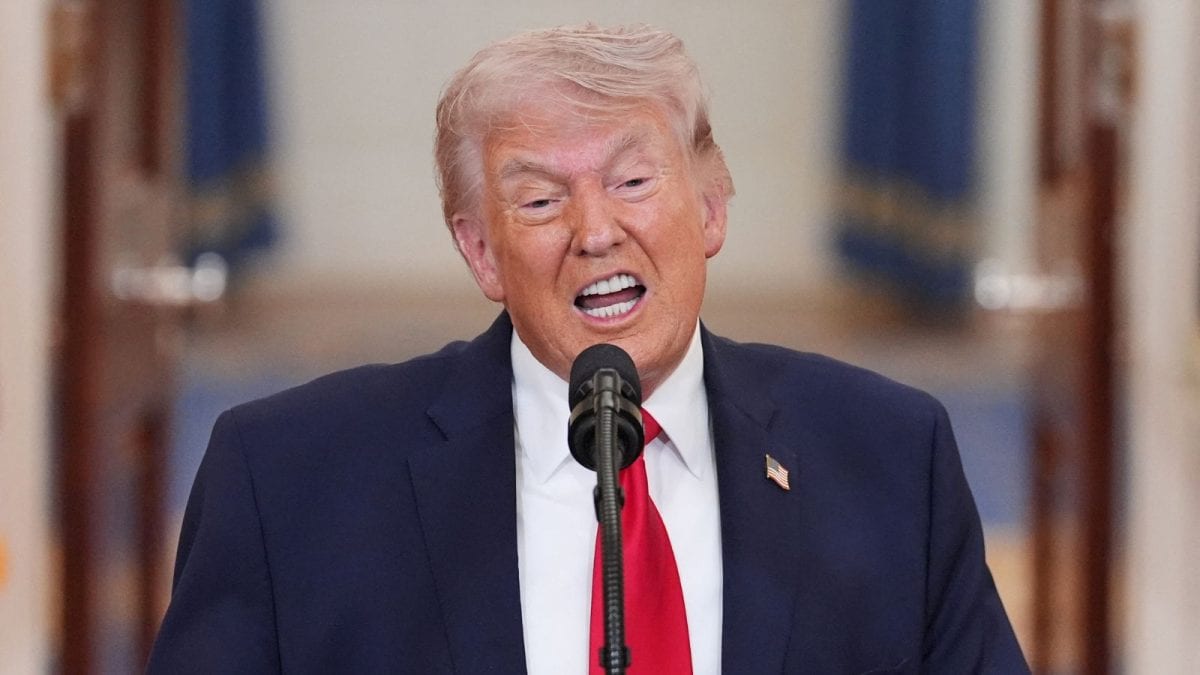
So there I was, standing near the tarmac of Joint Base Andrews, watching the sleek silhouettes of Air Force One and the other aircraft. The air was buzzing with the usual mix of military cadence and the chit‑chat of journalists. As a fellow Indian who had visited the base a few years back for a defense expo, I could feel the same sense of awe and a little nervousness that I felt then. When Donald Trump stepped up to the podium, the crowd’s murmurs quieted down, and I knew something noteworthy was about to happen.
Donald Trump, in his characteristic direct style, began with a quick thank‑you to the crew and then shifted focus to the upcoming diplomatic venture in Islamabad. He didn’t bother with long‑winded preambles; instead, he went straight to the point, which, in my experience, is how a lot of senior officials in New Delhi prefer to communicate.
Donald Trump wishes JD Vance luck for Islamabad talks
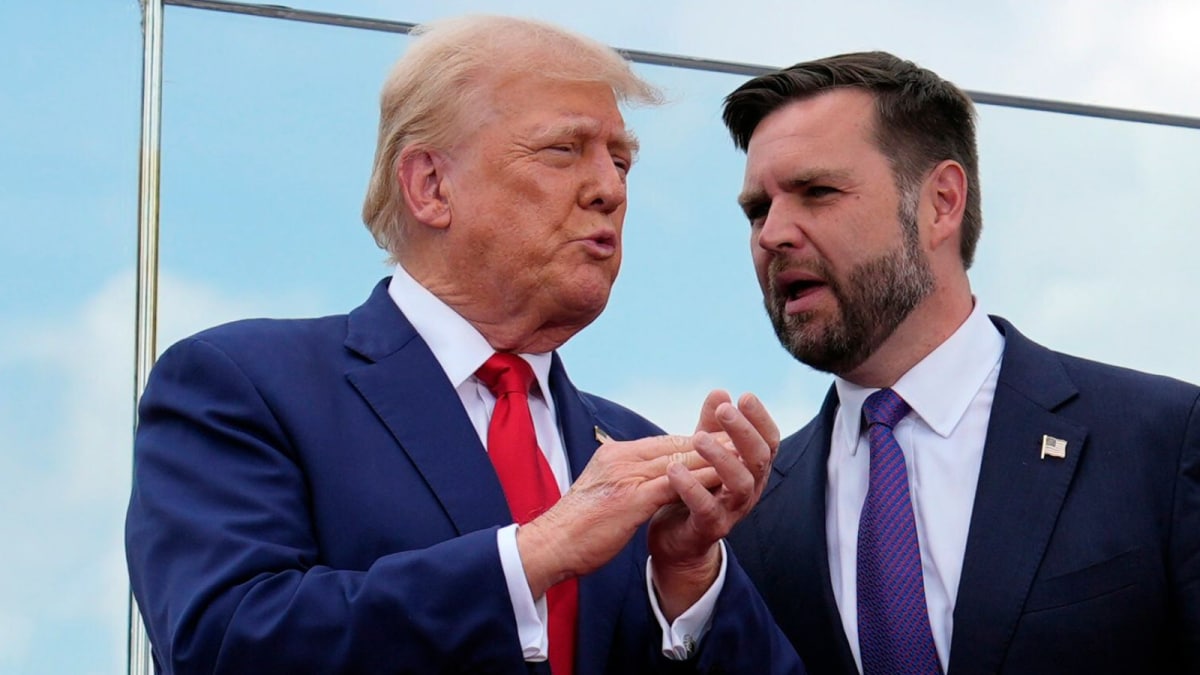
Donald Trump turned his gaze to the delegation that would soon be heading to Pakistan, and specifically highlighted JD Vance, the Vice President of the United States. “I wished him luck. He’s got a big thing,” Donald Trump said, his voice echoing across the open area. I could almost picture the scene as if JD Vance were about to board a train from New Delhi to Kolkata – the anticipation, the baggage, the hope of making something happen.
When Donald Trump mentioned JD Vance’s mission, I thought about how, back home, we often send our senior bureaucrats and politicians to international summits with a mix of confidence and anxiety. The same vibe seemed to be present here – a certain belief that JD Vance could push the dialogue forward, despite the heavy baggage of years of mistrust between the United States and Iran.
What struck me was the simplicity of Donald Trump’s wish. It wasn’t a diplomatic euphemism or a rehearsed line; it was plain, honest, and a little bit of a cheer‑up. In India, when we tell a friend to “good luck” before a big exam, we often add a gentle reminder that “you’ve got this”. Donald Trump’s statement had that same informal yet supportive tone.
“Militarily defeated”: Donald Trump’s blunt assessment of Tehran
After the brief congratulatory words for JD Vance, Donald Trump shifted to a more forceful message about Iran. He said, “We’ll find out what’s going on. They’re militarily defeated.” The declaration sounded as stark as a headline you might read in a Mumbai tabloid. No nuance, just a straightforward verdict.
Listening to that, I recalled how, during the 2000s, Indian newspapers would sometimes use strong language to describe the status of neighboring countries in conflict. The statement felt familiar: a decisive label intended to reassure the domestic audience while also sending a signal to the adversary.
Donald Trump’s choice of words – “militarily defeated” – seemed intended to underscore a belief that Iran’s capacity for armed confrontation had been significantly reduced. It also reflected a narrative that the United States, and by extension its allies, had turned the tide in recent months. The phrase, while stark, fit the dramatic style Donald Trump often adopts in public speeches.
In my mind, I compared this to a cricket commentator’s description of a team’s limp batting after a series of quick wickets – blunt, memorable, and meant to shape the perception of the audience.
Strait of Hormuz: the maritime bottleneck and United States’ confidence
Continuing his remarks, Donald Trump touched upon the blockade of the Strait of Hormuz. He said, “And now we’re going to open up the Gulf with or without them. But that’ll be open.” The Strait of Hormuz, as many of us in India know, is a crucial artery for oil shipments, similar to how the Bombay Port handles a large share of our nation’s imports.
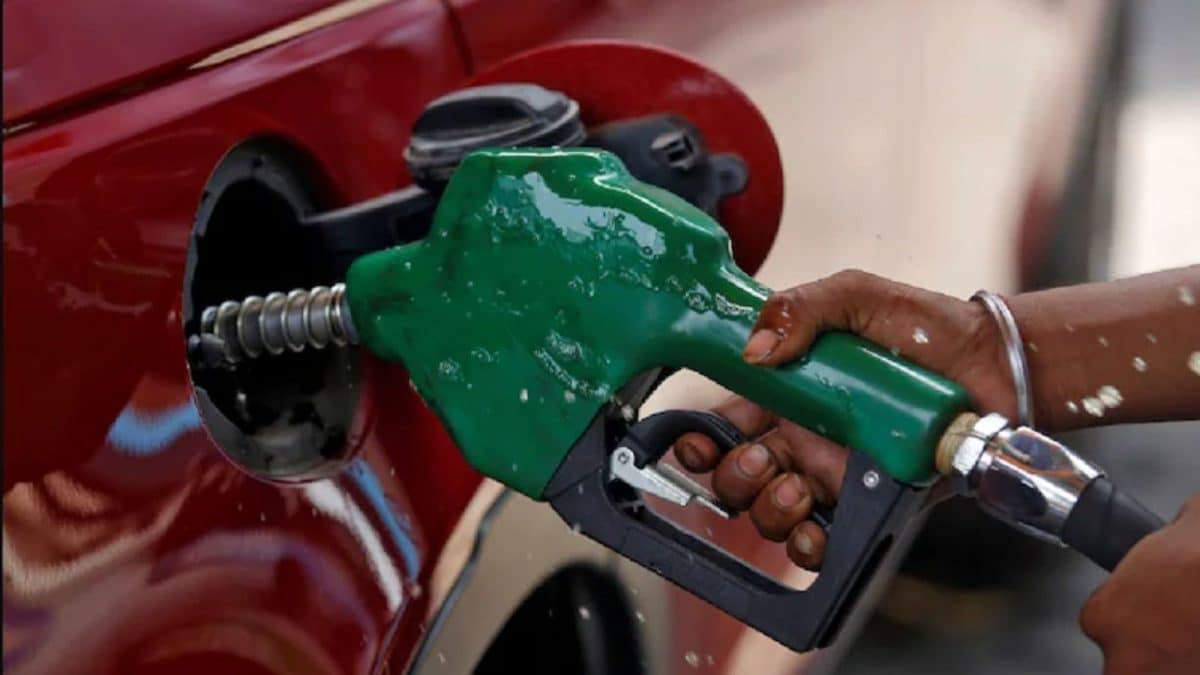
The blockade had caused a ripple effect on global energy prices, and I remembered hearing about fuel price hikes at my local petrol station in Chennai during the same period. The connection between a distant strait and everyday fuel costs made the issue feel personal, even though the geographic distance was vast.
Donald Trump’s confidence that the Gulf would reopen, whether Iran cooperated or not, projected an image of American resolve. It echoed the kind of assurances we sometimes hear from Indian officials when they promise to restore normalcy after a disruption, such as the reopening of a railway line after a landslide.
He painted a picture of a future where the waters would be clear again for merchant vessels, perhaps imagining the same ease that Indian fishermen feel when the seas are calm after a monsoon.
The importance of the Islamabad talks
These talks in Islamabad are set to be the first high‑level engagement between the United States and Iran since the fragile cease‑fire that was announced earlier this week. The significance can’t be overstated. In India, the first meeting after a long standoff – say between two rival Indian states – carries a weight of hope and skepticism both.
Negotiations are expected to focus on three main pillars: Iran’s nuclear programme, the lifting of the blockade in the Strait of Hormuz, and the broader terms of a settlement aimed at ending a war that has cost thousands of lives and shaken markets worldwide. It reminded me of the multi‑layered talks we see back home when the government tries to resolve a dispute that involves security, economics, and public sentiment all at once.
Donald Trump, while speaking, seemed to convey that the United States was ready to move forward regardless of Iran’s immediate response. It felt like an Indian entrepreneur who decides to launch a new product despite market uncertainties – confident that the overall direction will eventually work out.
Personal reflections on diplomatic gestures
Watching Donald Trump’s remarks, I thought about how diplomatic language can be both a tool and a performance. In my own experience, whether I’m discussing a family matter with relatives over a cup of chai or watching a political leader address a crowd, the blend of sincerity and stagecraft is always present.
Donald Trump’s blunt phrasing reminded me of the way Indian politicians sometimes use simple, powerful slogans to cut through the noise. The phrase “militarily defeated” functioned almost like a rallying chant, designed to resonate instantly with the audience.
When Donald Trump wished JD Vance luck, it reminded me of how, before a big exam, a senior student might stop by the library and say, “All the best, you’ll do great.” The gesture, though short, carries a lot of emotional weight, especially when it comes from someone with authority.
And the confidence about the Strait of Hormuz felt similar to the optimism we see when our government announces that a major highway will be completed ahead of schedule – it’s a promise of smoother journeys ahead, even if the roadwork is still ongoing.
Contextual background of the conflict
The conflict that has brought these diplomatic overtures into focus began with a series of strikes by the United States and Israel on Iran in late February. Since then, thousands of lives have been lost, markets have swung wildly, and the global community has been trying to find a pathway back to stability.
From an Indian perspective, it’s akin to a severe monsoon that not only floods a few villages but also disrupts the entire country's economy. The cascading effects compel the government to allocate resources for relief, reconstruction, and ensuring that essential supplies keep flowing.
Donald Trump’s statements, especially the confident note on reopening the Gulf, seek to reassure both domestic and international audiences that the United States is prepared to mitigate the damage and restore order.
Much like how an Indian state chief minister might assure citizens that power will be restored after a blackout, the declaration that the Gulf will be opened “with or without them” is an attempt to project control over the situation.
Looking ahead: What the Islamabad talks could mean
If the Islamabad talks bear fruit, we could see a scenario where the Strait of Hormuz opens up, oil shipments resume normal flow, and Iran’s nuclear ambitions are placed under a mutually aGreeable framework. For many of us living in India, the ripple effect would be lower fuel prices and a steadier supply of petroleum products.
From a geopolitical angle, a successful dialogue could also set a precedent for other regional conflicts, much like how the peace process between two Indian states once inspired similar talks in neighbouring regions.
However, as Donald Trump hinted, the United States is prepared to act regardless of Iran’s immediate cooperation. This stance suggests that diplomatic pressure will be supplemented by readiness to enforce strategic interests, a policy approach not unlike India’s “surgical strike” doctrine where a clear message is sent through decisive action.
In my day‑to‑day life, I can imagine the news headlines changing from “Oil Prices Spike Again” to “Strait of Hormuz Reopens – Markets Stabilise”, which would bring a sigh of relief to many families watching the fuel price board at petrol pumps.
Final thoughts
Leaving Joint Base Andrews, I felt a mix of curiosity and cautious optimism. Donald Trump’s straightforward style, JD Vance’s upcoming mission, and the bold claim that Tehran is “militarily defeated” create a narrative that is both confident and charged with tension.
For an Indian observer, the whole episode feels familiar – a diplomatic dance that blends power plays with genuine hopes for peace, much like the many negotiations we see on the sub‑continental stage.
Whether the Islamabad talks will truly reshape the conflict remains to be seen, but the very fact that such high‑level engagements are happening gives the impression that the world is inching towards a resolution, even if the path is uneven.
As I boarded my own flight back home, I carried with me the image of Donald Trump’s decisive words, the hopeful wish for JD Vance, and the belief that, eventually, the Gulf will open and the world will breathe a little easier.