Parvathy Thiruvothu on resisting blackfacing in Vikram's Thangalaan
Honestly, when I first got the call for Thangalaan back in 2024, my mind went straight to the old days of shooting for Poo in 2008. Back then I was a fresh face in Tamil cinema, and the director asked me to tone my skin a few shades darker. It felt like a harmless makeover, you know, a little makeup magic, and the audience loved it. Fast forward sixteen years, and suddenly I’m being asked to literally black‑face for a role opposite Chiyaan Vikram. That’s when the whole thing hit me like a cold snap on a Chennai morning.
The first conversation with Pa Ranjith
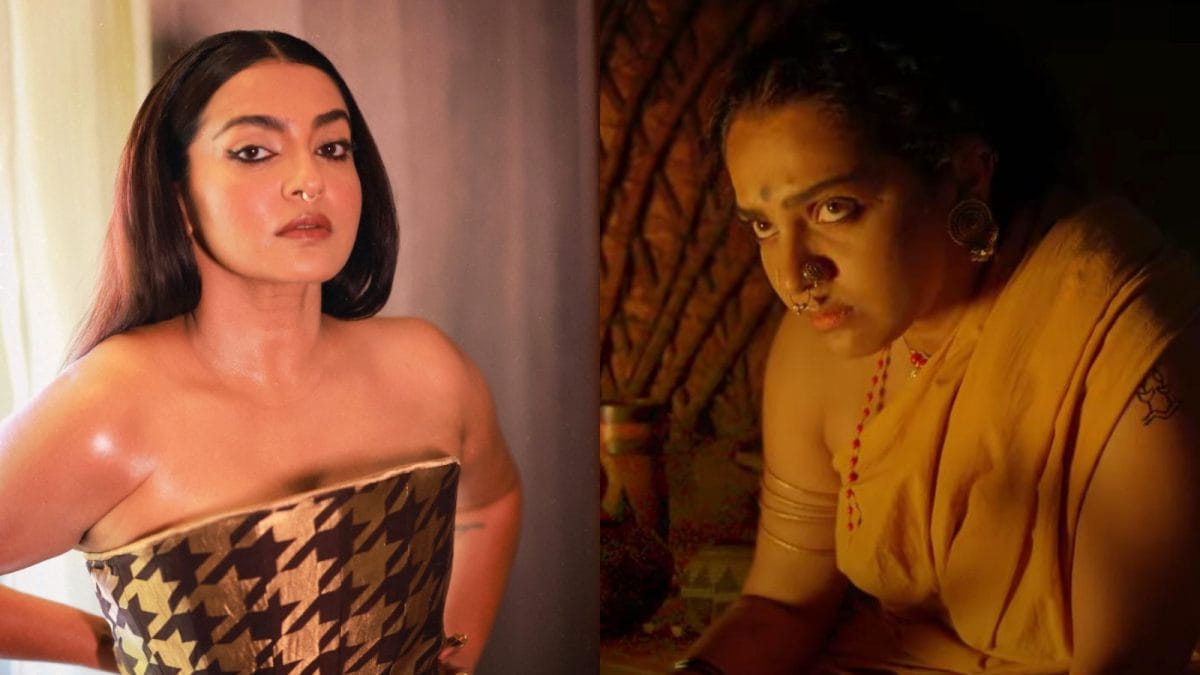
Pa Ranjith, who was steering the ship as the creative head, was the one I called up right after I read the script. I told him, "I’m not going to do blackfacing." He listened, laughed a little – maybe thinking I was being a bit dramatic – but then we started discussing how Gengammal, the character, could be presented. Gengammal works out in the fields all day, so she can be tanned naturally. I suggested, "If I spend two days under the sun, I’ll get that natural sun‑burn. Then we can use makeup to show how her skin would peel after days of exposure, not to create a fake black shade." It felt like a practical solution and also a way to stay true to the geography and weather of the story.
What surprised me was how everyone on set was already prepping for a full‑on blackface. I remember walking through the makeup trailer and seeing the brushes, the dark pigments, and thinking, "Is this really necessary?" I told Pa Ranjith, "If anyone asks why we are doing this, I’ll direct them to you because it’s not my battle to fight, but I can’t stay silent either." He appreciated that I was pointing out a concern without undermining his vision. It was a delicate balance – respecting his artistic direction while staying true to my own growing awareness.
‘Savarna guilt’ and inherited caste privilege
During the chat, I also brought up something that’s been on my mind for a while – the concept of “Savarna guilt”. I come from a background that historically holds caste privilege, and I think it’s important to acknowledge that. I said, “I was born into the Savarna guilt. Pa Ranjith is leading a movement through his films with his own values, and I can’t tell him how to tell his stories. But I can push back where I see something that conflicts with my conscience.” It wasn’t about being confrontational; it was about speaking up because I’ve been given a platform and I feel responsible to use it wisely.
It reminded me of daily life in Kerala, where we sit in a chai stall in Kozhikode and hear heated debates about caste, colour, and representation. The same conversations happen on railway platforms and college canteens. So when I say I’m feeling that inherited guilt, it’s not just a personal feeling – it’s the echo of those larger societal dialogues we have every day.
Learning from the past – the Uroobinte Rachiyamma backlash
Before all this, a few years back, I faced a completely different kind of criticism for my role in Uroobinte Rachiyamma. The original short story describes Rachiyamma as a dark‑skinned woman, but in the film adaptation my look was considerably lighter. I didn’t even realize that at the time; I just trusted the director’s vision and the makeup department.
When the backlash came, I remember recoiling like I had been slapped in the face. There was a panel discussion where two remarkable women held a poster that read, “Whom are you representing when you’re representing a dark woman?” That image stayed with me. I felt a mix of embarrassment and gratitude – embarrassment because I didn’t notice, gratitude because I was forced to confront my own blind spots.
That moment taught me that protesting is one thing, but when it’s directed at you, it truly hurts. It’s not about being the center of the universe; it’s about being part of a larger conversation. I learned to listen more, to read the source material carefully, and to think about the lived experiences of the characters I’m portraying.
From makeup to authenticity – how the industry is changing
Looking back, the journey from Poo to Thangalaan feels like a textbook case of the Indian film industry’s evolution, albeit with a lot of messy, human moments. In Poo, the makeup team used a few shades of darkening cream to give my skin a tanned look, which was accepted by the audience then. Today, there is a far more critical eye on colourism, thanks to activists, social media, and of course, the younger generation demanding authenticity.
On set, I now ask the makeup artists to consider the character’s environment. If Gengammal is a field worker, I spend two days under the sun, get that natural tan, and then they add subtle shading to mimic the sun‑baked texture rather than covering me in a flat, artificial black hue. It might seem like a small tweak, but it respects both the character’s reality and the audience’s sensitivity.
These changes are noticeable when you walk through a street market in Chennai or the lanes of Trivandrum. You see posters that celebrate diversity of skin tones, and even the local tea stall owners cheer when a film showcases a realistic depiction of labourers. That’s the kind of shift I’m hopeful for.
Personal reflections – why I keep speaking up
Honestly, I keep coming back to that simple belief: when you know better, you do better. It’s not just about an apology; it’s about changing practices. I’ve been asked many times, “What will you do if the director insists?” My answer stays the same – I’ll discuss alternatives, I’ll show them a different approach, and if they still push, I’ll consider walking away. That’s why I felt comfortable talking to Pa Ranjith. He respects my viewpoint, and I respect his cinematic vision.
My own awareness grew because I was questioned publicly. The moment people called me out for Rachiyamma, it forced me to look inside. I realize now that many actors – especially those from privileged backgrounds – might not even see the colour bias because it never affected them directly. The first time I realised this was when a friend from a smaller town in Karnataka asked me why dark‑skinned characters were always side‑kicks. That question lingered, and I started paying attention.
In the end, I think it’s about being honest with yourself. I’m not perfect. I have made mistakes, and I will probably make more in the future. But if each mistake leads to a conversation, then perhaps it’s a step forward. And as an actor, my job is to tell stories that reflect real lives – not just the sanitized, colour‑filtered versions that have been the norm for decades.
Looking ahead – a hopeful vision for Indian cinema
When I sit in a park in Delhi, watching kids play cricket on the dusty ground, I see faces of all shades, laughing and running. That's the India I want to see on screen – a true mosaic, not a monochrome painting. I hope more directors, producers, and casting teams will think beyond the traditional makeup kits and start consulting with community members, historians, and the very people they aim to represent.
To my fellow actors, especially those who may be early in their careers, my advice is simple: stay curious, ask questions, and don’t be afraid to say "No" when something feels off. Those moments of pushback, like I experienced with Pa Ranjith or during the Rachiyamma controversy, are not setbacks – they’re opportunities to refine our craft and our conscience.
So, that’s where I stand today. I’m still learning, still growing, still apologising where needed, and still hoping that the next film I do will be judged not for the colour of my skin but for the truth it brings to the screen.