Why Chandivali Became the Centre of a National Debate
Honestly, when I first heard about the re‑examination plan, I thought it was just another routine check. But as the story unfolded on the latest news India, it turned into something much bigger. It’s not every day that we hear about a court‑ordered recount of electronic votes in India. In fact, this is the first time the Election Commission of India (ECI) has aGreed to re‑examine votes that were originally recorded on EVMs and VVPATs. That alone made it breaking news for many of us who keep a close eye on how our democracy works.
And the whole thing started because of a petition filed by Congress leader Naseem Khan. He claimed the machines were tampered with and not programmed correctly. That allegation sparked a series of legal battles, which finally led the Bombay High Court to intervene and order a fresh inspection. In most cases, such disputes are settled quietly, but here the whole process was thrust into the limelight, becoming trending news India and even going viral on social media platforms.
How the Petition Came About
Let me walk you through what prompted the petition. After the votes were counted, Shiv Sena leader Dilip Bhausaheb Lande emerged as the winner with a sizable lead, while Congress candidate Naseem Khan came second. The margin was enough to raise eyebrows, especially among Congress supporters who felt the count wasn’t reflecting the ground reality. Naseem Khan, feeling that the electronic system might have been compromised, decided to take formal action.
Back in November, Naseem Khan actually paid the required petition fees and formally requested a recount. However, the process got stuck waiting for the High Court’s clearance. Imagine waiting for weeks, checking your phone every few minutes for any update on a case that could change your political future that’s the kind of suspense many of us felt watching the story develop, especially when it started appearing in the breaking news sections of our preferred news portals.
The Court’s Decision and What It Means
The Bombay High Court eventually gave the Green light, ordering that the EVM‑VVPAT machines for Chandivali be re‑examined. What’s interesting here is that the court didn’t just say “re‑count” in the traditional sense; it mandated a thorough technical inspection, something that has never been done before for any constituency in India. This makes it a historic moment for the ECI, and many political analysts are now calling it a potential game‑changer for how election disputes might be handled in the future.
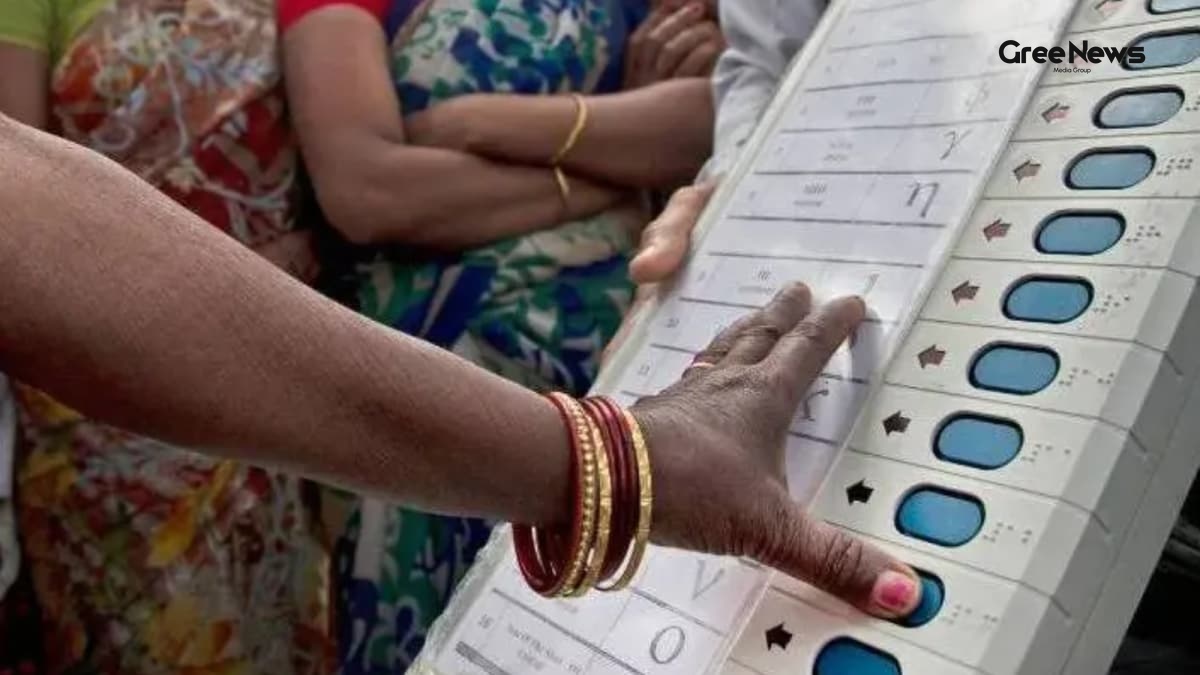
Under the order, a team of engineers will be deployed to oversee the whole process. They’ll examine the EVMs and the VVPAT slips to verify whether the original count was accurate. The inspection is scheduled to start early in the morning, and it will be carried out under strict supervision. The whole procedure is being watched closely by both parties, because the outcome could either reinforce confidence in the electronic voting system or fuel further demands for reforms.
Understanding the Re‑examination Process
Now, you might wonder what a re‑examination actually entails. Basically, the engineers will first check the integrity of the EVM hardware, ensuring that no tampering has occurred. Then they’ll compare the electronic tally with the printed VVPAT records. If there’s any discrepancy, they’ll report it to the ECI, which may then decide on further action possibly even a fresh count.
From what I’ve gathered, this is not a simple ‘press a button and see the numbers again’ situation. The machines are sealed, and any opening of the seal is documented meticulously. The process also involves cross‑checking the cryptographic logs that record each vote. It’s a very technical exercise, and that’s why the ECI has brought in specialist engineers. The whole thing will be done in the presence of party representatives, ensuring transparency something that many voters across India have been demanding for years.
Political Reactions: From the Ground Level to the Capital
What caught people’s attention was the reaction from both parties. Dilip Bhausaheb Lande, the winner, has been fairly calm, but his party workers have been vocal about supporting the EC’s decision, saying it shows confidence in the system. On the other hand, Congress supporters have been more skeptical. They argue that the re‑examination itself proves there were doubts about the original count.
In most cases, parties tend to downplay such events to avoid stirring up public unrest. But here, you could see a lot of heated discussions on social media, with hashtags related to “EVM recount” and “Chandivali vote” trending in the viral news space. Even ordinary voters from nearby neighborhoods were seen gathering near the ECI office, hoping to get a glimpse of the process. That kind of public interest is something you rarely see unless there’s an allegation of fraud or a major political upset.
What This Means for Voters Across India
From a citizen’s perspective, this whole episode brings a mix of relief and anxiety. On one hand, the fact that the court stepped in and ordered a technical audit can be seen as a win for transparency. It shows that the judicial system is willing to intervene when there are serious questions about the electoral process. On the other hand, the re‑examination also revives discussions about the reliability of EVMs, a topic that has been controversial for years.
For many of my friends, especially those who live in Maharashtra’s suburban areas, the Chandivali re‑examination has become a talking point at tea stalls and during family gatherings. It’s not just about one constituency; it’s about the larger narrative of how Indian democracy evolves. If the re‑examination turns out clean, it could boost public confidence ahead of the next state and national elections. If not, it could spark further calls for a paper‑based voting system, something that activists have been demanding for a long time.
Looking Ahead: Potential Impact on Future Elections
Many political analysts believe that this re‑examination could set a legal precedent. Imagine a scenario where, in the next election, a candidate alleges irregularities and the court orders a similar audit. That could become a regular part of the post‑election process. It might also push the Election Commission to strengthen its internal checks, perhaps even upgrading the software that runs the EVMs.
There’s also a chance that the ECI could decide to make the re‑examination process more transparent by allowing live streaming or broadcasting of the inspection. That would be a massive step toward building trust among the electorate, especially in regions where doubts about the voting system are more prevalent.
However, we must also consider the logistical challenges. Conducting a thorough technical audit takes time, resources, and expertise. If every close contest leads to a re‑examination, the system could become overwhelmed. That’s why many suggest that the court‑ordered re‑examinations should be reserved for cases where there is compelling evidence of possible tampering, rather than being used as a routine political tool.
Personal Takeaway: Why I Keep Following This Story
Honestly, I’m not a political junkie, but when I saw the news about Chandivali’s EVM re‑examination on my phone, it felt personal. The idea that the very machines that register our votes could be re‑checked made me pause and think about the importance of each vote we cast. It reminded me of the first time I voted in a college election, where the process was entirely manual, and the excitement of holding the ballot paper in my hand.
Now, with electronic machines, the process feels more distant. This story pulled me back into that feeling of being a participant in the democratic process, not just a spectator. It also made me realize how crucial it is for the electoral system to be both robust and transparent. That’s why I’m following the updates closely, and I hope many of you reading this feel the same curiosity about how our democracy works at the ground level.