Footballer Frustrated by Game’s Approach to Suicide Prevention
Oxford United midfielder and former Wales international Will Vaulks has spent a year urging clubs across England to adopt a structured suicide‑prevention training programme, highlighting the urgent need for mental‑health support in professional sport.
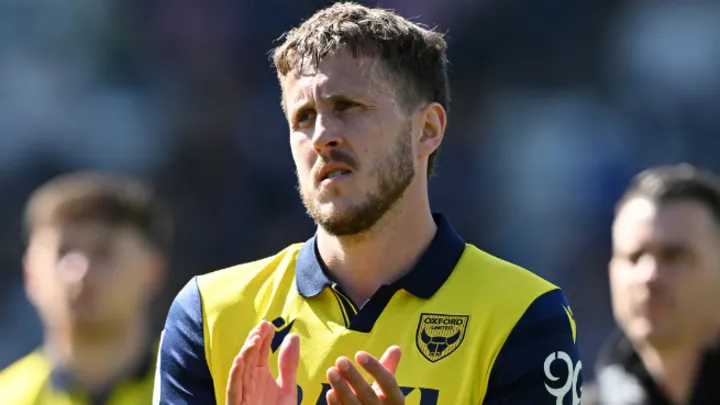
Advocacy Within the Football Community
Will Vaulks has spoken publicly about the belief that the footballing community is not doing enough work on suicide prevention. In the role of campaign lead for Oxford United’s “Can We Talk?” initiative, Will Vaulks has placed mental‑health awareness at the centre of the club’s internal culture.
The effort has earned Will Vaulks a nomination for the English Football League Community Player of the Season award. In the preceding season, Will Vaulks received the Fifpro Players Voice award in recognition of the same advocacy work. Both recognitions underscore the impact of the campaign on a national level.
Goal: Universal Adoption of Training Across England
Will Vaulks has spent the past twelve months attempting to persuade every club in England to sign up for a specialised suicide‑prevention training scheme. The journey has been described by Will Vaulks as proving hard, with many clubs yet to commit to the programme.
Will Vaulks emphasises that the ambition is for each and every football club to implement the training. The rationale is clear: both players and staff operate within a high‑pressure environment that can exacerbate mental‑health struggles. Will Vaulks states, "I want every single football club to have it – the players need support, the staff need support. It is a high pressure environment."
Will Vaulks acknowledges the love for the sport and the fun it provides, yet also recognises the weight that the game carries for those involved. "We love football and it’s fun to play, but it’s a big thing as well," Will Vaulks explains.
Personal Tragedies Fueling the Campaign
Will Vaulks’ dedication to suicide prevention is deeply personal. Within a single year, Will Vaulks lost both grandfathers to suicide. The compounded grief experienced by Will Vaulks created an intimate understanding of the devastating effects of suicide on families.
Additional tragedies have struck the Oxford United community. The club lost its legend Joey Beauchamp to suicide, and a young supporter named Jack Badger also died by suicide in recent years. These losses have reinforced Will Vaulks’ resolve to lead the club’s mental‑health campaign.
Partnership with Baton of Hope
Oxford United has formed a partnership with the charity Baton of Hope. Through this collaboration, Oxford United now delivers in‑house, personalised suicide‑prevention training to all players and staff. The training is crafted to address the unique pressures faced by professional athletes and the support personnel surrounding them.
Will Vaulks notes that while it may not always be possible to have a player who has experienced bereavement by suicide willing to speak publicly, the core elements of prevention and awareness can be incorporated into any workplace setting. "You might not always have a player who’s been bereaved by suicide that’s willing to speak, but in terms of prevention and awareness, that can be put into every workplace," Will Vaulks says.
Call to Action for English Clubs
Will Vaulks urges football clubs across England to recognise that suicide prevention resources are available and that implementation is straightforward. The message is clear: clubs have a responsibility to protect the wellbeing of the young men and women under their care.
Will Vaulks asserts, "I want football clubs to realise that it’s out there, we can support you, we can put into place what we’ve done at Oxford and actually you have a responsibility to do it." The emphasis is placed on proactive measures rather than reactive responses after tragedies occur.
Will Vaulks adds, "You’ve got young men and women in your care that there currently is not enough support for – you need to be doing it." By highlighting the existing gaps in support, Will Vaulks encourages clubs to take immediate steps toward safeguarding mental health.
The final appeal from Will Vaulks is straightforward: acknowledge the existing success of programmes like the one at Oxford United, adopt them, and create a unified front against suicide within football. "Everyone’s all well and good sharing these things and saying ‘oh, that’s really good what you’ve been doing there’ – do it then, because you really can, it’s simple," Will Vaulks concludes.