Iran Claims a Stockpile of 15,000 Missiles and Over 45,000 Drones, Asserts Strategic Advantage Over US
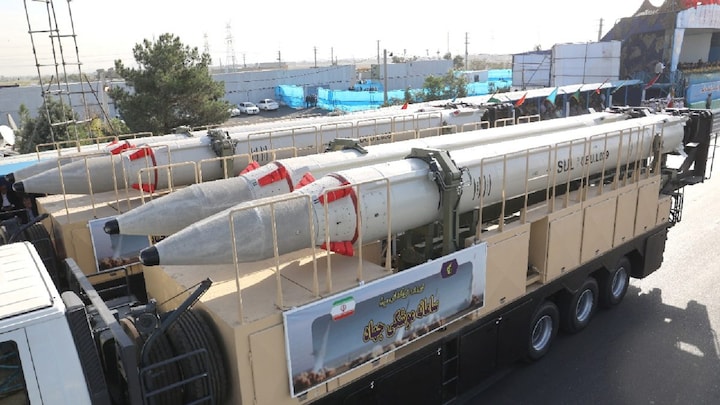
US intelligence reports suggest only partial degradation as Iran continues to exert pressure with missiles and drones.
Iranian Officials Communicate Confidence to Pakistani Mediators
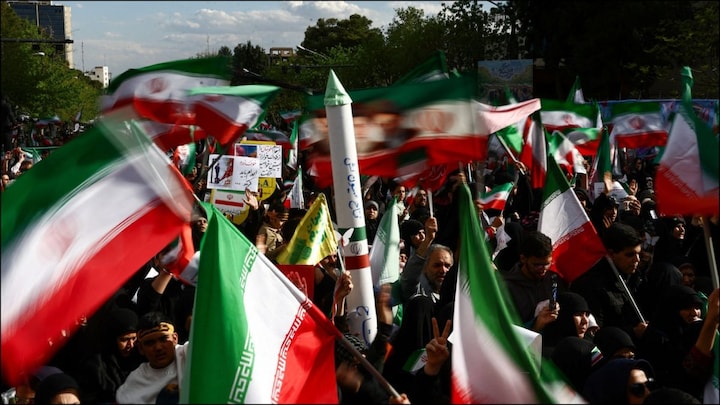
Iranian officials told Pakistani mediators that Iran believed Tehran was gaining the upper hand in the conflict with US and Israel, and that Iran retained an arsenal comprising 15,000 missiles and 45,000 drones.
The Wall Street Journal, which first disclosed the development, reported that Iran was adhering to a hard‑line posture in the negotiations and displayed no indication of retreat.
Pakistani mediators conveyed to The Wall Journal that the figures cited by Iran were likely inflated, yet the mediators acknowledged that the claim reflected Iran’s unwavering stance in the talks.
US Leadership Issues Stark Warning
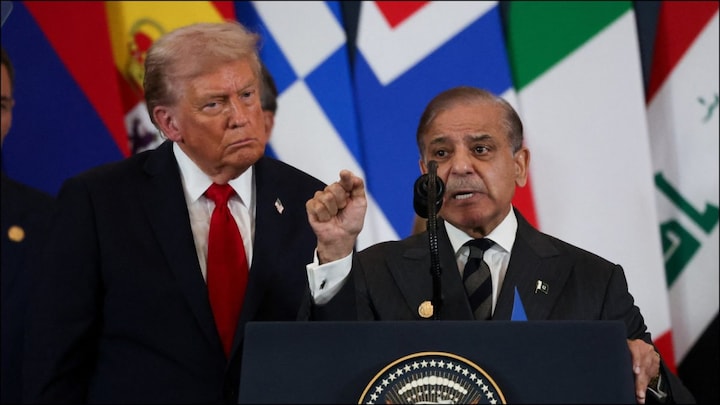
Donald Trump warned that a whole civilization would face annihilation in Iran if Iran did not comply with the ultimatum delivered by Donald Trump.
The warning followed a series of joint strikes conducted by US and Israel, which ignited a spiralling confrontation across West Asia.
Donald Trump repeatedly asserted that Iran’s missile capabilities had been severely degraded or effectively neutralised.
Intelligence Assessments Paint a More Nuanced Picture
Intelligence assessments emerging from Washington indicate that after more than a month of sustained strikes, only about a third of Iran’s missile and drone stockpile has been destroyed.
A Gree report, citing multiple sources familiar with US intelligence, suggested that another third of the stockpile is believed to be damaged or temporarily inaccessible, concealed deep within underground tunnels and fortified bunkers.
The remaining portion, while more difficult to deploy quickly, still represents a significant operational reserve for Iran.
The overall picture that emerges is not one of a dismantled arsenal, but rather a degraded yet intact capability. This assessment contradicts Donald Trump’s claim that Tehran possessed very few rockets left, as well as statements from other US officials that the war had effectively eliminated Iran’s ballistic missile capabilities.
Continued Operational Activity by Iran
Even as components of the stockpile have been struck, Iran has continued to launch ballistic missiles and drones across the region, targeting Israel and key energy infrastructure in the Gulf.
Iran’s sustained launch activity underscores the resilience of the missile and drone force, despite the damage inflicted by the joint US‑Israel campaign.
Analysts note that the ability to conceal portions of the arsenal within hardened underground facilities has allowed Iran to preserve a reserve that can be brought to bear when strategic conditions permit.
Strategic Implications for US and Regional Actors
The partial degradation of Iran’s missile and drone capabilities suggests that US and Israel may need to adjust operational expectations regarding the speed and scale at which Iran can respond to further strikes.
At the same time, Iran’s public declaration of a substantial remaining stockpile serves a dual purpose: it signals deterrence to US and Israel while bolstering domestic morale and reinforcing the narrative of resilience.
The dynamic creates a delicate balance in which both sides calibrate their actions based on credible assessments of remaining capabilities rather than inflated rhetoric.
Assessment of the Negotiation Landscape
The communication between Iranian officials and Pakistani mediators, framed around the numbers 15,000 missiles and 45,000 drones, reflects a strategic messaging effort aimed at influencing the negotiation climate.
By asserting a robust inventory, Iran appears to be positioning itself to extract concessions or to negotiate from a stance of perceived strength.
Pakistani mediators, acknowledging the possibility of exaggeration, nevertheless conveyed the importance of those figures as an indicator of Iran’s resolve.
Media Reporting and Narrative Construction
The Wall Street Journal’s coverage of the incident highlighted Iran’s hard‑line posture and the divergent assessments between Iranian officials and US intelligence.
Media narratives have oscillated between portraying Iran as a waning threat and depicting Iran as a resilient actor capable of sustaining a formidable missile and drone force.
This dichotomy underscores the role of information in shaping public perception and policy decisions on both sides of the conflict.
Conclusion: A Persistent, Though Diminished, Arsenal
All available evidence points to a scenario in which Iran’s missile and drone capabilities have suffered measurable damage, yet a substantial portion of the arsenal remains operational.
The persistence of a sizeable reserve, combined with Iran’s willingness to publicly assert its strength, suggests that the strategic calculus for US, Israel, and regional stakeholders must account for both degraded capacity and the potential for rapid regeneration from concealed stores.
Future developments will likely hinge on how effectively US and Israel can further degrade the concealed reserves and how Iran chooses to integrate remaining assets into its broader deterrence strategy.