Iran’s Supreme Leader Commands Complete Ceasefire After United States Ceasefire Understanding, Warns Conflict Not Concluded
Iran orders every military component to cease fire following a ceasefire understanding with the United States, while emphasizing that the pause in hostilities is conditional and the war has not reached a final end.
Ceasefire Directive Issued by Iran’s Supreme Leader
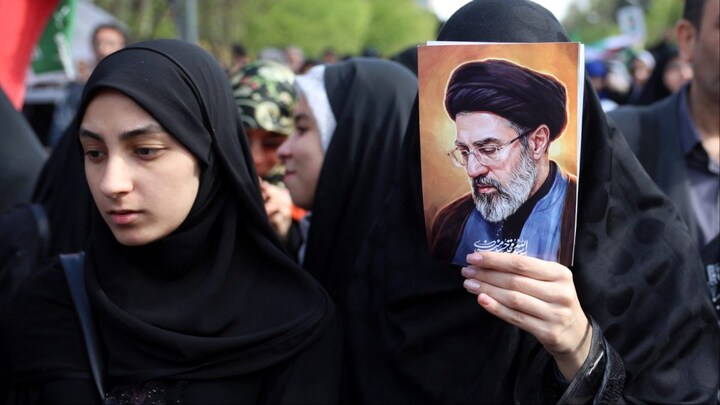
Iran’s Supreme Leader issued a formal order for every Iranian military unit to cease fire following a public statement that announced a ceasefire understanding between the United States and Iran. The broadcast of the directive occurred on the state‑run television network IRIB, and the content of the announcement was later confirmed by an international news outlet.
The directive was read on IRIB approximately two hours after United States President Donald Trump announced that Washington and Tehran had come to an aGreement on a two‑week ceasefire intended to lay the groundwork for a broader diplomatic settlement. Iran’s Supreme Leader explicitly instructed that all branches of the Iranian armed forces comply with the order without exception.
In the televised statement, Iran’s Supreme Leader emphasized that the cessation of fire does not represent the conclusion of the conflict. The language used by Iran’s Supreme Leader highlighted that the pause in hostilities is directly linked to the progress of ongoing negotiations and that any resumption of combat remains possible should the negotiations falter.
Iran’s Supreme Leader’s proclamation thus created a clear conditional framework: Iranian armed forces are to hold fire while diplomatic efforts advance, but Iran’s Supreme Leader also warned that the conflict will persist until all stated objectives are fully satisfied.
Strategic Assessment by Iran’s Supreme National Security Council
Statements attributed to Iran’s Supreme National Security Council conveyed that Iran views the current phase of the conflict as a strategic success. Iran’s Supreme National Security Council asserted that the majority of the war’s original objectives have been achieved, signaling a substantial shift in Tehran’s assessment of the conflict’s trajectory.
According to the statements from Iran’s Supreme National Security Council, the conflict lasted for a period of forty days, during which Iran pursued a series of political and security goals designed to compel regional actors to accept Tehran’s broader demands. Iran’s Supreme National Security Council noted that the primary objectives included securing concessions on regional security structures, obtaining relief from sanctions, and extracting frozen Iranian financial assets held abroad.
Iran’s Supreme National Security Council further explained that earlier deadlines imposed by United States President Donald Trump were rejected by Iran because Iran does not accept externally imposed timelines. Iran’s Supreme National Security Council reiterated that Iran will continue military engagement until all stated objectives are fully realized, regardless of external pressure.
Reports cited by a regional news agency indicated that Iran’s authorities described the ceasefire framework as a major political victory. Iran’s authorities claimed that the United States accepted the foundation of Tehran’s ten‑point plan, which includes provisions for sanctions relief and the release of frozen Iranian assets abroad.
Iran’s authorities also stressed that diplomatic negotiations do not automatically signal the end of hostilities. Iran’s authorities warned that if the negotiations fail to secure the aGreed‑upon terms, Iran reserves the right to resume military operations.
Negotiations Planned in Islamabad
According to statements from Iranian officials, the forthcoming negotiations between Tehran and Washington are scheduled to occur in Islamabad and are expected to last for up to two weeks. The purpose of the Islamabad talks is to finalize the specific terms of a potential aGreement that would translate the ceasefire understanding into a concrete, enforceable settlement.
Iran’s officials emphasized that the Islamabad negotiations will be conducted strictly within the framework of Tehran’s ten‑article proposal. The proposal reportedly contains provisions related to regional security mechanisms, comprehensive sanctions removal, and formal recognition of Iran’s geopolitical role in the Middle East.
Key elements of the ten‑article proposal include regulated passage through the Strait of Hormuz, the withdrawal of United States combat forces from the region, the release of Iranian financial assets held abroad, and the formal acknowledgment of the negotiated settlement by the international community.
Iran’s officials also indicated a desire for the aGreement to be endorsed by a binding United Nations Security Council resolution. Such a resolution, according to Iran’s officials, would convert the negotiated provisions into binding international obligations, thereby ensuring durability and legal enforceability.
United States President Donald Trump Adjusts Military Posture
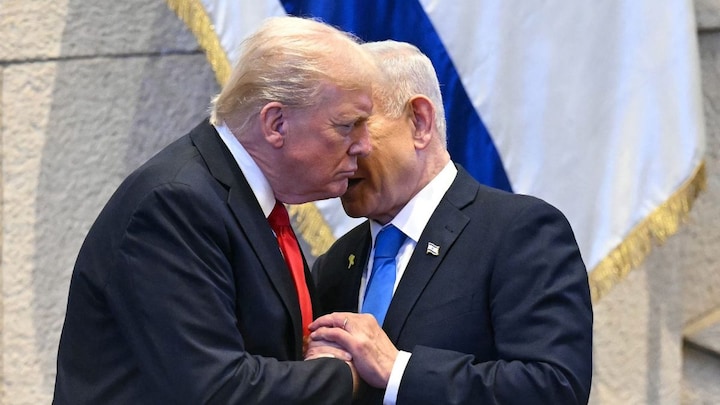
United States President Donald Trump reversed earlier threats to launch extensive strikes against Iranian infrastructure just hours before a deadline that United States President Donald Trump had set for Tehran to meet United States demands. United States President Donald Trump announced that he would hold off on potential attacks against Iranian bridges and power plants after observing progress toward a workable peace framework.
The decision by United States President Donald Trump to suspend the threatened strikes reflects a shift in United States strategy, moving from a punitive stance to a more diplomatic posture aimed at securing a lasting ceasefire. United States President Donald Trump’s reassessment was presented as a response to the positive momentum generated by the ceasefire understanding.
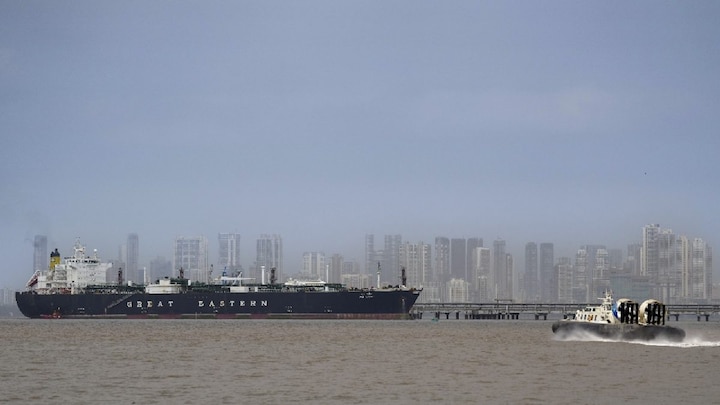
The proposed ceasefire aGreement includes a provision to reopen the Strait of Hormuz, a vital global energy corridor that has been disrupted since the conflict began earlier in the year. The reopening of the Strait of Hormuz is expected to restore a key artery for global oil transport, thus alleviating the economic strain caused by the disruption.
Pakistan’s leadership played a mediating role by facilitating communication channels between the United States and Iran. Prime Minister Shehbaz Sharif of Pakistan urged both parties to allow sufficient time for diplomatic progress and to avoid actions that could jeopardize the emerging framework.
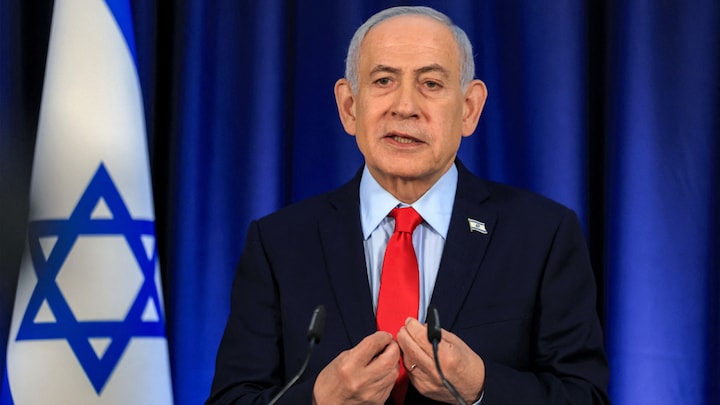
According to a news agency, Israel also aGreed to the ceasefire framework, although Israeli officials continue to express concerns about whether the aGreement adequately addresses Israel’s strategic interests.
Strait of Hormuz Provisions and Regional Management
Future management of the Strait of Hormuz emerged as a cornerstone of the proposed aGreement. Iranian Foreign Minister Abbas Araghchi indicated that navigation through the strategic waterway could continue under Iranian military management, ensuring security for commercial shipping while maintaining Iranian oversight.
A regional official, cited by a news agency, explained that Iran and Oman could jointly collect transit fees from vessels traversing the Strait of Hormuz. The collected revenues would potentially be allocated toward reconstruction initiatives in the region, thereby linking economic benefits to the stabilization of maritime traffic.
Iran’s broader demands for ending the war encompass the removal of sanctions, the release of frozen Iranian assets, and the withdrawal of United States forces from regional bases. These demands are intended to restore Iran’s economic sovereignty and to redefine the security architecture of the Persian Gulf.
The Strait of Hormuz remains a critical artery for global oil supply, and its status is central to the economic and geopolitical dimensions of the conflict. The proposed arrangement for Iranian military management of the strait seeks to balance security concerns with the need for uninterrupted commercial flow.
Continuing Hostilities Amid Diplomatic Push
Despite the formal announcement of the ceasefire, reports indicated that missile alerts and isolated attacks continued across parts of the Gulf region. Alerts were recorded in the United Arab Emirates, Saudi Arabia, Bahrain, and Kuwait even as diplomatic negotiations appeared to advance in Islamabad.
According to a news agency, United States military operations have transitioned to a defensive posture, focusing on protecting United States interests while refraining from initiating new offensive actions. At the same time, Israeli strikes targeting infrastructure linked to Iranian interests persisted during the same period.
The conflict, which began earlier in the year, has resulted in significant casualties across Iran, Israel, Lebanon, and other affected areas. The human toll underscores the urgency of diplomatic efforts and the high stakes associated with a prolonged military engagement.
Iran’s Supreme Leader’s ceasefire order, coupled with the ongoing diplomatic dialogues, creates a complex environment in which military actions and diplomatic negotiations intersect. The balance between maintaining a conditional pause in hostilities and preserving the leverage needed for successful negotiations remains delicate.
International Reactions and Outlook
International observers have highlighted the significance of the ceasefire understanding as a potential turning point in the broader conflict. The involvement of Pakistan as a mediator, the willingness of Israel to engage with the framework, and the shift in United States President Donald Trump’s tactical approach collectively indicate a multifaceted effort to de‑escalate tensions.
Experts note that the success of the ceasefire hinges on the ability of all parties to adhere to the conditional terms set forth by Iran’s Supreme Leader and the United States. The requirement for a binding United Nations Security Council resolution, as advocated by Iran’s officials, adds an additional layer of international legitimacy that could solidify the aGreement.The upcoming two‑week negotiation period in Islamabad will test the durability of the ceasefire understanding. If the negotiations produce a comprehensive settlement that satisfies Iran’s objectives, including sanctions relief, asset release, and security guarantees, the likelihood of a sustained peace increases markedly.
Conversely, any breakdown in the Islamabad talks could revive active combat operations, as warned repeatedly by Iran’s Supreme Leader. The conditional nature of the ceasefire therefore remains a central factor in assessing the trajectory of the conflict.
In summary, the ceasefire directive issued by Iran’s Supreme Leader, the strategic assessments from Iran’s Supreme National Security Council, the diplomatic engagements planned for Islamabad, the adjusted posture of United States President Donald Trump, and the detailed provisions concerning the Strait of Hormuz collectively shape a complex and evolving landscape. The coming weeks will determine whether the current pause evolves into a lasting peace or whether hostilities will resume under new conditions.